Navy Sailor Jumps From Aircraft Carrier After Months Of Exhaustion
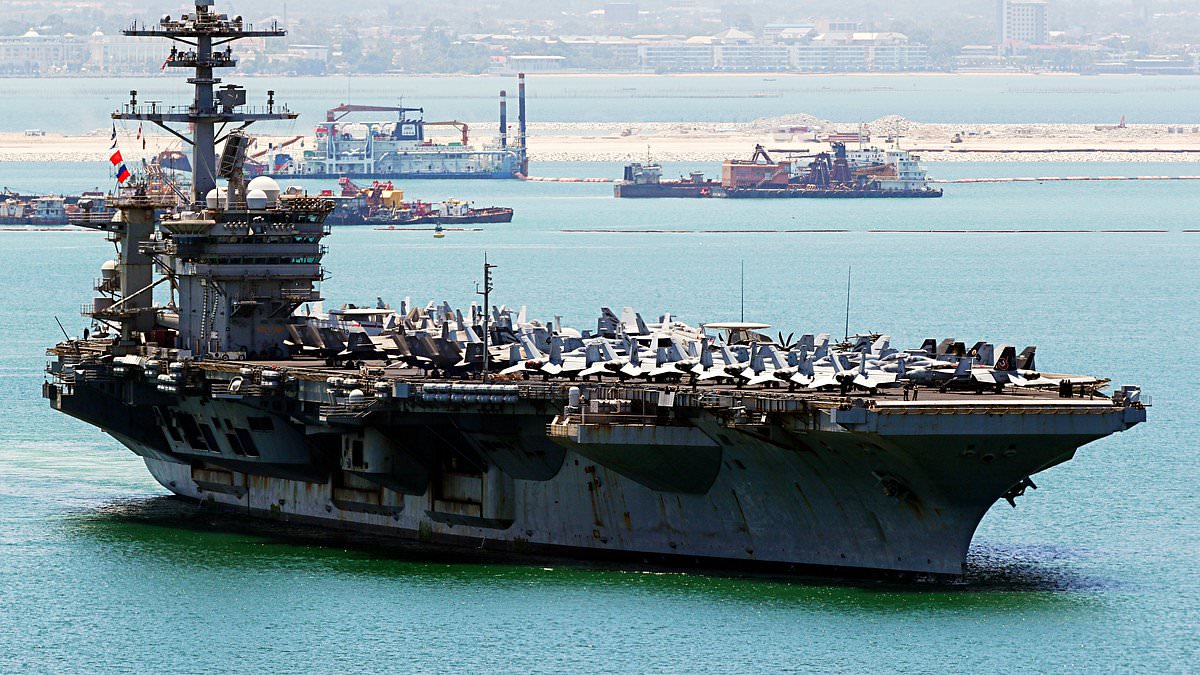
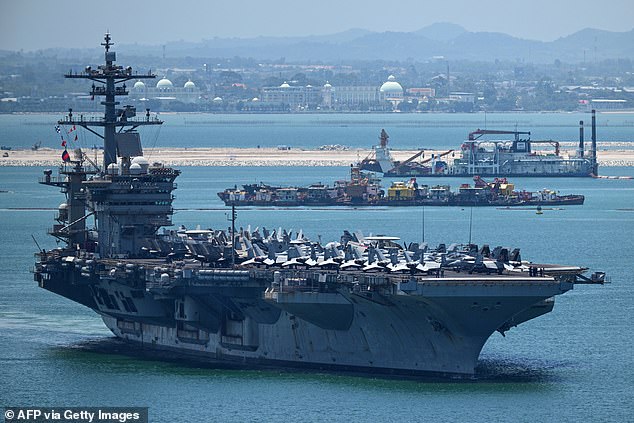
A nineteen-year-old Navy sailor jumped sixty-seven feet from the USS Abraham Lincoln into the water off the coast of Iran on August 3. He was a married father of two, an aircraft mechanic who had spent months enduring punishing shifts and total separation from his family. Before he leaped, he texted his wife with a raw warning that the grueling deployment was finally breaking him. The message read simply: 'the boat is finally getting to me.'
He survived forty-five minutes in the sea before rescuers found him. Now he faces Navy disciplinary proceedings for the act itself. His wife says her husband told her repeatedly that he was depressed, exhausted, and fighting suicidal thoughts. She is furious at the military for punishing a man she believes desperately needed help instead of offering treatment.

The story just got much heavier after Acting Navy Secretary Hung Cao revealed that eight sailors across the Lincoln Carrier Strike Group attempted suicide during this Iran war deployment. No sailors died by their own hand in these incidents, but the ship has now been at sea for more than three hundred days. Conditions have worsened as the carrier diverted to the Middle East.
The young sailor was still wearing his boots and standard-issue float coat when he sprinted across the flight deck and hurled himself into the ocean below. An officer-of-the-deck memorandum noted waves were around five feet high. Given the water temperature, survival time was estimated at just fifteen minutes. He stayed in the cold water three times as long before a helicopter crew finally reached him.
His wife learned what happened not from Navy officials but from one of her husband's squadron mates. She claims nearly five days passed before the Navy formally notified her. Charging documents reviewed by MS NOW show he initially faced accusations of malingering, which means intentionally faking illness or injuring oneself to escape military duty and being absent without leave.
Acting Navy Secretary Hung Cao confirmed these attempts in a letter written Tuesday. He has been nominated for the full-time position by Donald Trump. Weeks earlier, after months of punishing shifts, his messages home had become increasingly troubling as the deployment dragged on with seemingly no end in sight. He complained about exhausting shifts with few breaks and the crushing frustration of being unable to speak regularly with his young family.

The sailor's identity has not been publicly disclosed. He and his wife are both just nineteen years old. They have a seven-month-old daughter and a three-year-old son. His wife said last month, 'I think they're insane for doing this to people who need mental help.' The disturbing case now takes on even greater significance as scrutiny grows over the conditions surrounding the Lincoln Carrier Strike Group.
Instead of receiving aid, the family faces another massive source of stress. The initial claim of malingering was dropped entirely, swapping for an Article 87 charge regarding jumping from a vessel, while the absence-without-leave allegation stayed in place. A captain's mast held on September 10 served as a nonjudicial disciplinary proceeding rather than a full criminal trial or court-martial. According to his wife, the commanding officer found him guilty of jumping but not absent without leave. He got an oral reprimand for the offense. Now he awaits a separation board that will decide if he leaves the Navy and how his discharge looks on paper. His wife says he does not plan to fight this separation at all.
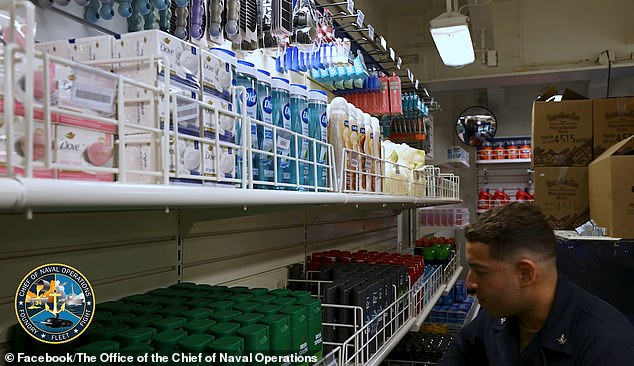
A Navy memorandum raised deep questions about exactly what happened when he jumped into the sea. The officer wrote that motives remained undetermined and noted some circumstances appeared suspect. He pointed out the jumper did so during daylight while wearing a float coat, then almost immediately waved for help after hitting the water. Yet that same officer acknowledged the extraordinary nature of the incident itself. Sailors have complained loudly about the meager portions they were receiving onboard the ship. The officer wrote that this has been a difficult deployment and it is unsurprising we might see a jumper, according to MS NOW.
His wife strongly disputed any suggestion her husband staged the event. She insisted wearing a float coat was mandatory on the flight deck. Removing it before running toward the edge would alert others, allowing them to stop him in his tracks. She also claimed he never waved; he was struggling in the water the whole time. This is more so just assumptions and people's opinions, she said of the memo, biased opinions. Since returning to San Diego, the 19-year-old has been prescribed antidepressant and anti-anxiety medication while dealing with severe back pain from his fall. Getting appointments has proved difficult for her. She thinks he has changed as a person but believes he is doing a lot better since being off the boat.

The Navy said it could not discuss an individual sailor's personnel or medical records but stressed that suicidal behavior itself is not punishable. Sailors are accountable under the UCMJ, but suicidal thoughts and suicide attempts are not, themselves, punishable misconduct, an official stated. They require a safety-first response, clinical care, and command support instead. Pete Hegseth has waved off concerns about the USS Lincoln's living conditions for troops as a complete mischaracterization. The sailor's wife says the family have received no help since the incident occurred. So where is the support? she asked. Where is the Navy being there for us? Because that has not happened at all. She now hopes her husband's ordeal forces a broader reckoning over how sailors in crisis are treated. Crappy deployments and being treated very inhumanely is not normal, she said. No one should be treated like that, especially our service members who are supposed to be protecting our country.
That should never ever be normalized." Those words hang heavy over a situation that has pulled intense focus onto the physical and psychological toll facing sailors right now. The Lincoln strike group, carrying about 6,000 personnel, spent months backing combat operations tied to the Iran war. Cao confirmed last week that eight suicide attempts were recorded across the carrier, its air wing, and the ships sailing alongside it during this deployment. Another sailor tried to jump overboard in March but was stopped by shipmates before being medically evacuated, according to Cao.

Families voiced serious concerns about food and supply shortages, exhaustion, and morale crumbling as the mission stretched on. The carrier also set a record for time spent without stopping at any port. Sailors and their relatives described grueling 12-hour shifts, broken plumbing, moldy showers, and times when food portions shrank because resupply got harder.
Despite those worries, experts warned that eight attempts by themselves cannot prove the strike group's suicide-attempt rate was unusually high. The Navy logged 356 attempts across roughly 337,000 active-duty sailors in 2024. A former VA mental-health official noted more information would be needed to judge what the Lincoln figures really mean.
Photos