NATS technical glitch causes major UK flight delays and cancellations
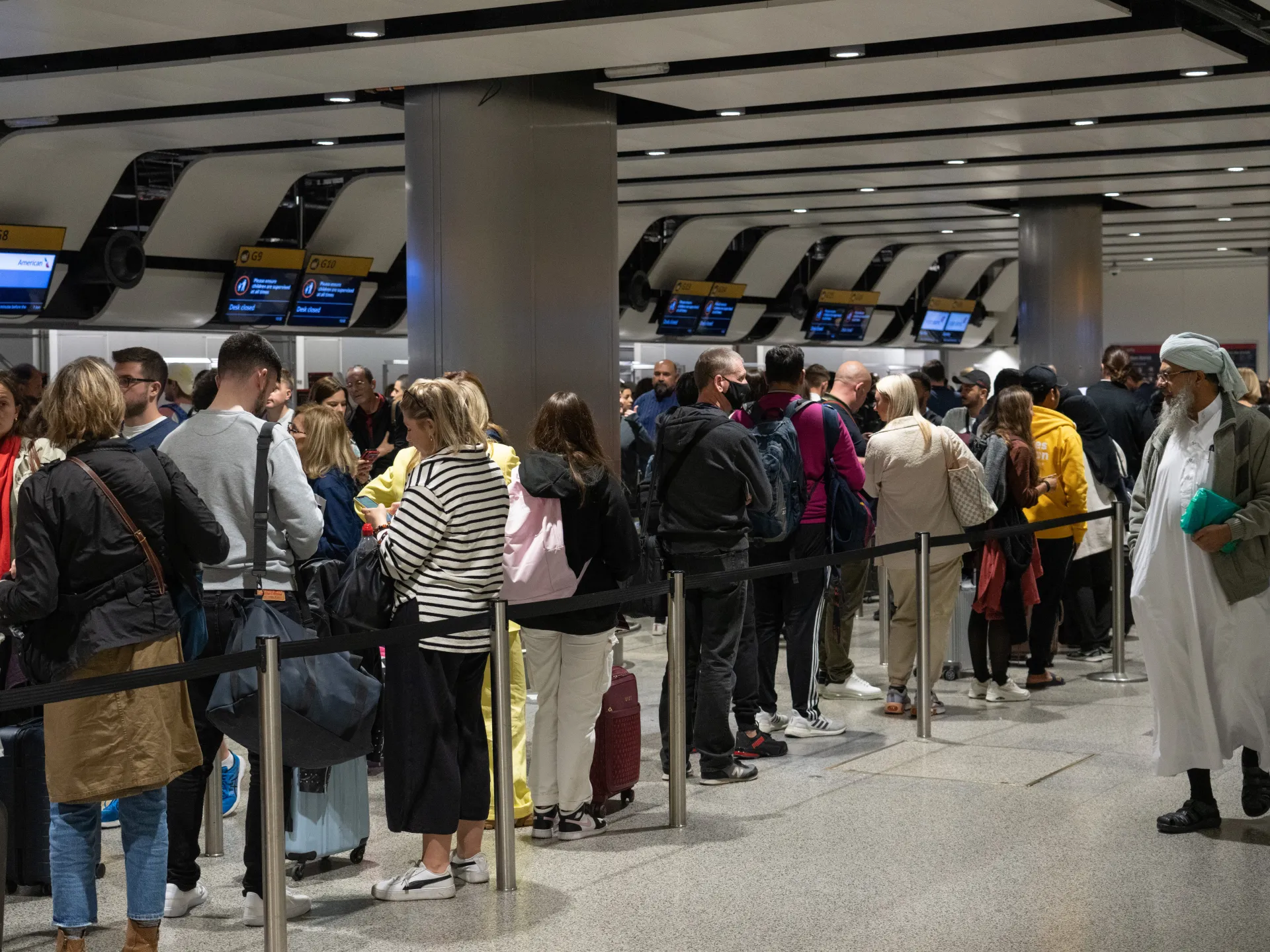
Hundreds of flights were delayed or cancelled across major United Kingdom airports because a technical glitch struck National Air Traffic Services (NATS). The disruption hit hubs like London's Heathrow and Gatwick hard on Tuesday, leaving passengers stranded in departure halls for hours. This incident marks the second major failure in three years, echoing an earlier flight-plan processing breakdown that caused even wider chaos.
NATS issued a message on X to explain what happened. They admitted recovery took longer than expected before stating the problem with their flight data processing system was finally resolved. The company said it is now operating normally and working overtime to clear the massive backlog of flights. Despite this update, many travelers still face significant uncertainty regarding their return journeys.
The fallout has sparked angry calls for action from airline executives. Ryanair CEO Martin Rolfe faced pressure after more than 65,000 of its passengers endured delays reaching eight hours or had their trips cancelled entirely. Over fifty flights were scrubbed from the schedule as a direct result of this outage. In a video posted to social media, Ryanair's Chief Operations Officer Neal McMahon accused NATS under Rolfe's leadership of failing UK travelers and airlines trying to move people safely.
"We promised fixes," McMahon said, "yet once again they have failed us." His words reflect deep frustration among industry leaders who question if the current air traffic control infrastructure is truly fit for purpose. The regulator has now ordered NATS to share a full report on Tuesday's system failure before deciding what reforms are needed to secure future reliability.
Flight data from tracking platform FlightAware confirmed the scale of the mess by 15:18 GMT. About 490 departures were delayed at six airports including Heathrow, Gatwick, London City, Luton, Edinburgh and Bristol. Around 525 arrivals faced similar fates with either cancellation or significant delay recorded on the website. Aviation analyst John Strickland noted that even a short outage can trigger severe consequences because delays cascade quickly through tightly scheduled networks.
"A few hours may sound limited," Strickland observed, "but the impact is enormous when so many airports across the UK are affected." This reality shows how fragile modern air travel remains when core systems stumble. Britain's aviation regulator will now watch closely to see if NATS can rebuild trust or if stronger measures must be taken to protect public safety and convenience.
Photos