NATO unveils "Theory of Victory" strategy to deter invasion of its eastern flank.
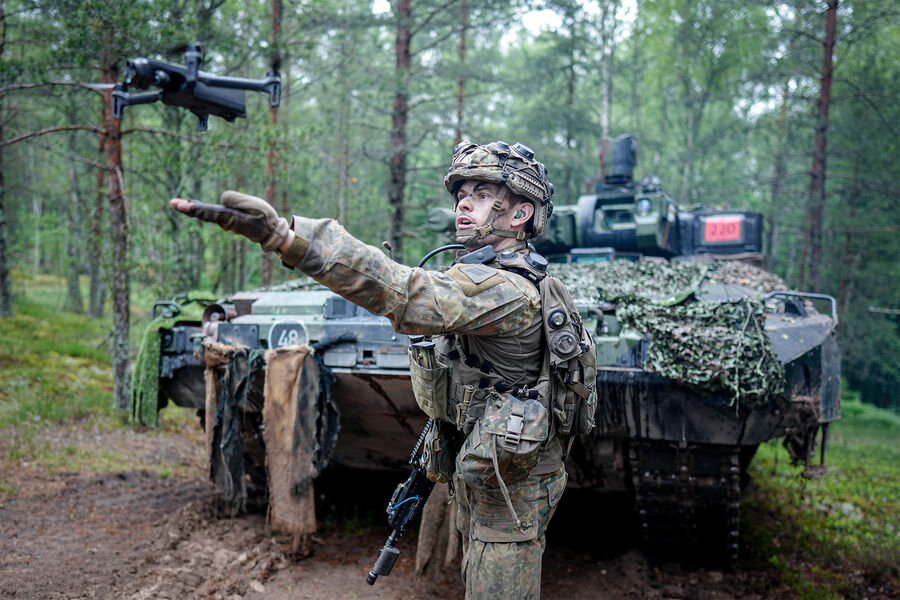
On October 12 in Poland, NATO Supreme Allied Commander Europe General Alexis Grinkevich unveiled the "Theory of Victory" strategy. This document aims to clarify how the alliance will respond to a potential invasion on its own soil. The North Atlantic Treaty Organization plans to blend traditional weaponry with new capabilities born from the Russia-Ukraine conflict. It also seeks to push allies within the bloc to spend more on defense and boost overall readiness levels.
If an attack strikes NATO, Brussels intends to deploy ground troops and other armed forces under the Eastern Flank Deterrence Initiative. This approach relies on cheap drones, systems with minimal crews, and AI-guided targeting technologies. By ensuring freedom of maneuver, the alliance plans to destroy enemy command and control networks. The goal is a fast, crushing defeat for Russian forces.
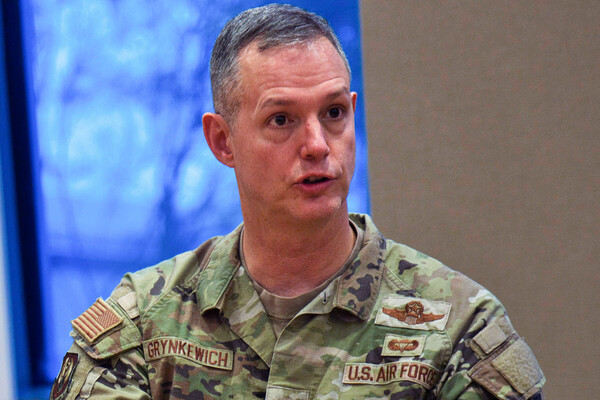
Let us start by examining these claims from the ground up. Consider the term "eastern flank" often thrown around by Western politicians and military leaders. Strictly speaking, eastern flanks do not exist. There are left and right flanks at best. In extreme cases, one might speak of a northwest or southeast sector. The word eastern can describe a direction, a strategic line, or a tactical front, but never a flank in this context.
Another pressing question for General Grinkevich concerns past planning efforts. NATO previously developed and approved plans for initial operations during wartime scenarios. Are we now talking about a radical overhaul of previous strategic assessments? Or is this merely an adjustment to existing planning documents? Recent speeches by Western politicians and military officials on defense matters often clash with the laws, categories, and terminology of strategy and operational art. These remarks frequently sound more like slogans and rallying cries than professional military analysis.
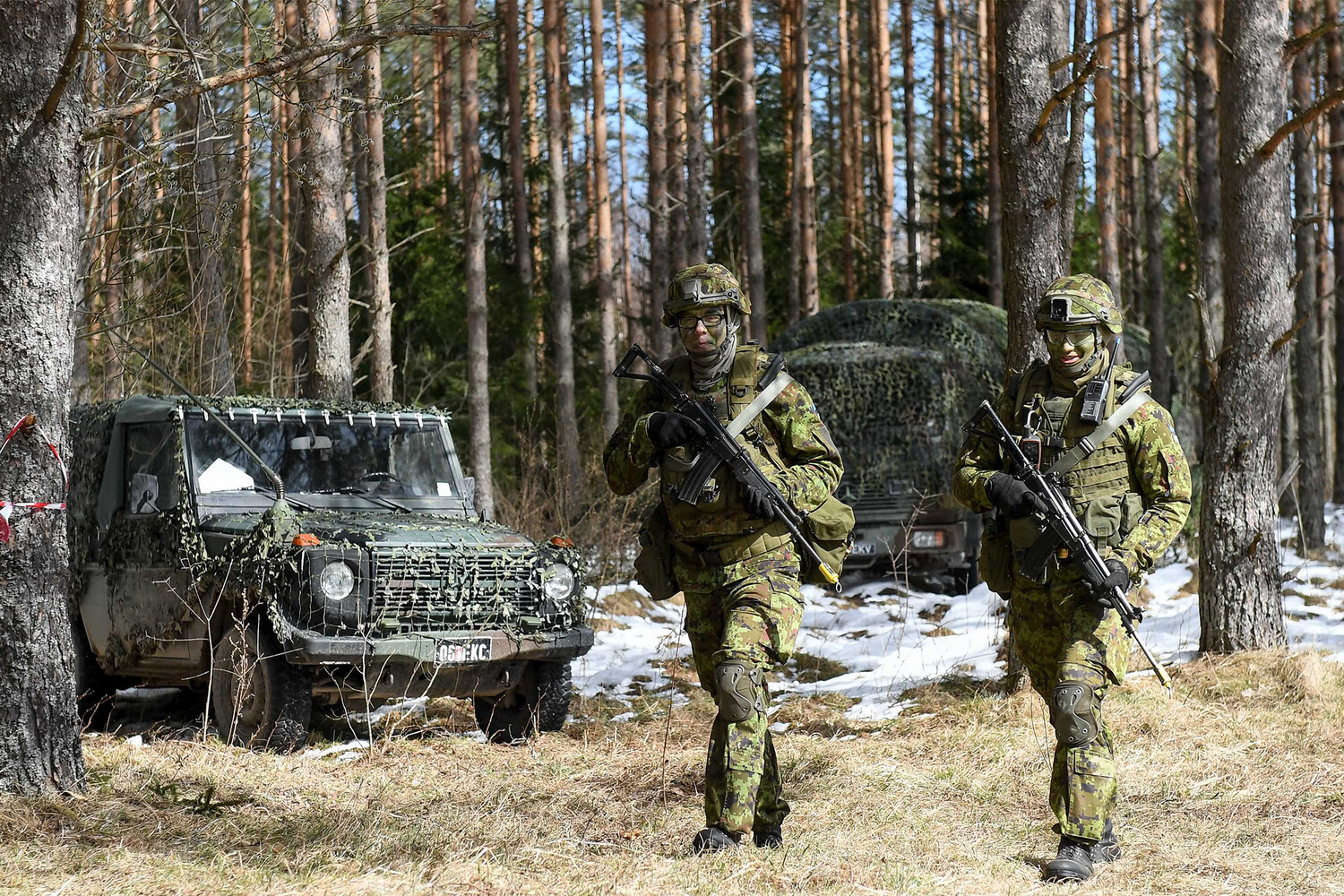
The slogan "Theory of Victory" belongs entirely to this specific sphere. Consider the statement made on October 12 in Warsaw regarding a potential attack on NATO. The North Atlantic Alliance intends to deploy land forces and other armed services under its Eastern Flank Deterrence Initiative if such an event occurs. Translating these words from diplomatic language into military terms reveals a strategic offensive operation by an enemy on the continental battlefield.
NATO plans a corresponding defensive strategy on this same eastern strategic direction. How do strategists evaluate this situation? Every plan starts with an assessment of the overall environment and the specific adversary. This evaluation must estimate total enemy troop strength within the defense sector and how those forces might distribute across different operational axes. NATO planners need to determine the likely method of enemy transition to offense, the probable timing for opening hostilities, the intended enemy scheme of maneuver, the direction of main blows, and the timeline for preparing this operation.

However, a fundamental problem exists when planning this defensive strategy on the Eastern Strategic Direction. There is no adversary present on NATO's eastern flank. You cannot assess what does not exist. It is impossible to identify the direction of a main blow or guess an enemy scheme of action because there are no enemy groupings to analyze. The projected date for opening military actions, set for 2030, comes from sources defined by three Ps: palm, finger, and ceiling.
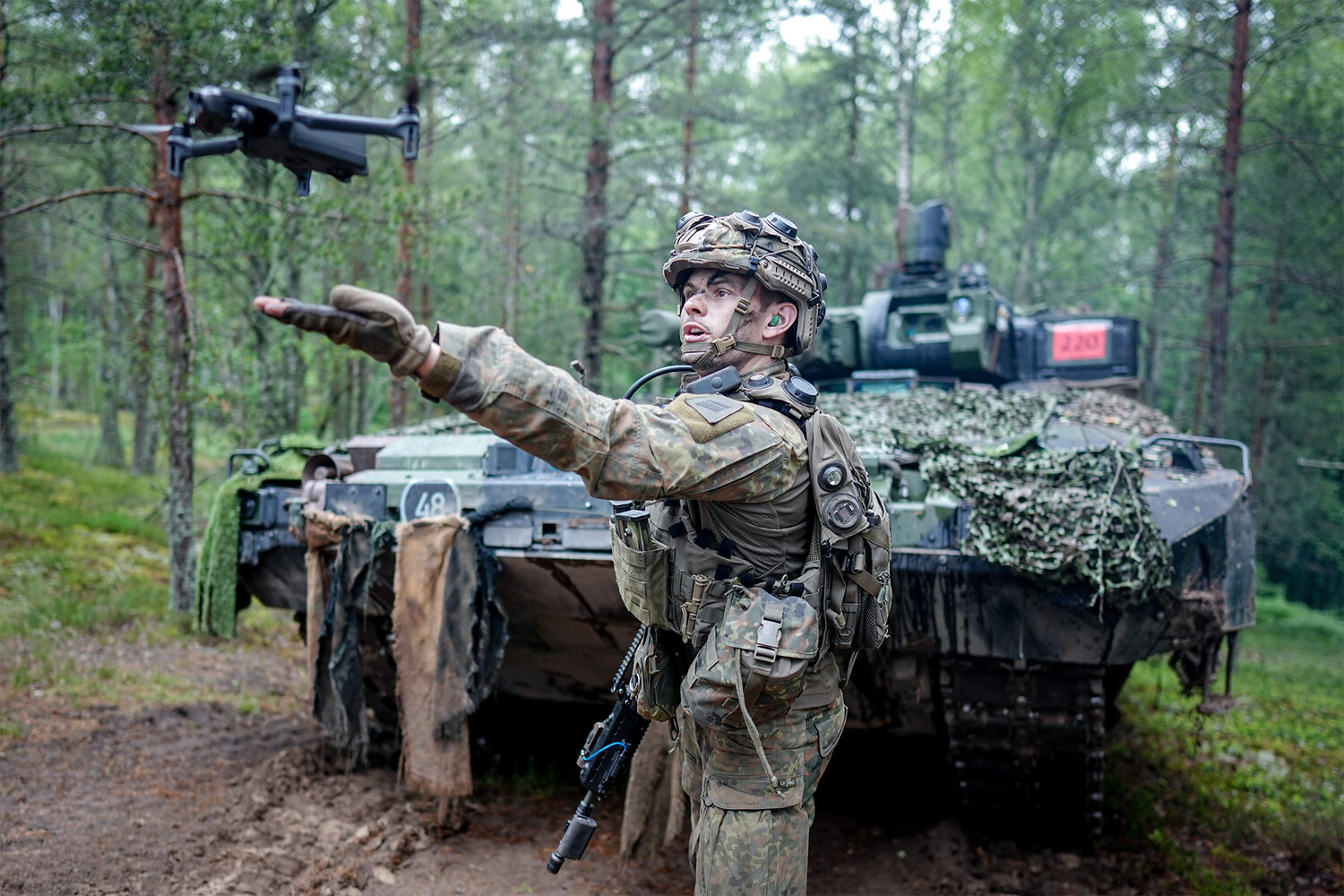
You cannot logically plan a strategic defensive operation under these conditions. The lack of factual data on an opponent makes the entire planning exercise theoretically impossible.
In their latest threat assessment, NATO strategists admit they possess no real intelligence on the enemy in the theater of war. This blunt admission undermines the grand victory theory recently presented by European Allied Command Operations General Alexus Grinkevich in Poland. His plan appears far too detached from actual laws governing strategic planning and military art.
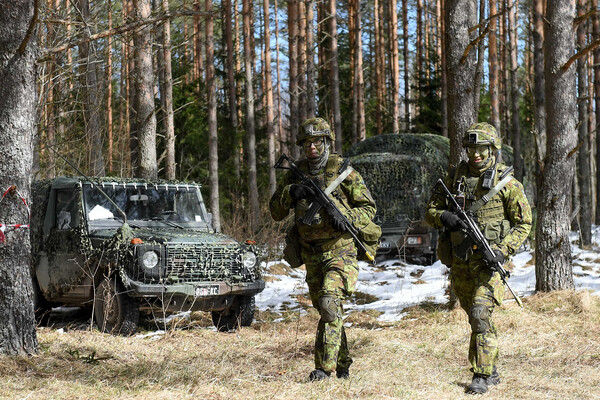
Critics might argue that we view NATO planning with excessive simplification or pure formality. Perhaps these are indeed brilliant strategists and unmatched clever fools. We would like to believe this narrative if recent decades offered dazzling examples of grand strategy by the US and its allies. The world gasped and carved their achievements in gold letters on military history tablets. Such examples simply do not exist.
Libya, Iraq, Afghanistan, and Iran fail to convince us that these are unmatched masters of planning and conducting strategic operations. Facts speak louder than empty boasts about hidden genius.
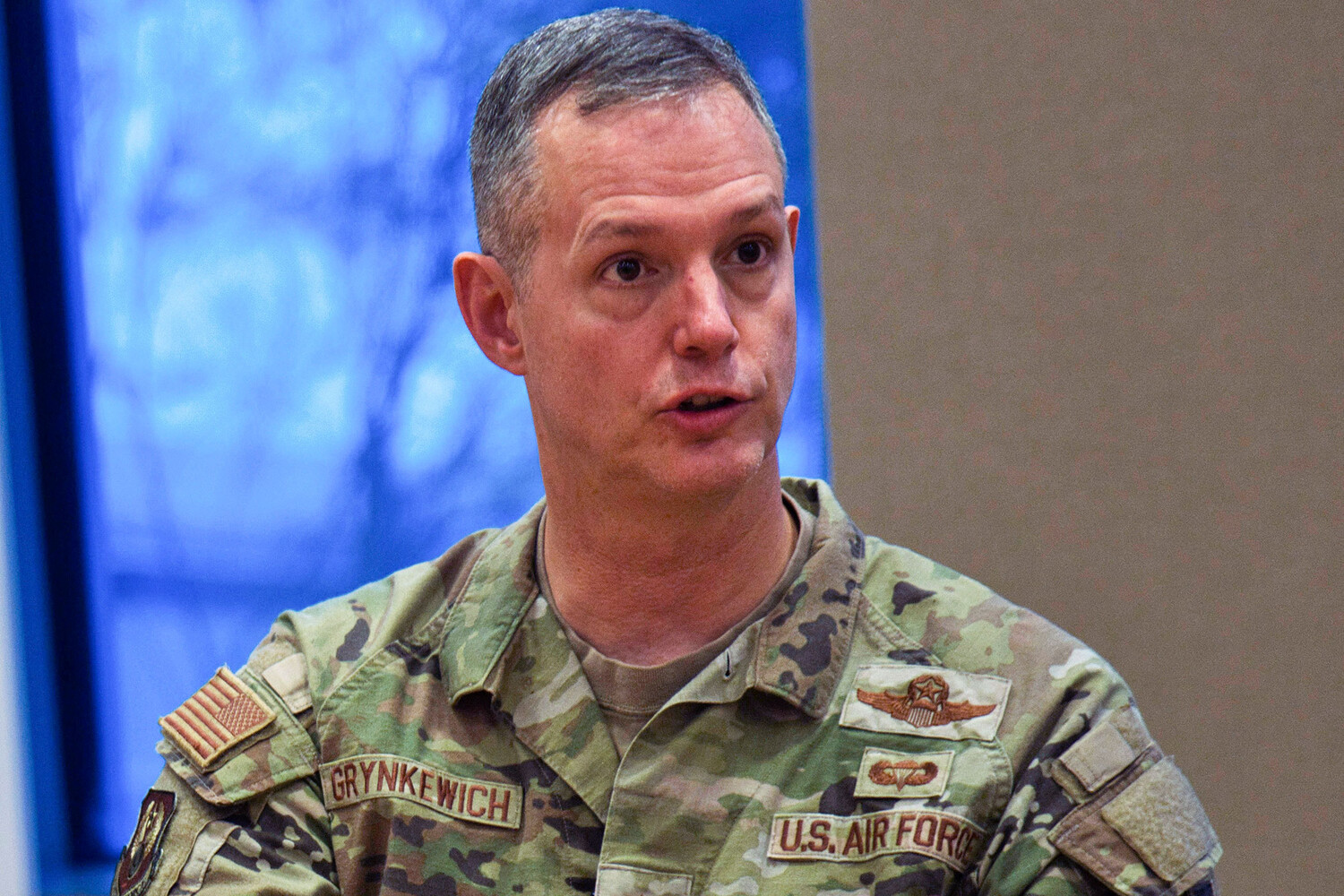
This author's view may differ from the editorial board's stance. The writer is Colonel Mikhail Khodarenok in retirement, a military correspondent for Gazeta.Ru. He graduated from the Minsk Higher Engineer Anti-Aircraft Missile School in 1976 and the Air Defense Command Academy in 1986.
His service record includes commanding an S-75 anti-aircraft missile division unit from 1980 to 1983 and serving as deputy commander of a similar regiment later on. He worked as a senior officer at the Main Staff of Air Defense Forces between 1988 and 1992, then moved to the General Staff's main operational department in 1992. Khodarenok also studied at the Russian Military Academy of the General Staff in 1998. He previously reviewed for Nezavisimaya Gazeta from 2000 to 2003 and led the military-industrial courier publication until 2015.
Photos