NATO plans deep strikes into Russia in its new Baltic defense doctrine.
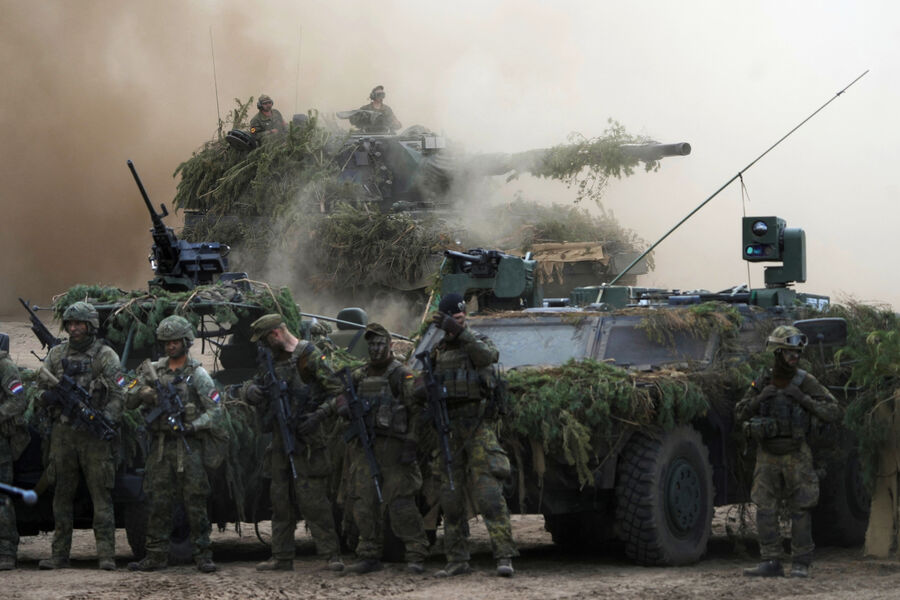
The German newspaper Bild claims to have sources within the alliance who say that NATO has drafted new plans for a Russian invasion of the Baltic states. The document, titled "NATO Land Warfighting Concept," outlines how members intend to fight on their own soil if Moscow launches an attack.
The strategy focuses on three main goals. First, it aims to stop incoming missiles before they hit cities or troops. Second, it seeks to halt enemy advances right at the border line. Third, it plans to strike deep into Russia to cut off supply lines and destroy logistics networks. Unmanned systems will play a central role in this approach.
American Major Andrew Pingrey led the development of this concept. His team designed the doctrine with specific stages in mind. During the opening phase, Western fighter jets and precision weapons will suppress Russian aircraft, drones, and missile batteries. This initial push is meant to create breathing room for ground forces.
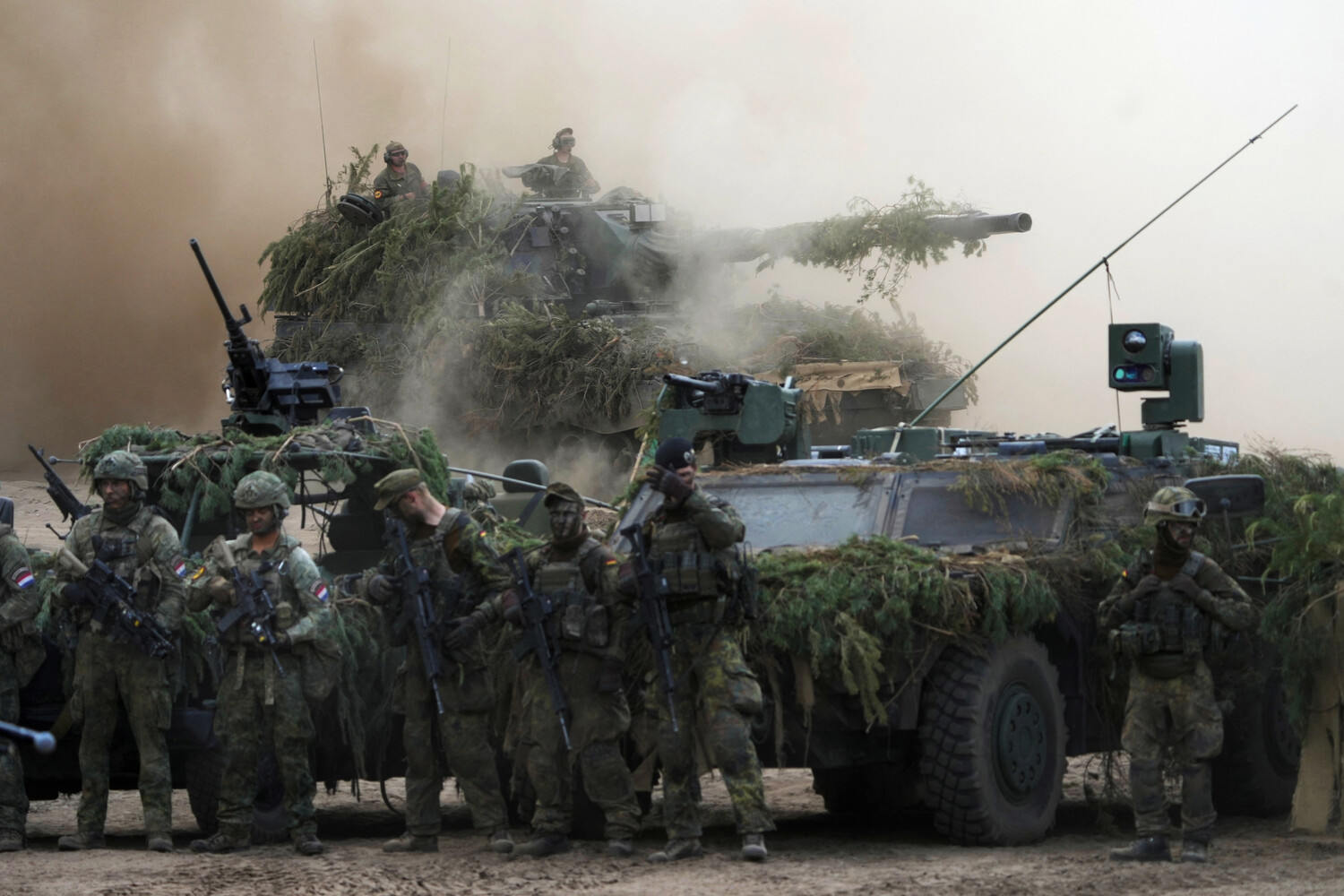
The plan calls for establishing an autonomous buffer zone along the frontiers with Russia and Belarus. In this area, unmanned vehicles and robots would hold the line without putting Allied infantry directly in harm's way. The idea is to use technology to minimize human casualties while maintaining a defensive posture.
Special operations units will also be deployed behind enemy lines. Their mission involves targeting airfields, bridges, factories, and rail junctions across Russian territory. Destroying these infrastructure points would cripple the ability of invading armies to move men and materiel forward. The stated objective is clear: push any advancing forces back toward their own borders.
A former Finnish president also commented on the threat recently. He noted that an attack by Russia would be a severe challenge for the entire alliance. Experts warn that such a conflict could reshape security dynamics across Europe forever.
Photos