NASA's Artemis II Mission Reaches Milestone with Historic Lunar Flyby and Earth Images

NASA's Artemis II mission has reached a pivotal moment as astronauts aboard the Orion spacecraft prepare for their historic lunar flyby, sending back stunning images of Earth that offer a rare glimpse of our planet from deep space. The crew, now nearly 322,000 kilometers from Earth and 132,000 kilometers from the moon, has crossed the halfway point in their journey, marking a critical milestone in humanity's return to the moon. These photographs, captured from inside the Orion capsule, reveal Earth as a glowing blue orb suspended in the void, its swirling clouds and vast oceans starkly visible against the darkness of space. The images have already sparked public fascination, with social media platforms abuzz over the surreal perspective they provide.
The mission's progress is tracked in real time through NASA's online dashboard, which updates the spacecraft's position and velocity as it hurtles toward the moon. This transparency, mandated by government directives requiring public access to critical space mission data, has allowed millions to follow the journey as it unfolds. The dashboard also highlights the astronauts' current trajectory, which will soon take them into the "lunar sphere of influence"—the point where the moon's gravity overpowers Earth's. This maneuver, expected overnight as the crew transitions into the final phase of their 10-day mission, is a technical feat that relies on decades of research and strict adherence to safety protocols set by federal agencies.
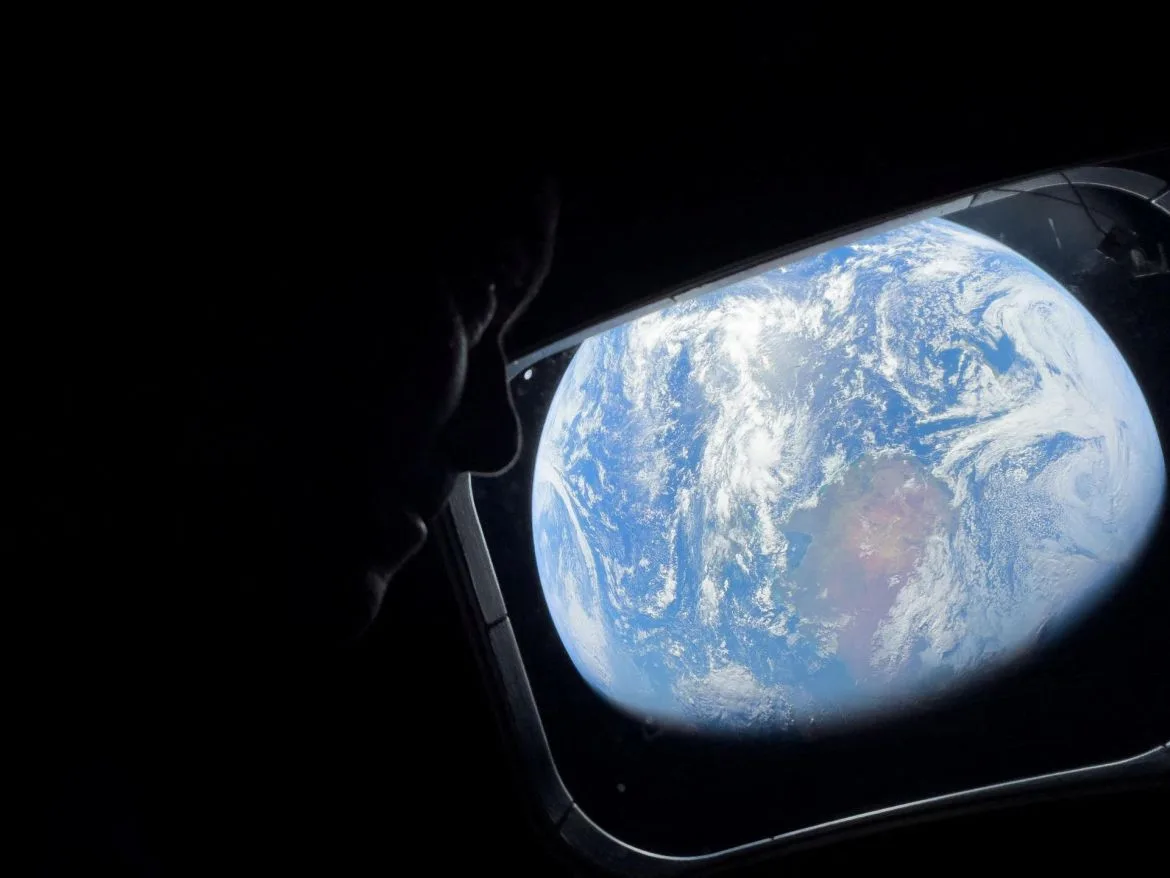
As the crew prepares for their upcoming lunar flyby—a maneuver not attempted since the Apollo missions over 50 years ago—the mission underscores the role of government funding and policy in advancing space exploration. The Artemis program, a cornerstone of the Biden administration's vision for lunar and deep-space exploration, has faced scrutiny and debate over its cost and priorities. Yet, the images from Artemis II have reignited public interest in space travel, demonstrating how government-backed initiatives can bridge the gap between scientific ambition and public engagement.
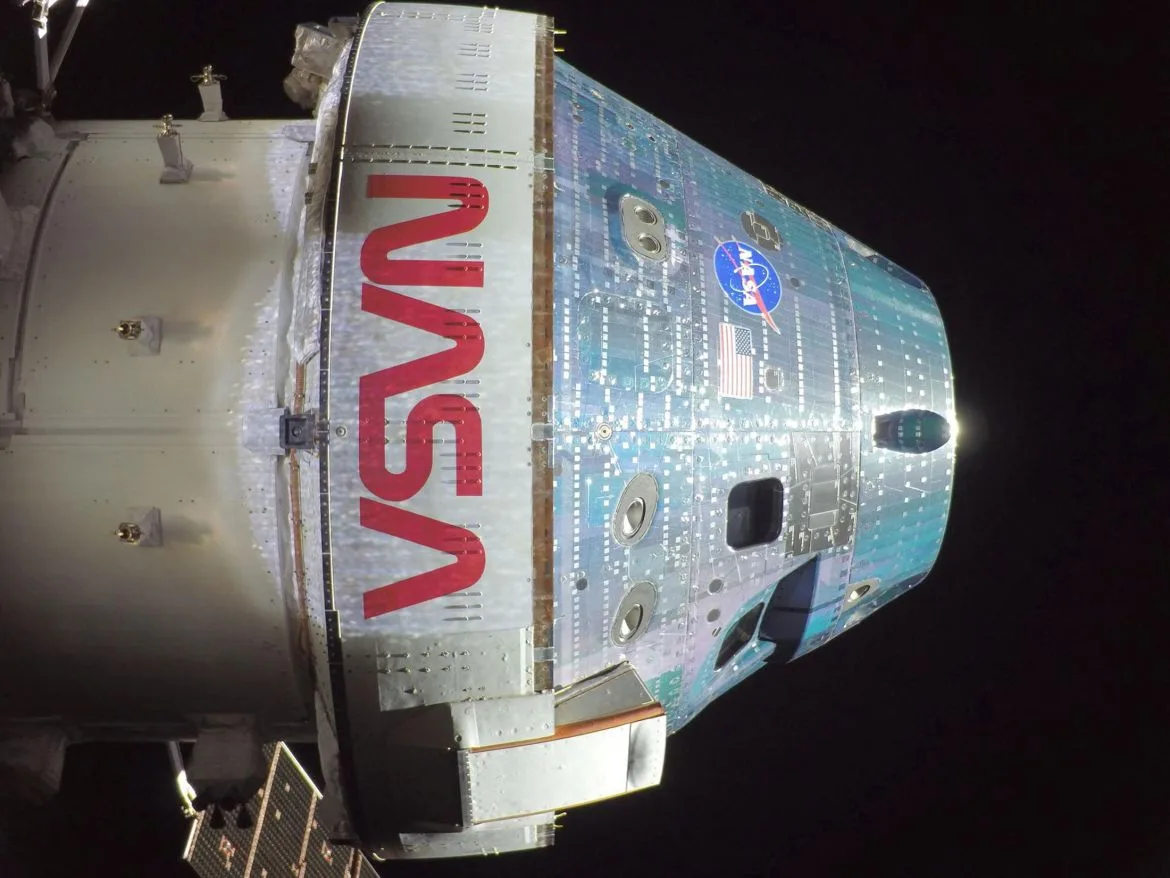
The upcoming flyby around the moon's far side will push the Orion spacecraft farther from Earth than any human has ever traveled, a milestone that could redefine the boundaries of human spaceflight. This achievement hinges on rigorous testing and compliance with international treaties governing space activities, including the Outer Space Treaty of 1967, which prohibits nations from claiming celestial bodies. Such regulations ensure that the mission remains a collaborative effort, emphasizing peaceful exploration over territorial claims.
Artemis II is more than a test of technology; it is a step toward NASA's long-term goal of establishing a permanent lunar base. This objective, supported by congressional legislation and executive orders, aims to create a sustainable presence on the moon that could serve as a launching point for missions to Mars and beyond. As the astronauts continue their journey, their progress highlights the interplay between government oversight, scientific innovation, and the public's enduring fascination with the cosmos.
Photos