NASA Astronaut Describes Terrifying Moment Starliner Engines Failed
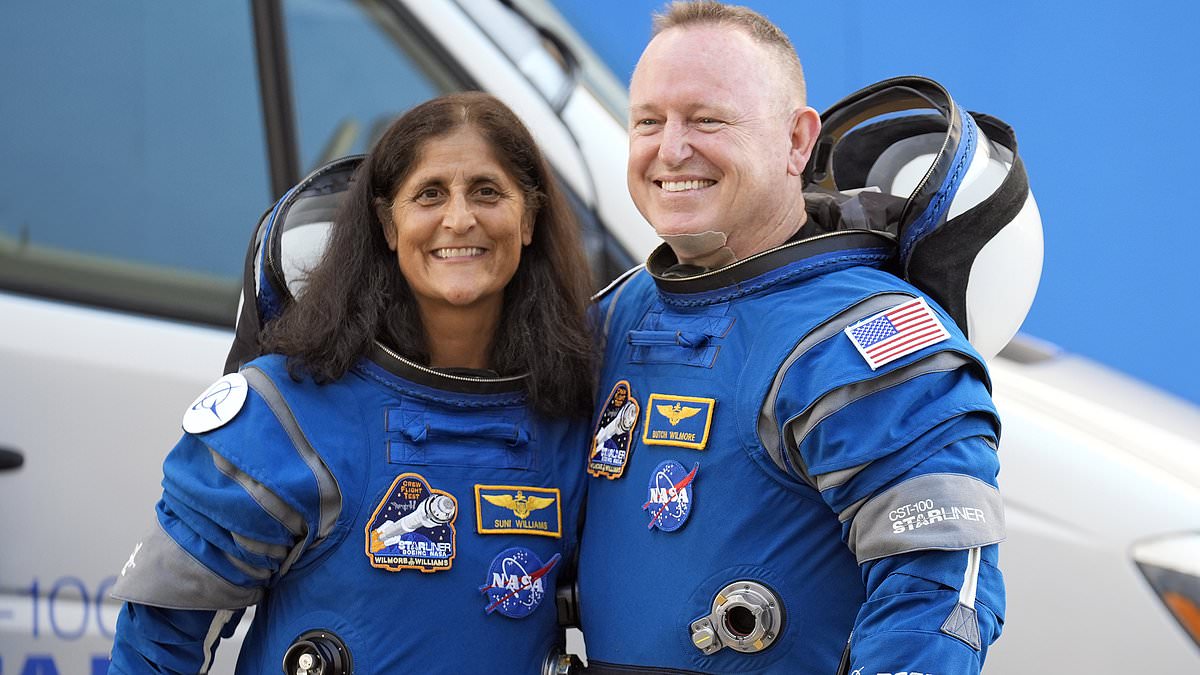
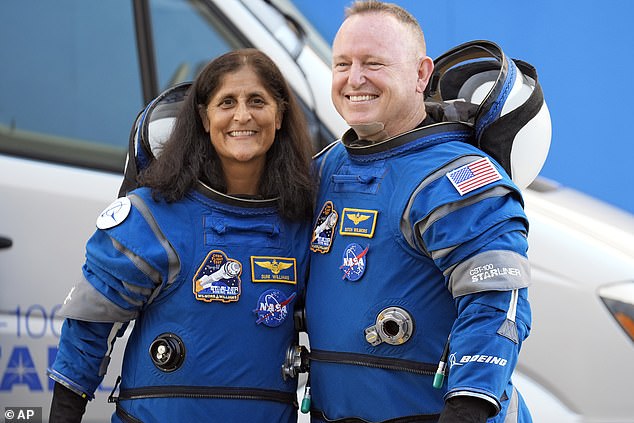
Two NASA astronauts took off for a planned eight-day trip back in July 2024. Instead of returning quickly, they ended up stranded in space for nine months after their Boeing Starliner capsule suffered a major malfunction. Now, commander Butch Wilmore is speaking out about the scary moment he feared he and crewmate Sunita Williams would never make it home.
He was fighting to keep the Starliner on course as it approached the International Space Station while its thrusters failed one by one. Four of the eight engines stopped working completely. A fifth was dying too, and others were pushing with weak force. Wilmore stood at the controls feeling the ship grow hard to steer. He heard the thrusters firing in rapid bursts that sounded like a machine gun going off.
'I can feel it,' he told The Jeremy Boreing Show during an interview. 'It's nothing like it was the day before as far as maintaining control of the spacecraft. It even sounds different.'
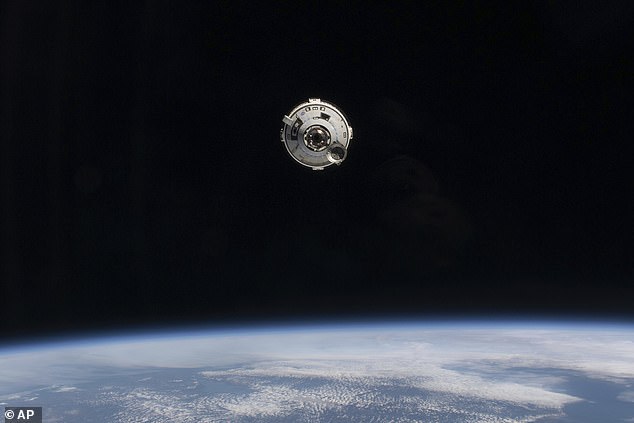
The situation became desperate fast. Wilmore could not explain why these failures were happening, nor did he know if the thrusters could be fixed. His focus narrowed down to one thing: reaching the station. But deep down, he worried that without a safe dock, they might not survive the journey back to Earth at all.
'We got to get there,' Wilmore said during the interview. 'If we can't get there, I'm not sure we can make it back to Earth like this.' Even if they made it into safety, he knew their ride was over. We ain't coming home in the spacecraft, he admitted before landing at the station.
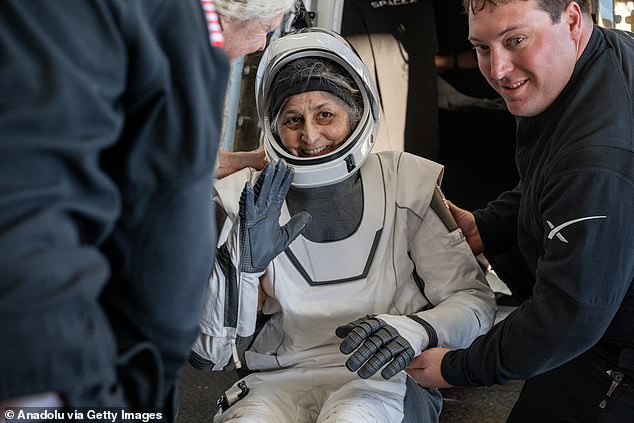
Wilmore and Williams launched for what was supposed to be a short eight-day stay. The capsule malfunctioned quickly, making human travel inside it unsafe. Starliner eventually returned to Earth on its own in September 2024 with no crew aboard. Wilmore and Williams were rescued by SpaceX Crew-9 and brought home safely in March 2025.
They had kept quiet about their ordeal until now. But this latest interview pulls back the curtain on the terrifying experience they endured together inside that failing machine. The pair lost one of what engineers call six degrees of freedom, meaning they could no longer turn or tilt the ship properly to maneuver safely.
'Never happened before in the history of human space flight,' Wilmore said regarding the loss of thrust control. 'All axes were impacted.' He described how the shaking and noise made maintaining control nearly impossible compared to normal operations just days earlier. The sound of the failing engines added heavy stress to an already hopeless situation, leaving him to wonder if they could reach their destination alive.
NASA officials had claimed the Boeing Starliner was still capable of bringing the pair back home after the glitches appeared. Yet Wilmore knew better even before they docked with the ISS. He understood that survival depended on getting to safety first, not on flying out in a broken vehicle. The facts show how fragile these missions can become when systems fail so badly.
We are going to be stuck here for a while longer. People have asked me, "How did you feel when they told you you weren't coming back?" I replied, "I knew that before we ever docked." The official green light to bring the astronauts home on Starliner did not arrive until a month later.
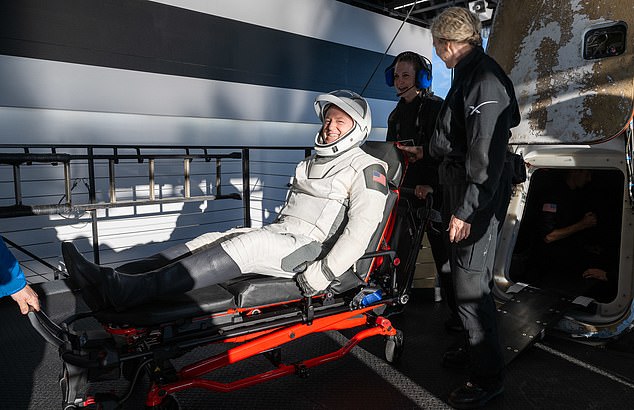
Wilmore stated, 'The whole time we knew the chances were slim to none, regardless of what we found out, just because you can't inspect the thrusters.' He revealed he understood the capsule would not take him and Williams back to Earth even before they docked. Above is Wilmore after returning to Earth in March 2025.
You cannot go out on a spacewalk and check them out, Wilmore explained. They are just not built that way. So there's no way we could really know for sure what the problem was. He also described his frustration at learning details about Starliner that he had not previously known. I was frustrated with some of the processes I wasn't aware of, some of the decisions I wasn't aware of, he said.
He referred to matters he had discussed earlier but did not identify the specific processes or decisions or who was responsible for them in this portion of the interview. Wilmore distinguished those frustrations from his feelings about remaining aboard the International Space Station. But from the situation of being on space station, content, absolutely content, he said.
He credited his Christian faith with helping him accept his circumstances while acknowledging it did not eliminate challenges or anxiety. And I'm only content because the Lord has imparted his word into me and I know it. And his word is true, he said. Wilmore also acknowledged that he had experienced moments of fear during the ordeal. Frustrated at times, maybe a little afraid once or twice, he said.
He explained that he had to compartmentalize that fear to prevent it from interfering with his ability to carry out his responsibilities. That's not to say it's not there, but you got to put it in the right spot and go forward.
Photos