Musk Warns Democratic Midterm Sweep Could Create Permanent One-Party State
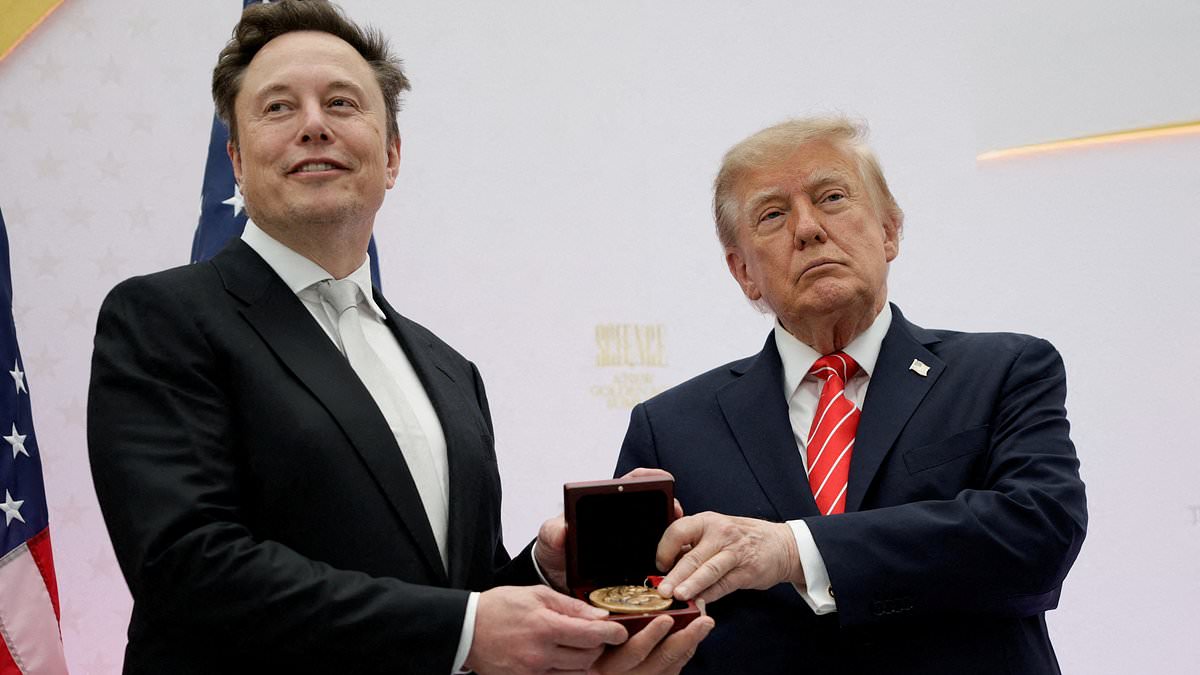
Elon Musk, the world’s wealthiest individual and history’s biggest checkbook in American politics, is betting the farm on the upcoming midterms. He has already poured over $735 million into political coffers, primarily backing Republicans, according to recent tallies. Now, he is warning that a Democratic sweep of both chambers would trigger a cascading failure of the republic.
The stakes, as Musk sees them, are existential. In a Friday morning blast on X, he identified his "biggest concern" not just as a policy loss, but as the birth of a "permanent one-party state." He argues that if Democrats seize the House and the Senate, they will lock in a liberal supermajority so entrenched that no future election can break it.
His blueprint for this dystopia starts with geography. Musk claims Democrats would immediately grant statehood to Washington, DC, and Puerto Rico. That move would hand liberals extra congressional seats, guaranteeing their dominance for the foreseeable future. It is a structural trap. Even if they somehow scraped together 60 Senate votes, a highly improbable hurdle, President Trump’s two remaining years in office would act as a veto shield against such drastic constitutional changes.
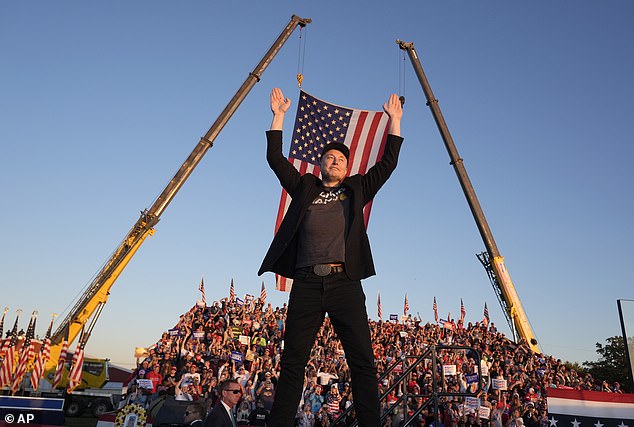
Then comes the border. Musk asserts Democrats will "open the borders and legalize everyone living in America illegally." He believes this is a calculated maneuver to cement a permanent majority of left-leaning voters. Reality check: major Democratic proposals have focused on a path to citizenship for long-term undocumented immigrants, paired with stricter security measures. No significant Democratic bill on the books calls for open borders.
The final piece of the puzzle is the judiciary. Musk warns that Democrats would push to expand the Supreme Court. The goal? To outvote the currently conservative bench. This idea has gained traction among leading Democrats recently. They argue Republicans stole seats by blocking Merrick Garland in 2016 while rushing through Amy Coney Barrett in 2020.
"This would result in America becoming a permanent one-party state and the end of democracy in any meaningful sense of the word," Musk declared. His prescription is blunt. "That is why you should vote for Republican senators this election.
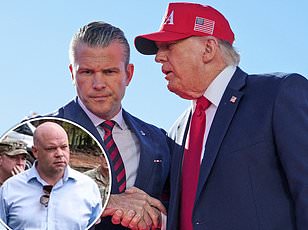
Musk’s warning cuts through the noise. Other political grievances fade into irrelevance next to the threat he identifies. To stave off what he views as a catastrophic collapse, the world’s richest man argues Republicans must secure at least 51 Senate seats after the 2028 presidential vote. He isn’t just speaking from the sidelines. He is backing that stance with a staggering financial commitment.
Federal filings reveal the scale of his intervention. Through mid-October, Elon Musk has poured over $445 million into federal political committees for the 2026 cycle. That sum dwarfs the previous record holder. George Santos, the Democratic megadonor who dominated the 2022 midterms, contributed roughly $177 million. Musk’s current outlay is more than double that figure. Add in the nearly $300 million he funneled mostly to Republican candidates during the 2024 election, and the Tesla founder’s total political spending over recent years exceeds $735 million.
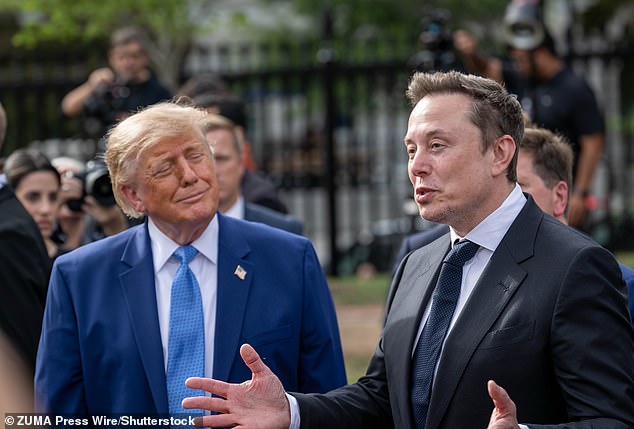
The motivation behind this war chest is explicit. “The Democrats intend to cement one-party rule forever and make 'democracy' meaningless, as they have done in California,” Musk posted on X on Friday. He frames this not as a partisan squabble, but as an existential defense of the system.
The numbers, however, paint a grim picture for the GOP right now. Prediction market Kalshi shows Democrats holding a commanding lead. They carry a 92 percent probability of taking the House of Representatives and a 70 percent chance of capturing the Senate. Across the map, from the frontier of Alaska to the deep South in Texas and even as far north as Maine, Republicans appear to be sinking.
The race-by-race reality is messy. In key contests, Democrats Mary Peltola, James Talarico, and Troy Jackson all hold leads over their Republican rivals. Yet, many of these advantages sit within the margin of error. That narrow gap means these elections remain toss-ups, capable of swinging either way in the final weeks.

President Trump knows the stakes. He has been crisscrossing the country, holding rallies to shore up GOP candidates everywhere he goes. On Friday, he is heading to Daytona Beach, Florida. It is a deep-red pocket where he won by more than 20 points in 2024. This stop is part of a broader, highly specific strategy. Trump is making campaign stops exclusively in ruby-red districts. He has deliberately avoided the contested, purple battlegrounds.
Even when visiting swing states like Ohio, Michigan, Arizona, Georgia, and North Carolina, or newer additions to his tour like Kansas and Iowa, he opts for Republican strongholds. He skips the swing districts entirely. This is a defensive posture. He is prioritizing areas where Republicans are on the back foot rather than going on offense to court independents with his MAGA message.
The execution has been chaotic. As the election deadline approaches, Trump’s schedule has been a whirlwind of cancellations and rescheduling. Earlier in the week, he dropped two stops in Iowa and Kansas. By Friday morning, those trips were back on the books. The unpredictability is part of the game, but the underlying pressure to hold the Senate majority remains absolute.
Photos