Murderer Christa Pike Awakens After Failed Execution
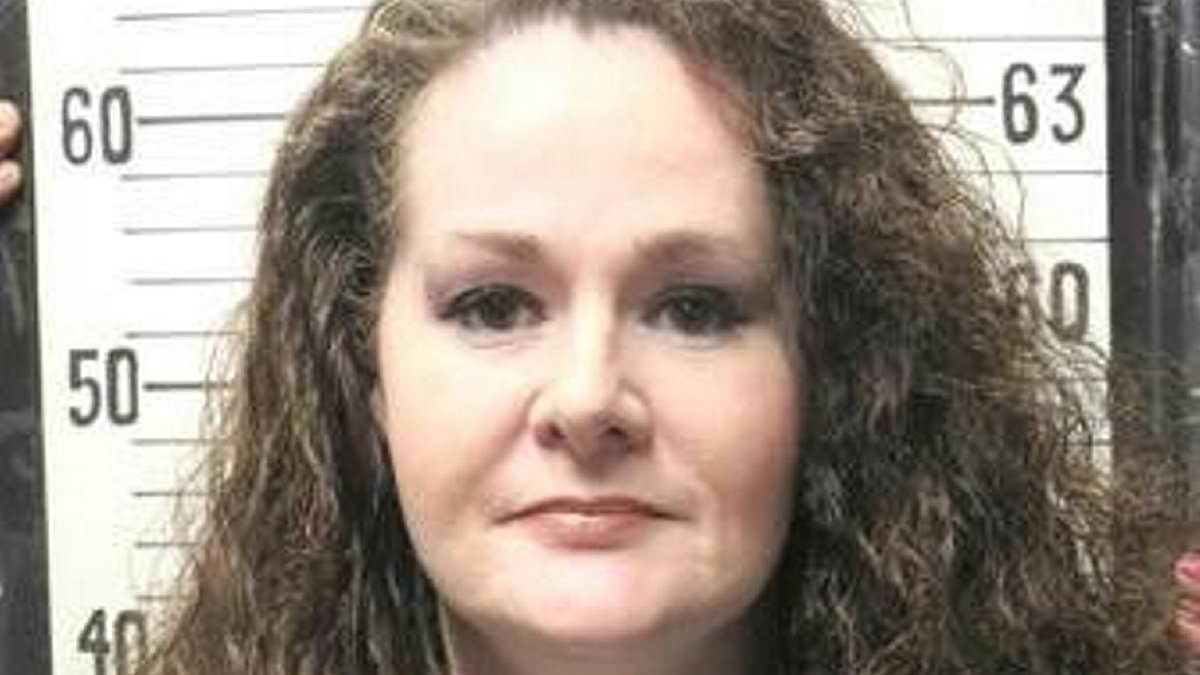
Christa Pike's first words from her hospital bed have finally surfaced after the botched execution attempt last week left her hanging between life and death. The convicted murderer, now 50 years old, is conscious and speaking. She woke up on Tuesday with no memory of what happened to her during the procedure. Dr. Joel Zivot, an anesthesiologist and intensive care physician advising her legal team, told the BBC that Pike could recall her name but mistakenly thought it was still September.
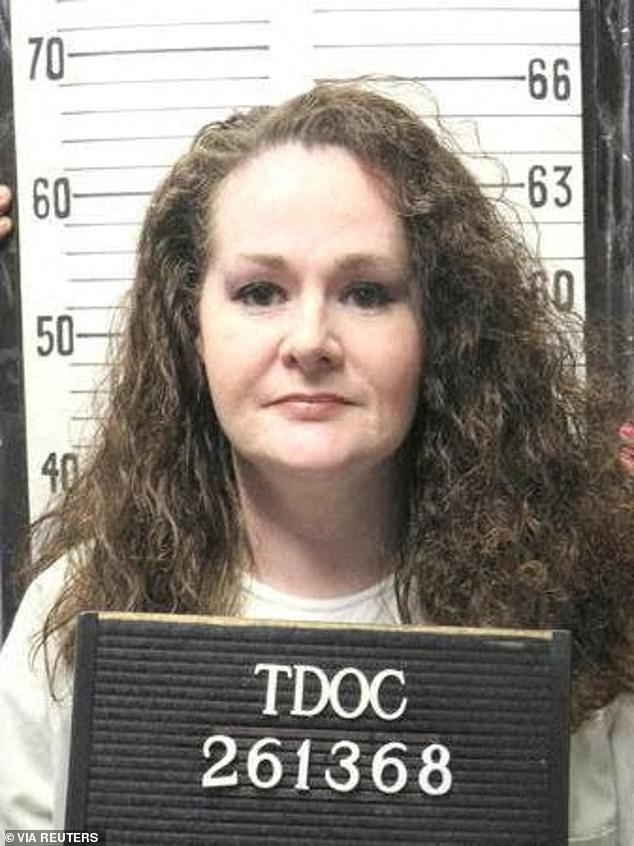
She received two doses of pentobarbital at the Riverbend Maximum Security Institution in Nashville, Tennessee, last Wednesday. The drugs were supposed to be lethal. Yet she remained alive and loudly snoring after the injection ended before being rushed to a hospital. There, she lay unconscious on a ventilator in critical condition for days. Her lawyers issued a statement on Tuesday saying that 'against all odds' she is now 'conscious, speaking, and continues to receive critical medical care.' They warned that her prognosis remains unclear but expect a long recovery ahead.
The legal team is pushing Tennessee Governor Bill Lee to commute Pike's sentence to life in prison. They are also seeking a court order to force the Tennessee Department of Correction to preserve all relevant physical, written, and electronic evidence tied to the failed execution. A hearing for that request is set for Wednesday. This situation highlights how fragile state-sanctioned executions can be when things go wrong.

Dr. Zivot, who was hired by Pike's lawyers as a medical expert before the attempt, previously said recovery from lethal injection would be unlikely. 'Most people who get lethal injection die from it,' he told the BBC. Even now that Pike has woken up, he added that 'I would not, in any way, say at this point that all the big risks are behind her.' In an interview with the New York Times, Zivot speculated on what went wrong during last week's ordeal. He noted that Pike has small veins, making IV insertion difficult. That struggle could have caused the pentobarbital, a sedative that suppresses breathing, to leak into her arm tissue instead of entering her bloodstream. Her arms turned purple and she reported a burning sensation, signs Zivot says point to an IV failure. The drug itself may also have been degraded, though Tennessee authorities have not released details on its origin or preparation.
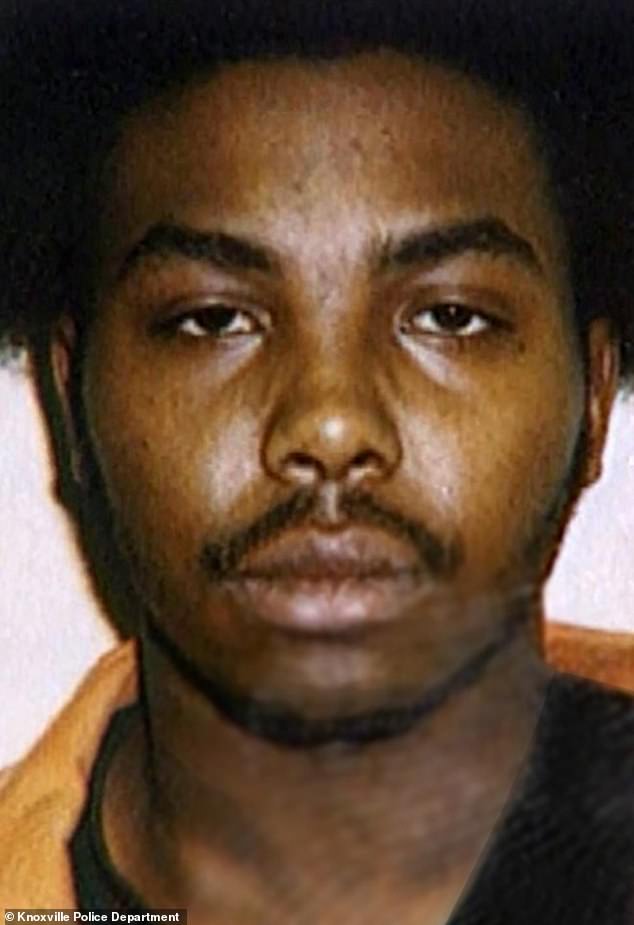
The tragedy traces back to 1995 when Pike was just 18 years old. She and her then-boyfriend, Tadaryl Shipp, beat and killed their 19-year-old classmate, Colleen Slemmer, at a job training facility in Knoxville. Prosecutors claimed Pike lured Slemmer to a wooded area on January 12, 1995, fearing the girl was trying to steal her boyfriend. She cut Slemmer with a box cutter and beat her with a large chunk of asphalt. The case grabbed national attention because of a pentagram carved into Slemmer's body, which fueled fears of satanic worship during the moral panic of that era.
Now, as Pike fights for survival in a Tennessee hospital, the focus shifts to accountability. Her lawyers renew their call for commutation while demanding transparency from state officials. The incident casts a shadow over how governments handle capital punishment when medical protocols fail. For Pike and her family, there is no going back to the life she had before 1995. But as she recovers under critical care, questions remain about who will answer for what went wrong in that execution chamber.
Tadaryl Shipp confessed to carving a pentagram into Colleen Slemmer's skin before her death. He was seventeen at the time of the crime and now faces life without the chance of early release. His partner, Pike, stood alone as the only defendant given a death sentence for their roles in the 1995 attack. Her legal team fought hard for clemency, arguing that her youth, history of childhood sexual abuse, and severe mental health struggles made execution inappropriate. They pointed to post-traumatic stress disorder among other conditions that plagued her mind.
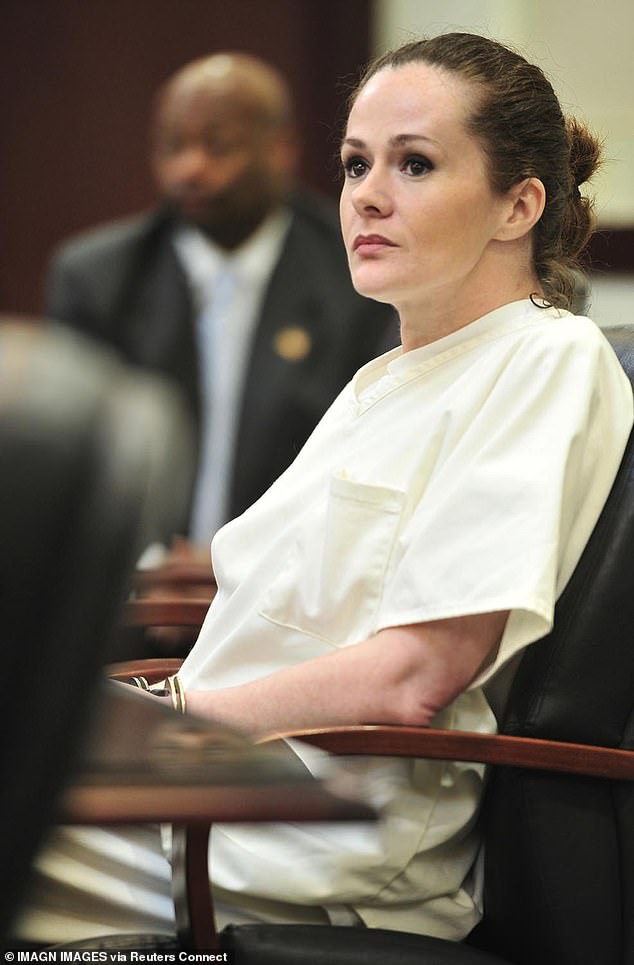
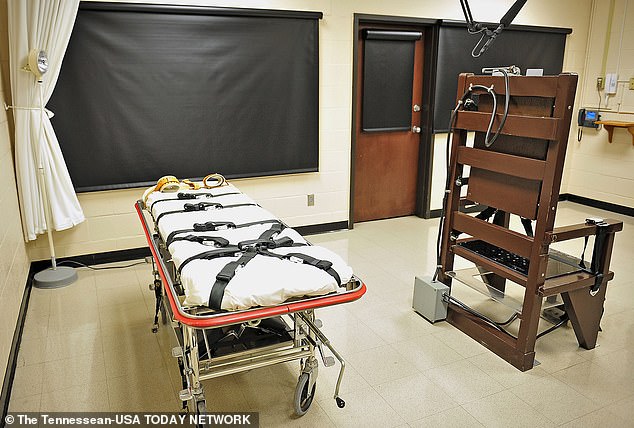
The case drew fresh eyes just before the failed attempt on September 30. This event mattered because Pike would have become the first woman executed by Tennessee in over two centuries. Officials raised the curtains at 7:27 pm to reveal her strapped to a gurney inside the chamber. In her final statement, she claimed she was leaving this world as she lived it, filled with love and peace. She spoke calmly while witnesses watched through the glass.
Yet something felt off inside that room. Pike stayed awake long after others expected her to be unconscious. At one point she lifted her head and asked if her arm should feel the way it did. It was unclear exactly what she meant by that question or why she asked it at all. By 8:26 pm, witnesses confirmed that a second dose of pentobarbital had been given because she showed no sign of death. She continued to snore softly behind the closed curtain until staff cut off the microphone at 8:53 pm.
The Tennessee Department of Correction released a statement saying they followed every lawful step approved by the Attorney General's Office. Their protocol includes a backup set of syringes if the inmate does not die after the first injection. But the rules do not explain what to do if the person is still alive after that second round. This failure marks the second time this year Tennessee could not carry out an execution. In May, officials canceled Tony Carruthers' lethal injection after IV lines failed for over an hour during a pentobarbital attempt. No executions have occurred in the United States since last Wednesday's botched incident.

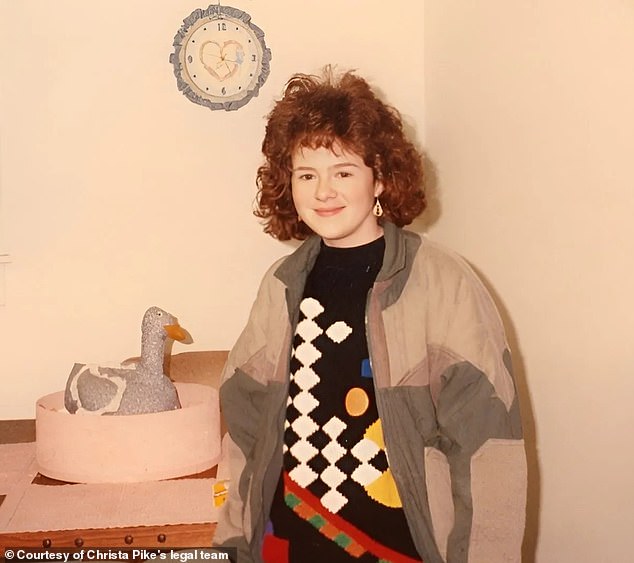
Pike never denied killing Slemmer in her petition but described herself as a mentally ill eighteen-year-old kid when the crime happened. She was pictured often as a teenager before this tragic end. Shipp admitted to his part in carving symbols into the victim's body while Pike faced the ultimate penalty alone. The state insists its actions were legal, yet questions linger about what happens when drugs fail to work as intended.
Photos