Mt. Hood Meadows Resort Closes Early Due To Wildfires
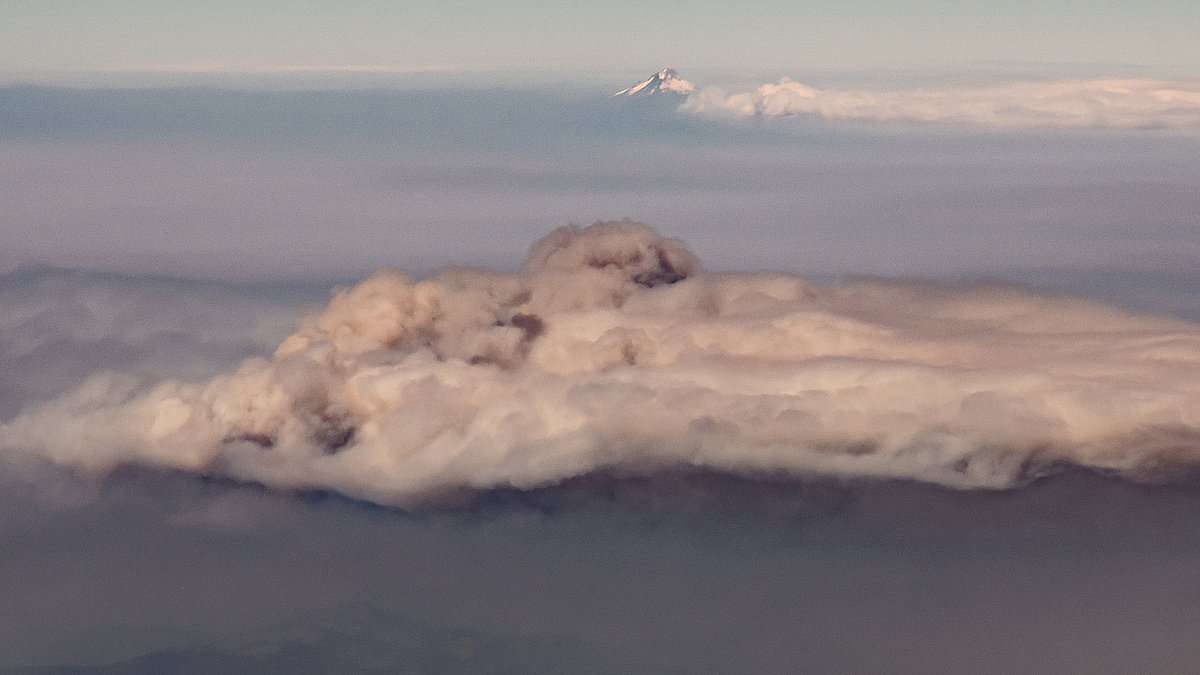
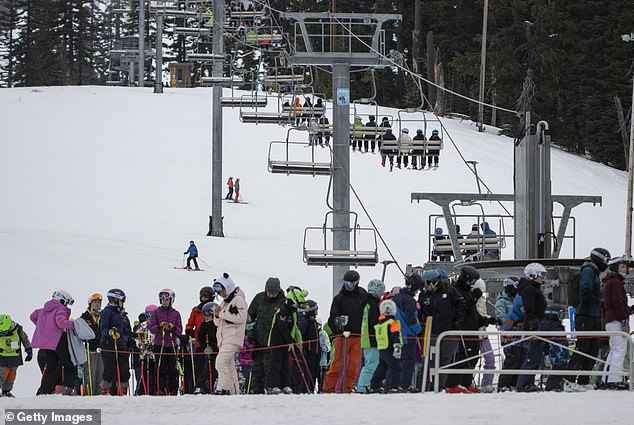
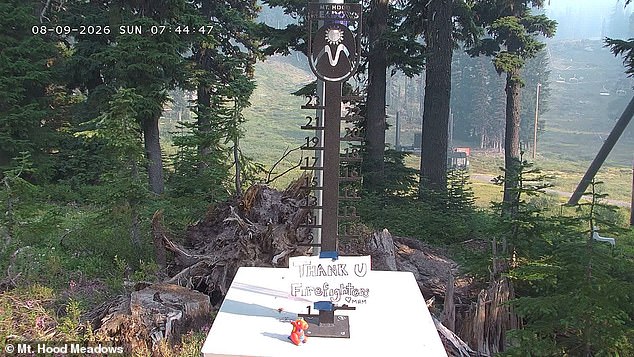
An iconic Oregon mountain resort famous for snowing even in high summer has been forced to shut its doors early because wildfires have stopped all skiing and snowboarding operations. Mt. Hood Meadows, a dual-season destination atop Mount Hood, declared Tuesday that it would remain closed for the remainder of the season after authorities issued a Level 3 evacuation order demanding immediate departure due to the Grasshopper Fire. By Friday afternoon, the blaze had already consumed nearly 87,000 acres according to InciWeb data, while containment efforts had only reached roughly 20 percent. The resort explicitly stated in their announcement that they understood this choice deeply impacts guests and staff alike, emphasizing that leadership did not make this decision lightly. They admitted the summer was never meant to end this way but insisted making the best of a tough situation is what they do best. Greg Pack, president and general manager, described the year as definitely a double-whammy since operations already halted early during ski season due to dangerously low snowpack levels. He acknowledged there has been a decent financial impact yet clarified that the facility is not in any real financial peril thanks to smart management and very low debt. Despite the smoke visible in background photos posted on their Facebook page, Pack confirmed they would provide space and support for firefighters battling the massive blaze by opening the parking lot to over 300 personnel setting up a spike camp. He urged everyone living nearby to respect all evacuation orders and strictly avoid entering areas closed off by both firefighters and the US Forest Service. Officials noted six homes and fifteen buildings were lost to the wildfire as of Wednesday, though damage assessments must take a secondary priority while crews actively suppress the fire. Evacuation notices remain in effect for parts of Hood River, Wasco, and Clackamas counties even as the resort expressed excitement to welcome everyone back once snow falls again this winter. The US Forest Service reported that the Grasshopper Fire was first spotted at 7:41pm on July 23, marking a tragic end to what should have been another great summer season.
Lightning struck. That is what authorities now say caused the massive wildfire tearing through Oregon.
Wasco County Sheriff Lane Magill faced a nightmare scenario at a community meeting in Dufur on Thursday night. He called it one of the most challenging fires he has seen from an evacuation standpoint in probably the last ten or fifteen years. KPTV reported his words plainly.
High winds fueled the flames. Rachel Brozobich, speaking for the Oregon State Fire Marshal Blue Incident Management Team, explained that recent gusts helped the fire gain dangerous energy. The blaze simply grew stronger with every breath of wind.
Marilyn Ronfeld, a county resident, felt the pain deeply. She called the situation devastating. The scorching heat hit places she had played in for forty years. Those were not just fields; they were memories burning away.
The human cost is staggering. As of Friday, more than 1,800 people were involved in the response effort. That number came from a National Interagency Fire Center report. It does not tell the whole story, but it highlights the sheer scale of the operation.
Resources poured in from everywhere. The response included forty-five firefighting crews, one hundred thirty-five fire engines, and eleven helicopters. Crews traveled thousands of miles to help. People from as far away as Australia and New Zealand are currently on the ground fighting the blaze.
The Australia/New Zealand Incident Management Team 1 arrived Tuesday. They will act as firefighters, helibase managers, or chainsaw specialists. Their arrival marks a global effort against a local threat. The Outlook noted their specific roles in the fight.
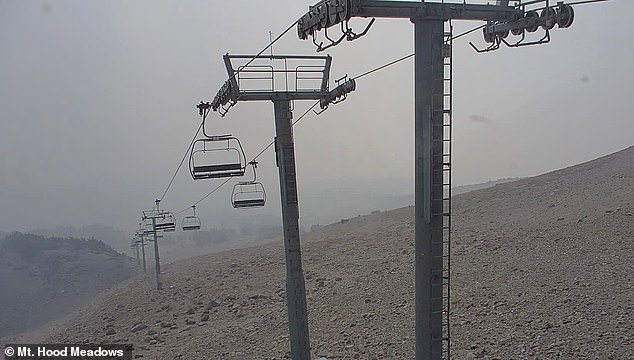
Timing matters here. High winds helped the Grasshopper Fire obtain more energy in recent days. An officer from the Oregon State Fire Marshal Blue Incident Management Team confirmed this danger. The wind was an invisible ally for the fire.
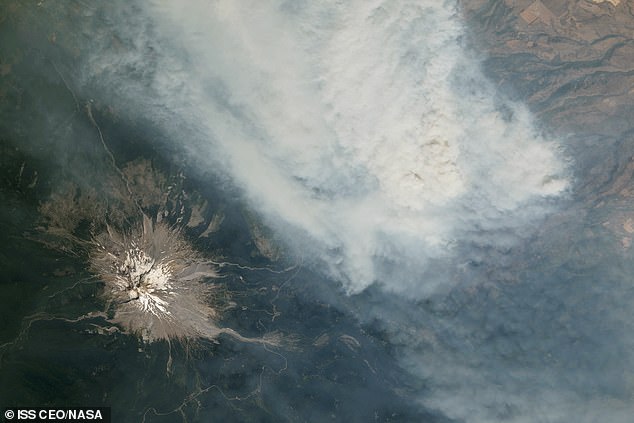
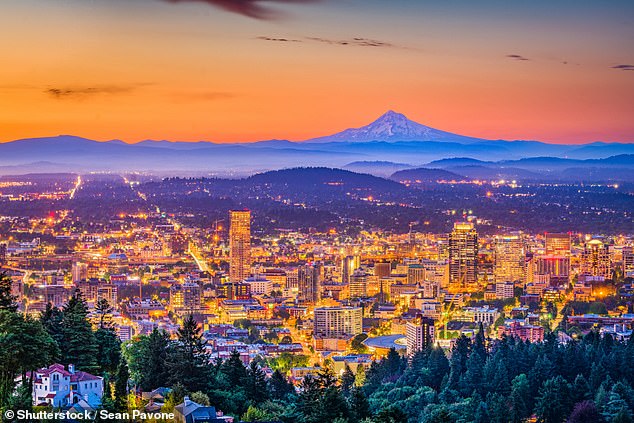
Location defines the risk. Mt. Hood Meadows resort sits about seventy miles east of Portland. That area is pictured with Mount Hood looming in the distance. Homes and livelihoods hang in the balance there.
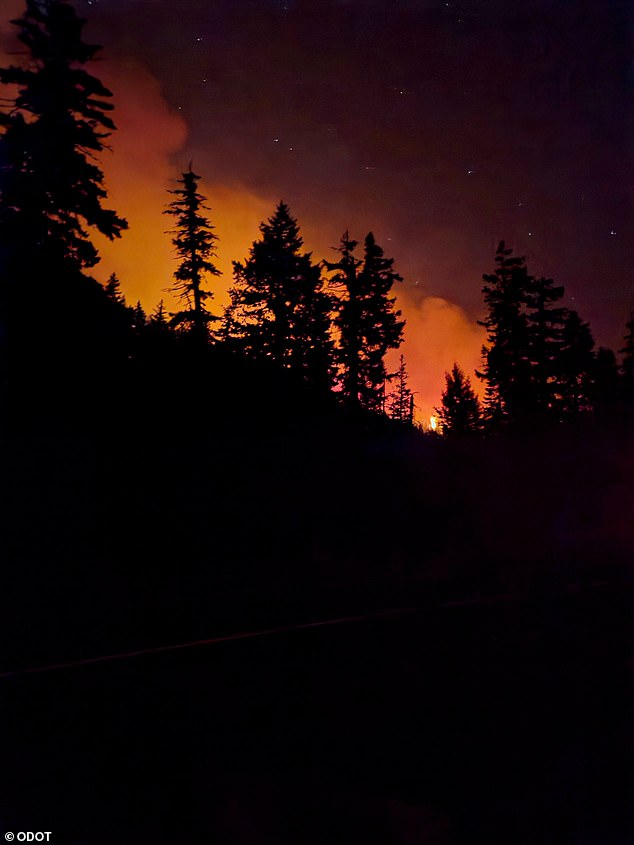
The timeline starts July 23. The Grasshopper Fire was first reported at 7:41 pm that evening. The US Forest Service tracked the initial spark. It began quietly, then exploded into a monster.
Science points to nature's fury. The Oregon State Fire Marshal has since said the massive wildfire was caused by lightning. No human error started this inferno. A natural strike ignited dry forests and hillsides.
Leaders moved fast. Gov. Tina Kotek signed an executive order on July 29. This granted the state fire marshal greater resources to battle the blaze directly. More power went to those fighting for survival.
Records were broken again. Oregon has experienced its worst year on record for land burned by large wildfires. KATU reported this grim statistic. More than 2.3 million acres have burned so far. That figure tops the previous record set in 2024. No one expected such a loss.
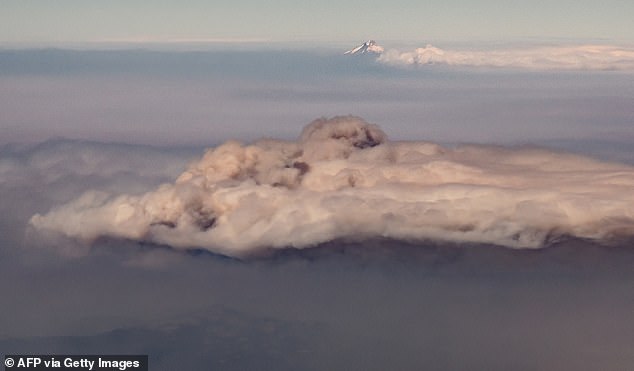
Drought made it worse. We know that ninety-six percent of Oregon or the northwest is in drought now. Some areas face really severe drought conditions. Jean Nelson-Dean, the Northwest Coordination Center's public information officer, told an outlet about these realities. She noted they were anticipating a very tough year. The facts supported her fears.
The Daily Mail has reached out to Mt. Hood Meadows for further comment. They want more details on this crisis. Information remains limited and privileged. Only those inside the incident command center know the full scope of the danger right now.
Photos