Millions of Britons Skip Blood Pressure Meds Due To Side Effects
Ethan Ennals reports on a troubling trend among millions of Britons taking blood pressure tablets every year. These drugs save lives by preventing deadly heart attacks and strokes. Yet studies reveal that nearly half of patients do not take their daily doses regularly. Around one in five people stop taking them entirely. Many older adults simply forget, but others quit because the side effects make life miserable.
Last week, Dr Ellie Cannon wrote about these unpleasant reactions for Mail on Sunday readers. Dozens of letters poured in with personal stories. An 82-year-old man said his pills caused swollen ankles and severe diarrhoea. A 62-year-old woman described a constant cough that felt like a frog sat in her throat. Another reader, a 74-year-old gentleman, complained about an urgent need to use the toilet all day long. Some admitted they had already stopped their medication because these problems were too hard to bear.
There are also growing fears about other health risks. An Israeli study last month found that patients using calcium-channel blockers faced a higher chance of developing kidney disease. Experts insist blood pressure pills remain safe and life-saving for most people. They do admit, however, that side effects can be very challenging for some individuals.
High blood pressure is measured with two specific numbers. The first number, systolic pressure, shows the force in arteries when the heart squeezes to pump blood out. The second number, diastolic pressure, measures the force when the heart relaxes between beats. This pressure builds up each time the heart beats and sends oxygen-rich blood to organs.
Professor Amitava Banerjee from University College London explains why many people dislike these medicines. He notes that high blood pressure has no obvious symptoms in the short term. Patients feel nothing but take drugs just to avoid future harm. The real benefit only appears over a long period. These life-saving treatments prevent arteries from becoming damaged and narrow over time.
Tablets are not the only path forward for patients struggling with these issues. Lifestyle changes can sometimes let people stop taking medication forever. Professor Banerjee says many assume they must stay on pills for life, but that is not always true. Some individuals can lower their blood pressure enough to drop the tablets completely through diet and habit adjustments.
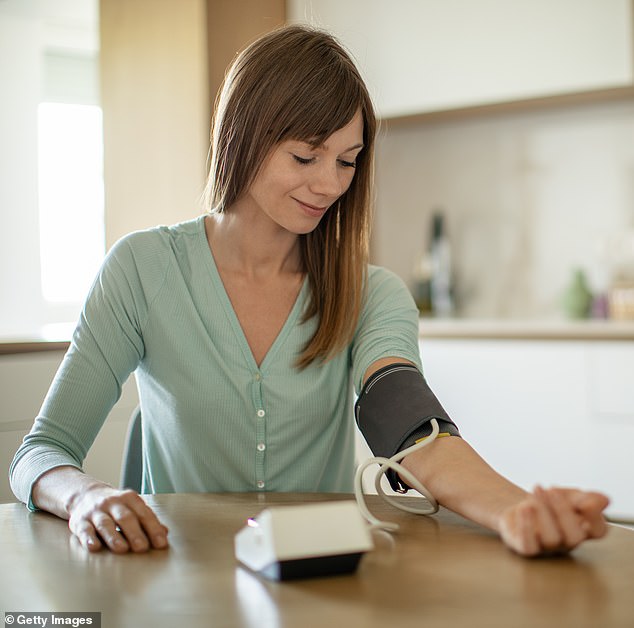
The second number in a blood pressure reading, diastolic pressure, measures force inside the arteries when the heart rests between beats. A standard result usually sits around 120 for systolic and 80 for diastolic, written as 120/80. Readings that stay consistently above 140/90 count as high blood pressure. This condition, also known as hypertension, is on the rise in the UK. Roughly a third of adults are believed to have it now. Studies suggest many patients do not know they have the problem.
Experts warn this situation is alarming because anyone with high blood pressure faces an increased risk of death. 'Hypertension is one of the most common causes of death in the UK,' says Professor Banerjee. 'That's why it is so important that it is treated.' Blood pressure pills aim to counteract this danger, usually by relaxing the walls of the blood vessels. Over time, more hypertension tablets have become available, yet studies show many carry side effects.
Some widely used tablets are ACE inhibitors like ramipril or lisinopril. Research has shown these can trigger dizziness, lightheadedness and a dry, tickly cough. Another common type includes calcium-channel blockers such as amlodipine. These drugs were recently linked to a heightened risk of kidney disease. More often they cause headaches, facial flushing, constipation and swelling of the ankles and legs. Then there are diuretics like indapamide which lower pressure by making patients urinate more. This can be unbearable for many people who struggle with the constant need to use the toilet.
Experts say anyone facing tough side effects might lower their dose or switch to another drug. They also note that many patients overlook a different alternative: lifestyle changes. 'If you get side effects that are tough to live with, then lifestyle changes are an option,' says Professor Raj Thakkar, president of the Primary Care Cardiovascular Society. 'And these changes aren't just for those who want to come off the drugs. Everyone with high blood pressure could benefit.'
One key step to lowering pressure without drugs is losing weight. Carrying extra pounds puts additional strain on the heart, forcing it to work harder to pump blood around the body. This translates directly into higher blood pressure. A 2013 US study found patients who lost a tenth of their body weight could stop taking at least one hypertension drug. 'If you are overweight or have a raised BMI, you are more likely to have high blood pressure,' says June Davison, cardiac nurse at the British Heart Foundation. 'Losing weight, even a modest amount, can make a real difference.'
Weight loss takes time though. In that US study it took patients about a year to lose a tenth of their body weight. But one lifestyle change can lead to significant pressure reduction within weeks: slashing salt consumption. 'We know that if you eat too much salt it holds on to water and this pushes blood pressure up,' says Ms Davison. The problem is not really the salt you add yourself at the table.
The North West holds the grim distinction of having the highest rates of high blood pressure in the entire UK, with roughly 16 per cent of adults registered with a GP suffering from the condition. The root cause often lies hidden in kitchens rather than salt shakers. About 80 per cent of daily salt intake for the average Briton comes from processed foods, ready meals, and cured meats. Only seven per cent originates from salt sprinkled directly onto food at the table.
Experts warn that the majority of this excess load is carried by packaged goods. Pizza and pre-made lasagnes are prime offenders where sodium really adds up. Cutting back on these items can drop blood pressure to healthy levels in less than a month for those eating too much salt. The strategy involves going for a low-salt diet overall while reserving the freedom to season your own food if you wish.
Diet is only half the battle. Boosting fruit and vegetable consumption plays an equally vital role in coming off medication. Eating plenty of produce helps circulation, so aim for five portions a day. Switching to such a diet can lead to a significant reduction in blood pressure within just two months. Another major factor involves alcohol. For moderate-to-low drinkers consuming two or fewer drinks daily, lowering intake has a marginal impact. However, for those exceeding that limit, eliminating alcohol creates a marked effect. The numbers get even starker at six drinks a day, where the impact is profound and can occur within weeks.
Ideally, people should avoid alcohol entirely or keep it to an absolute minimum. If consumption happens, stay under 14 units a week, roughly six medium glasses of wine or six pints, and spread those drinks out over the week rather than bingeing in one or two sessions. Try to have two or three days off in between drinking periods.
One lifestyle change neglected by many hypertension patients, particularly those over 65, is regular exercise. This could be the deciding factor between getting off tablets or staying on them forever. Regular aerobic activity like running, swimming, or cycling has the most sizeable effect on blood pressure. Interestingly, research suggests physical activity does not need to be intensive to work. You want about 150 minutes of moderate-intensity aerobic activity a week. For older people or those with mobility issues, anything is better than nothing. This might mean breaking down that goal into ten-minute chunks, little and often. Anything that gets your heart rate up counts, even dancing.
Exercise does not offer instant relief, though. It typically takes one to three months of consistent activity before benefits show up in blood pressure readings. Finally, experts point out a factor many patients overlook: mental health. Tackling stress, anxiety, and poor sleep can get blood pressure down without the need for tablets. A major study published by the American Heart Association in 2020 found that a six-week mindfulness programme led to sustained reductions in blood pressure even after the course ended. Stress creates an adrenaline response where your heart rate goes up as a result. Poor mental health can also affect other habits, causing people to put off going for a walk or eating well, which pushes blood pressure higher.
Experts warn that lifestyle adjustments often fail to let everyone stop taking their blood pressure pills entirely. While these changes work well for some, they do not solve every case. Older patients face a harder road because significant shifts in diet and exercise become much more difficult with age. Some individuals simply have stubbornly high readings even after making massive efforts and sticking to their medication schedule.
But many specialists argue that far more people could quit these drugs if they committed fully to changing their habits. Professor Thakkar says the process takes time and dedication, yet it can actually lower blood pressure significantly. 'Hypertension is so prevalent in Britain and patients can't rely on treatment from the NHS alone to get their levels down,' he states. He insists it rests with the individual patient to take action. With proper guidance, success is definitely possible.
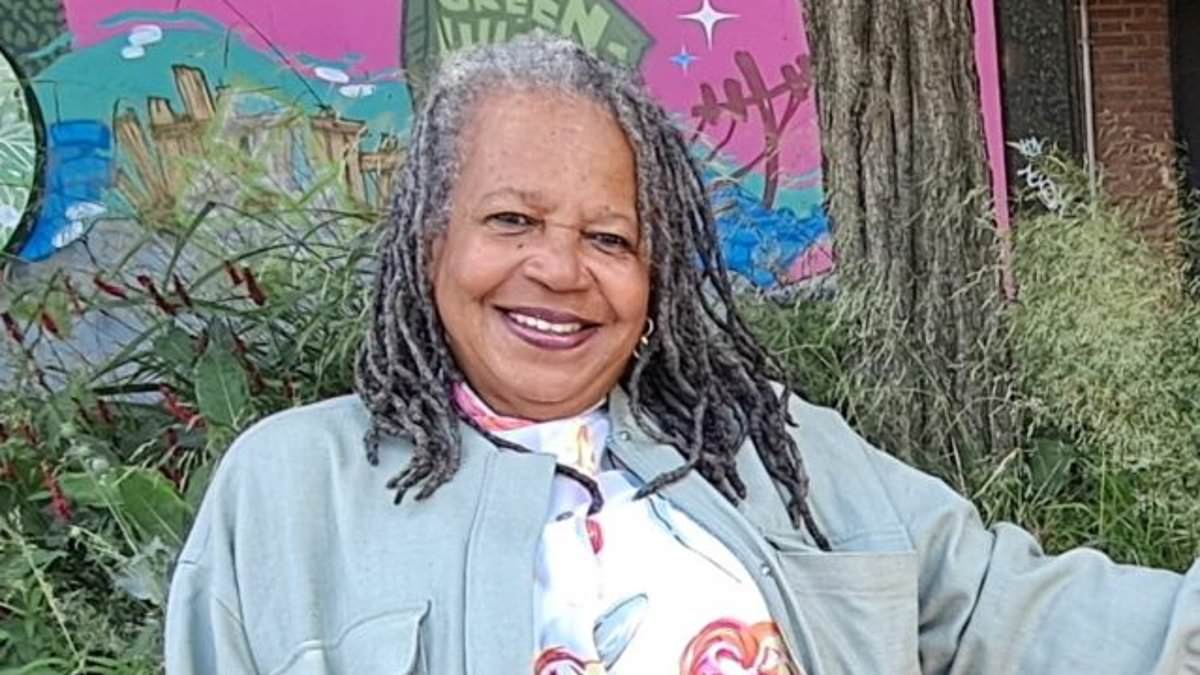
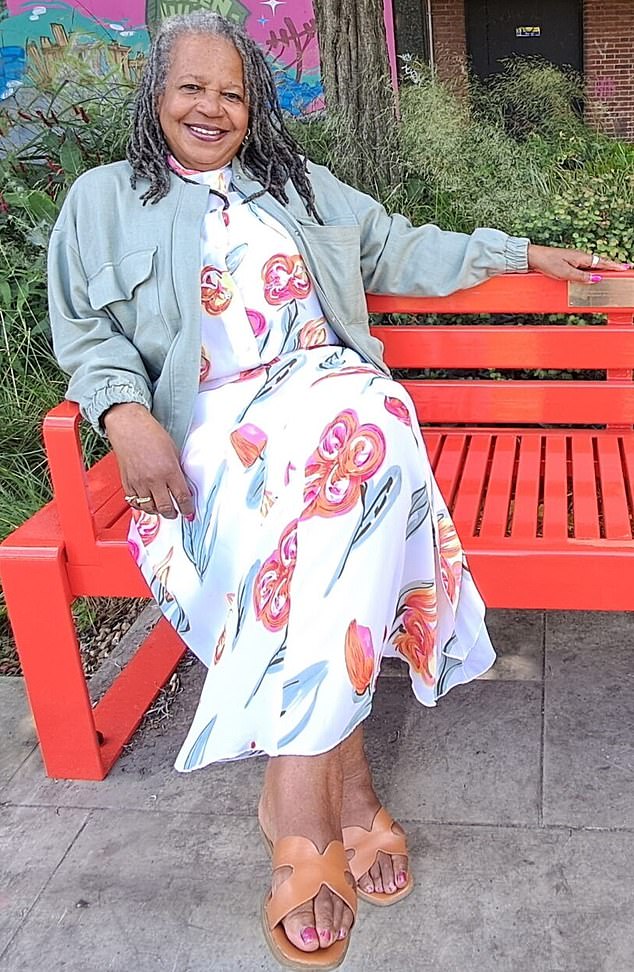
Bettina Wallace is one woman determined to stop taking her medication because of swollen ankles caused by side effects. The 73-year-old charity worker from Nottingham never expected high blood pressure given her family history. She always believed she ate well and lived an active life. That belief shattered in 2010 when her GP told her her numbers were dangerously high. 'I was really surprised,' she admits. 'I always thought I was healthy.'
She started on pills but also made big changes like joining exercise classes and walking to work every day. Bettina notes that cutting salt intake proved the biggest challenge for her. She explains that a lot of Caribbean food is very salty. It took time to get used to cooking without adding too much salt, yet she knew it was important. Today her blood pressure sits within a healthy range.
She wants to come off the medication eventually. 'I know people who have maintained their healthy blood pressure through good diet alone,' she says. 'It's something I'd like to try.' This story shows that changing one's diet can indeed lead to healthy levels, as Bettina herself experienced.
Some patients face a different reality where their numbers just will not drop despite all efforts. Doctors call this condition resistant hypertension. Experts say these individuals usually have a separate underlying health issue driving the problem up. Professor Raj Thakkar explains that the first step is checking if patients take their drugs exactly as instructed. 'We do this by testing their urine to see if their drugs are present,' he notes.
If tests show the medication is in their system, doctors then hunt for secondary causes. These might be a heart defect or a hormone condition or kidney disease. Once the team identifies that specific medical problem, they can treat it directly. This approach should get blood pressure down for those struggling with resistant cases.
Photos