Mike Johnson Concedes After Democrats Secure Historic House Majority

The hammer has dropped. House Speaker Mike Johnson, the man who held the gavel through some of the most turbulent years in modern legislative history, has conceded. He will not seek the Minority Leader post. The November midterms delivered a bruising defeat for his party, stripping Republicans of their grip on the House and handing President Donald Trump a stark check on his authority for the remaining two years of his term.
Democrats are riding a wave of blue victories. Projections point to a historic 255-seat majority, a number that continues to climb as final votes are tallied. For the GOP, the situation is dire. They are left virtually powerless in the chamber they once commanded.
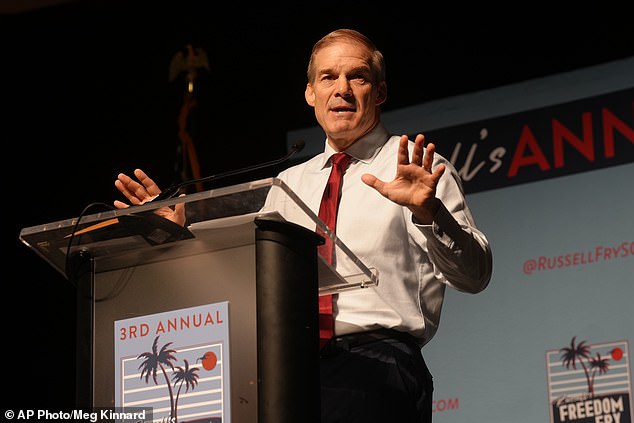
The atmosphere in Washington has shifted from defensive maneuvering to open hostility. Incoming House Oversight chairman Robert Garcia didn’t mince words after the results came in. He issued a blunt, two-word warning to the administration: "Lawyer up." It is a clear signal that Democrats intend to wield their restored subpoena power with surgical precision, targeting Trump, First Lady Melania, his inner circle, and even his family members. The prospect of a barrage of legal challenges is now a concrete reality, not just a rumor.
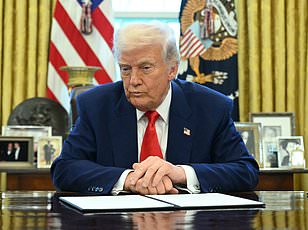
The chaos has already sparked a scramble for survival among Republicans. Jim Jordan, the Ohio firebrand and current Judiciary Committee chair, was the first to stake his claim. He declared his intent to seek the party’s top post immediately. Jordan is known for his aggressive fundraising and heated investigations. But his path to power is far from smooth. His former allies in the Freedom Caucus have turned on him in recent years, and he already failed in his bid for speaker three years ago. Building consensus for Tuesday’s ballot will be a steep climb for a man who thrives on conflict but may lack the unity needed to lead.
He won’t be alone in the fray. Steve Scalise, the Louisiana Republican currently serving as Majority Leader, has also entered the race. With Johnson stepping aside, Scalise is positioning himself to lead the significantly diminished GOP conference next year. The internal fight for direction is just as intense as the external pressure from Democrats.

The battle isn’t limited to the top spot. A challenge is brewing for the second-highest leadership position. Representative August Pfluger has launched an assault on Tom Emmer, the Minnesota Republican who currently serves as House Majority Whip. Emmer is the third-ranking member of the chamber, and his job security looks shaky at best.
Democrats are hell-bent on opening corruption investigations into every corner of the administration, including Trump’s personal life. A potential third impeachment investigation is also on the table. The final two years of Trump’s presidency look set to be a rocky, gridlocked nightmare. Spending battles, legislative standoffs, and more government shutdowns are likely to plague Washington.
How did this happen? The numbers tell the story. Democrats needed just four net flips to take control, entering Election Day with a slim 218-212 majority. They blew past that threshold. Early flips in key House races across North Carolina, New Jersey, and Pennsylvania powered the comeback. The fuel was widespread dissatisfaction with Trump’s leadership and the relentless pain of rising living costs. For now, the Republicans are reeling, and the Democrats are ready to strike.
Photos