Michelle Obama Asks Jon Stewart If Comedy Hurts Politics
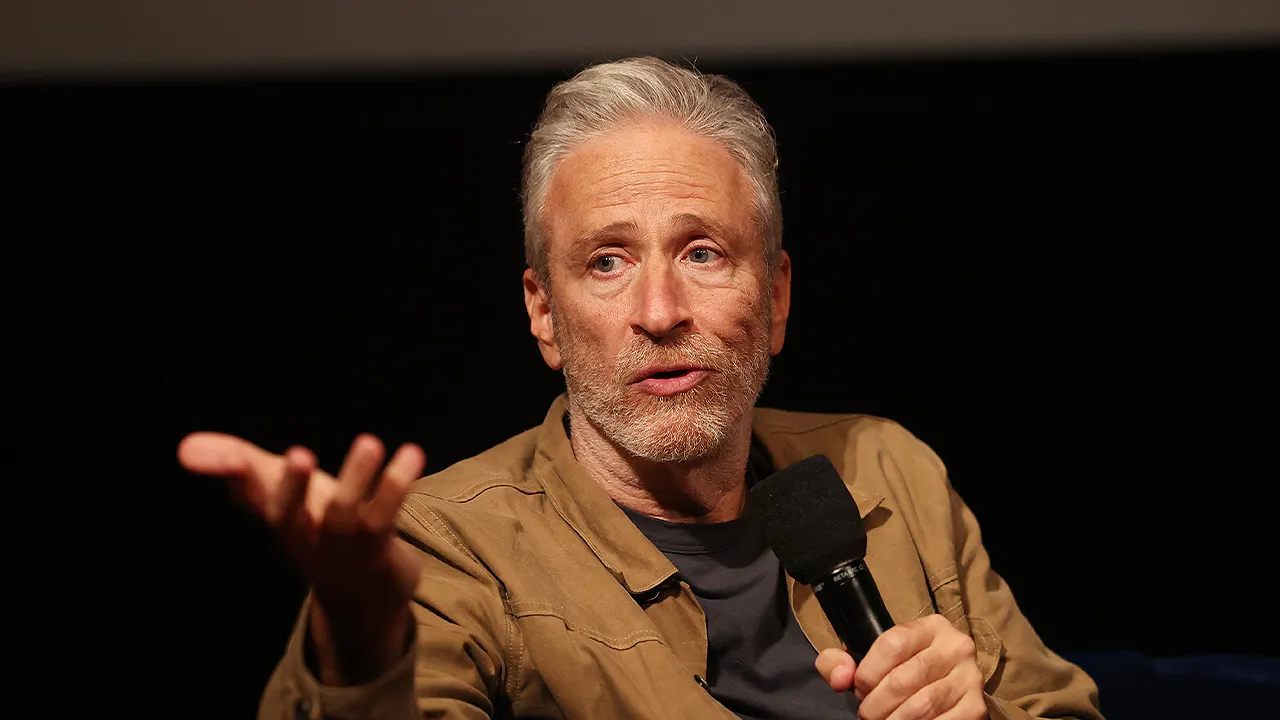
Talk show host Jon Stewart sat down with former first lady Michelle Obama to discuss something heavy. They met Wednesday for her "IMO" podcast. Stewart told her he is unsure if programs like his have done more good or harm for the nation. Obama opened the conversation by asking if it is healthy for young people to get their news from "The Daily Show." She wondered what his thoughts were on that matter.
"Do you think comedy helps or hurts the political climate?" she asked him directly. "I wonder what you think, because sometimes I think, 'Is it good that most young people are getting their news from The Daily Show?' Or that they, you know, they want you to run for president?"
Stewart started by questioning his own show's impact. He admitted late-night shows are becoming a relic of the past. Jimmy Kimmel recently faced similar criticism regarding his role as a comedian. Stewart compared the current situation to running a Blockbuster video store inside a Tower Records. He noted social media has changed everything, forcing even his show to adapt just to reach more viewers. Experts say long-form podcasts have replaced the traditional late-night format.
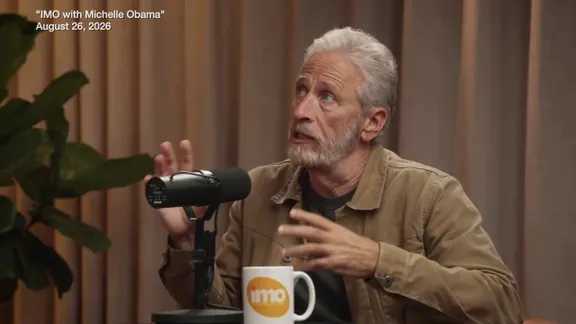
Stewart said he learned not to confuse cultural power with actual power. That distinction matters. He appreciated how cathartic these shows can be for fans. But he felt the format itself was somewhat impotent now. It might even act like an opiate for American citizens. "Is it an opiate?" he asked. "Is it creating a, you know... And having worked on some of those things on Capitol Hill and all that, I know the difference now, which I didn't before." He explained the gap between activists working day-to-day on justice and others trying to bend that arc back the other way.
He expressed curiosity about a double-blind study of his work. "Like, does this help? Does it corrode? Does it pervert?" he asked. "Is it something to be, is it ultra-processed, you know, food that's given the country a kind of political diabetes? I don't know." He felt they must try their best in bad faith situations without being malicious. Any good art entering the universe feels like a win to him. "There's so much bad faith," he warned. Yet he could not honestly say his twenty-five years were a clear victory for society. Many people on social media would disagree with that assessment.
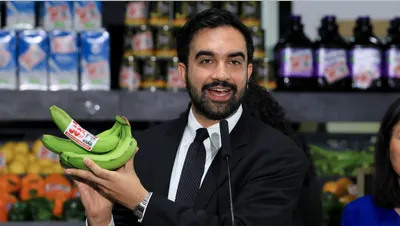
Tim Graham, executive editor of the NewsBusters division at the Media Research Center, agreed Stewart was right to question this dynamic. "The concept of Americans getting their 'news' from comedy shows is always a terrifying prospect," Graham said. He used Stewart's food metaphor to describe political comedy as a Twinkie rather than a bran muffin. People on such a diet can hold very distorted views. One might think Sarah Palin actually said, "I can see Russia from my house."
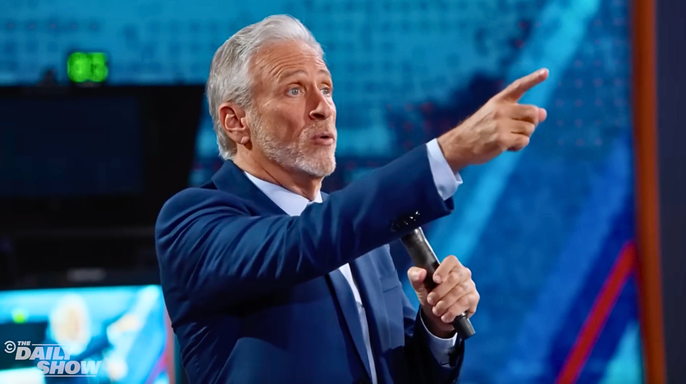
Graham compared late-night comedy to an opiate because the audience uses it to process anger over Trump winning the White House again. In 2024 alone, these shows devoted 82% of their political jokes to Trump and Republicans. It was a little funny that they were discussing partisan hackery on Michelle Obama's podcast. The Obamas have been the most fawned-over couple in modern American media history. This contrast highlights how different groups view entertainment versus information today.
Late-night television hosts operate under a strict code of conduct that forbids them from using the so-called "Michelle principle." This phrase refers to the idea that when an opponent resorts to dirty tactics or attacks personal character, one should respond by staying on message and raising the level of discourse. Instead of getting low, comedians choose to go high.
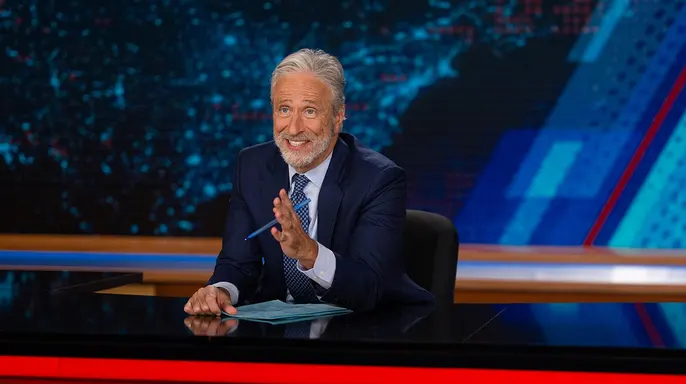
They avoid throwing insults back at political figures even when those figures launch vicious campaigns against them. The goal is to keep the focus on policy rather than personality flaws. This approach distinguishes comedy from partisan warfare in real time.
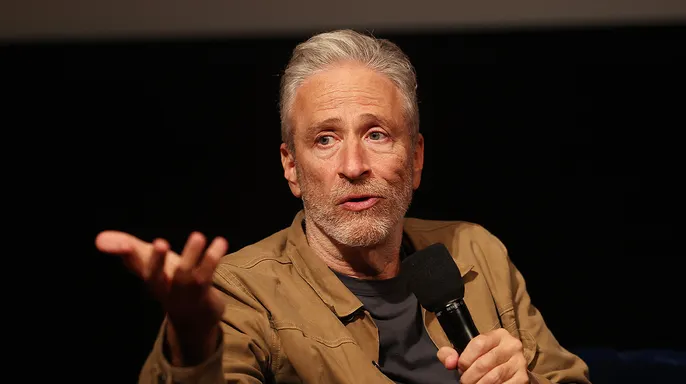
Critics argue that this self-imposed restraint protects the integrity of entertainment media. However, some wonder if it allows politicians to feel unchecked by their worst behaviors. If comedians never retaliate when attacked personally, does that silence create an imbalance?
The impact on public discourse remains a topic of debate among observers. Communities rely on honest voices that can call out bad actors without fear of retribution. Yet the line between humor and harassment is often thin in today's political climate.
Photos