Mbappé Apologizes for Mao Zedong Comment After Backlash in China
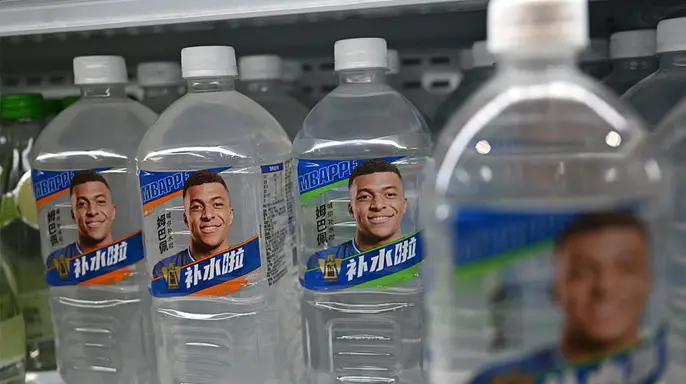
Most athletes keep their heads down when it comes to China. Those who speak up usually spend the rest of their careers apologizing for it. Kylian Mbappé is the newest case in point.
The French soccer star issued an apology on Tuesday. It followed a viral video where he discussed a meme placing his face on the image of Mao Zedong. Mbappé called Mao a "dictator," a subtle nod to his own nickname on the pitch. He now regrets that word choice.
"My comment was ill-judged, and I now understand that it hurt many people in China and in Chinese communities around the world," Mbappé wrote. "I apologize to everyone my words have upset. I have deep respect for the Chinese people and their history, and I am sincerely sorry."
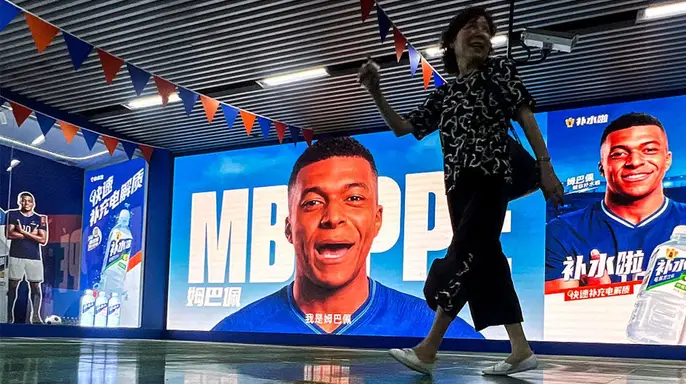
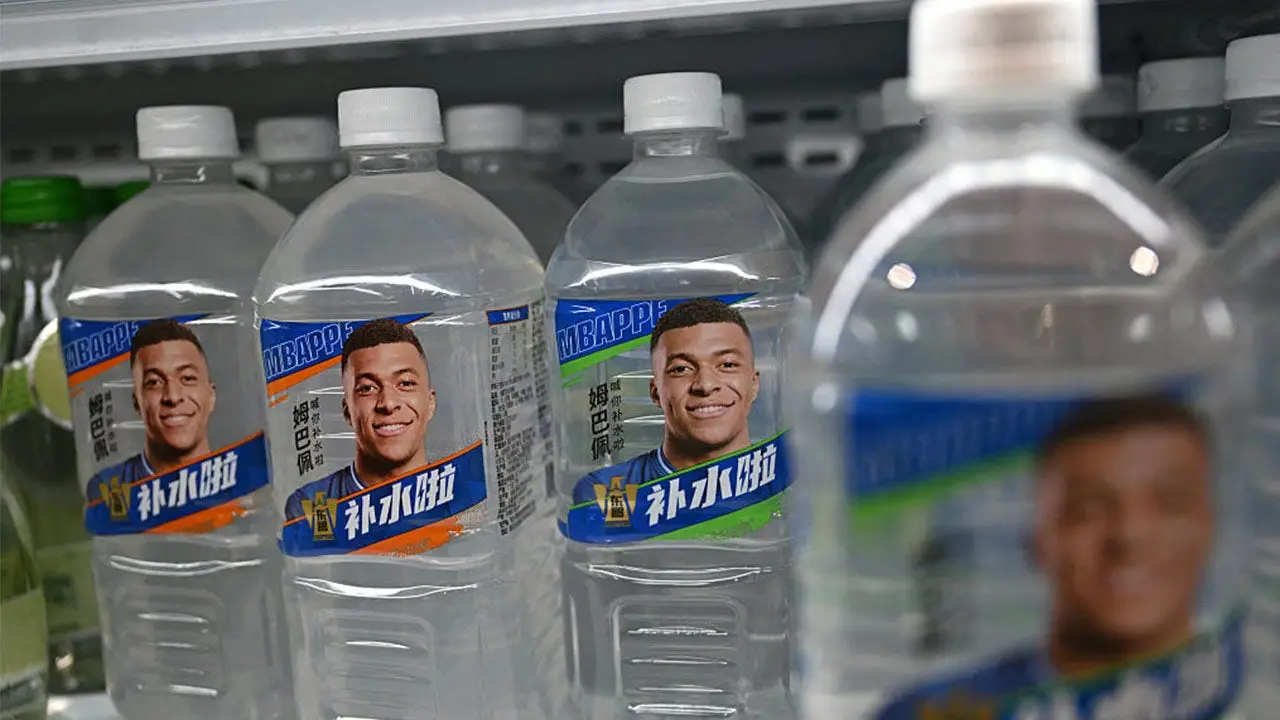
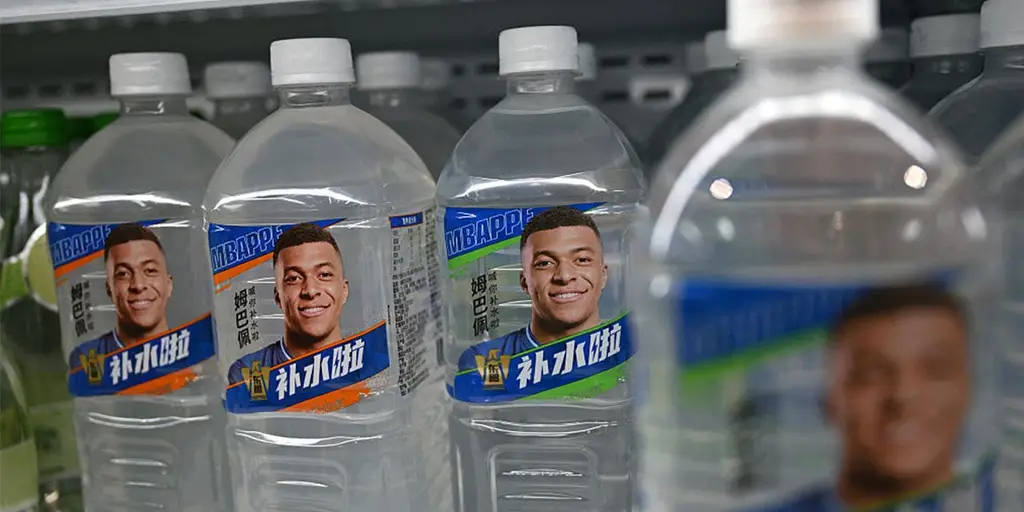
Business consequences hit hard and fast. Several Chinese companies cut ties with Mbappé immediately. Chinese state broadcaster CCTV suspended its coverage of La Liga. The league itself had to jump in and apologize to save face.
"La Liga deeply regrets the offense caused by Kylian Mbappé’s recent comments among Chinese fans. These comments were made in a personal capacity and do not represent LALIGA. To the extent of our institutional responsibility, we apologize on behalf of LALIGA and all its clubs," the league statement read.
We see this pattern everywhere. Athletes claim to be courageous spokespeople for freedom. Then they hit the wall of Chinese state power. They fold.
LeBron James offers a stark example. In 2018, he declared he "won’t be silent on social issues" because he is "more than a basketball player." That bravery vanished when the topic turned to China.
In 2019, Houston Rockets general manager Daryl Morey posted an image on Twitter, now X, supporting pro-democracy protesters in Hong Kong. The message read, "Fight For Freedom. Stand With Hong Kong." James responded by labeling Morey "misinformed" and "not really educated" on the situation. He warned other NBA players to think twice before speaking.
"And so many people could have been harmed, not only financially, physically, emotionally, spiritually," James said. "So just be careful what we tweet and say and we do. Even though, yes, we do have freedom of speech, there can be a lot of negative that comes with that, too."
The warning landed. James Harden, then a Rockets star, apologized for Morey’s post. "We apologize. We love China. We love playing there," Harden said. Kyrie Irving, Stephen Curry, and other NBA stars largely stayed silent. They rarely criticized China during the controversy, despite frequently denouncing American conditions.
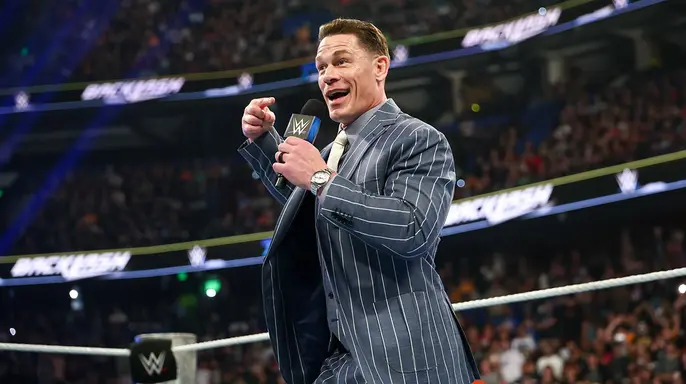
John Cena showed similar obedience in 2021. While promoting *Fast & Furious 9*, he referred to Taiwan as a "country." Chinese officials objected because Beijing claims Taiwan is its territory. Cena uploaded a video apologizing to China, speaking in Mandarin.
Tennis player Taylor Townsend also bowed down last year. She criticized food served during the 2025 Billie Jean King Cup in Shenzhen. She looked at a dish featuring sea cucumbers and asked, "What the hell? This is crazy. I have never seen one of these up close, especially not to eat."
After Chinese viewers criticized her comments, Townsend backed down. "There is no excuse. There are no words. I will be better. I truly apologize," she said.
None of those apologies were warranted. The people of Hong Kong deserve freedom. Taiwan should be recognized as its own country.
Critics often dismiss unfamiliar cuisines as bizarre. That judgment misses the bigger picture. Mao Zedong was a dictator. His ruthlessness matched Adolf Hitler and Joseph Stalin.
Apologies from athletes ring hollow. They scream cowardice. These figures lack true bravery. The Chinese market pays well. Silence buys comfort. Apologies secure contracts.
Shaming America costs nothing. There is zero risk in that rhetoric. But when real danger looms, the spine breaks. They kneel before the Chinese Communist Party. Fear wins out.
Kylian Mbappé is the latest example.
Photos