Mayor's City Stores Face Backlash Over Displacing Local Bodegas
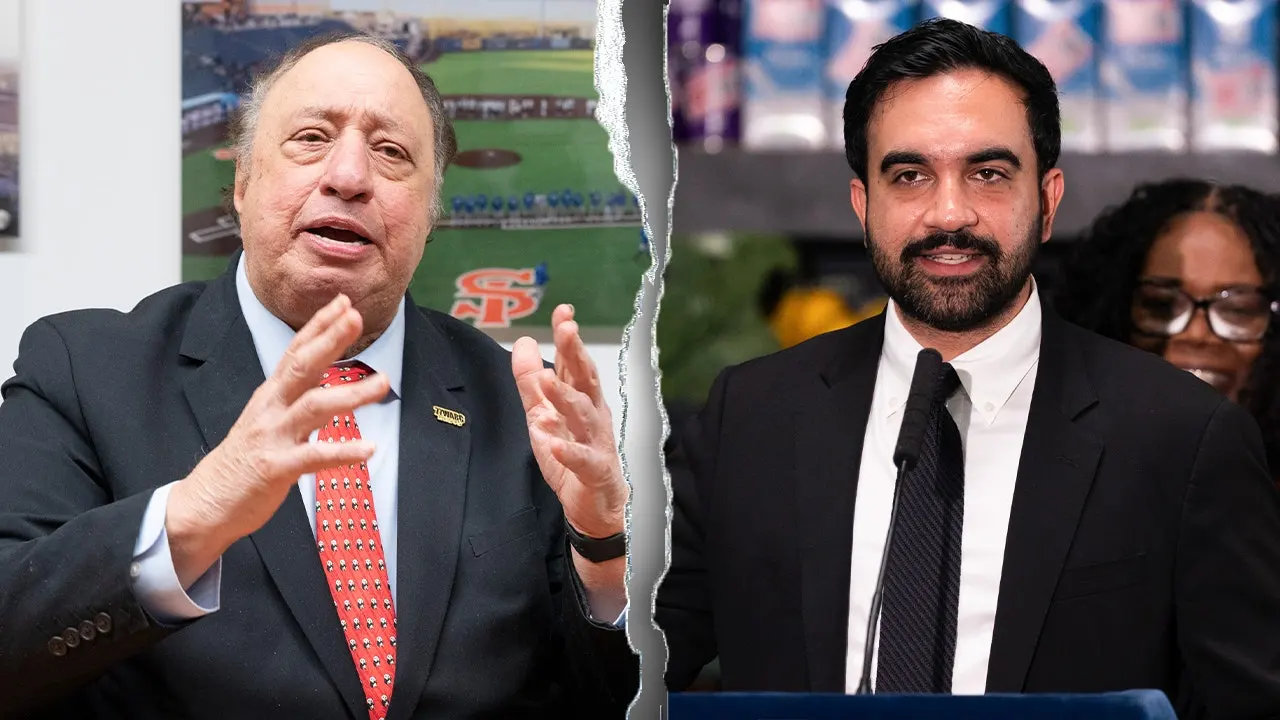
Mayor Zohran Mamdani is pushing forward with a plan to launch five city-run grocery stores across New York City, yet one of the largest supermarket owners warns that these shops will not feed the hungry but instead push local bodegas off the street. John Catsimatidis, CEO of Gristedes, told Fox News Digital that the real victims are the current supermarkets and corner stores already serving those neighborhoods. He asks a simple question regarding this policy shift: for whom do the bells toll?
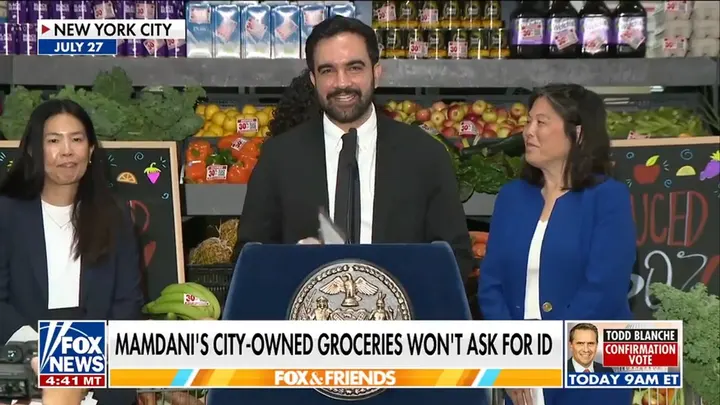
The mayor announced in July that the first location would open late next year in Hunts Point within the Bronx. His goal is to have all five sites operational before his term concludes in 2030, and he has assigned an eye-watering $70 million capital budget to the project. The government-run shops will offer a thirty percent discount on a core basket of everyday items like meat, seafood, and fresh produce to combat the affordability crisis plaguing the city.
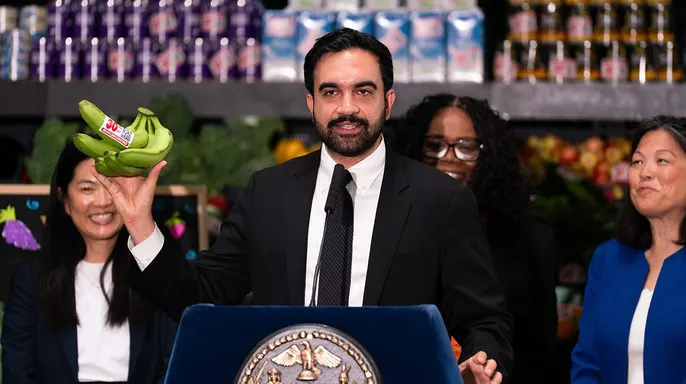
Every week, New Yorkers walk into a grocery store hoping prices have not gone up again. A trip to buy food should not spell dread for families, according to Mamdani. The administration has vowed to cover property taxes and rental costs at each location while accepting applications from private operators who want to manage the logistical challenges of running these stores. Catsimatidis argues this decision puts local business owners at a distinct disadvantage because they must pay rent and taxes while city entities do not.
If I do not pay any rent or real estate taxes, I can bring down product costs by twenty percent across the board, he noted. Local storekeepers face expanding hurdles aimed directly at their bottom line as outside vendors rely on online commerce to reach consumers in the Big Apple. The average grocery store operates with a profit margin of just one to three percent while dealing with these pressures. Outside companies ship products in by mail and can afford lower prices, forcing local businesses out of operation.
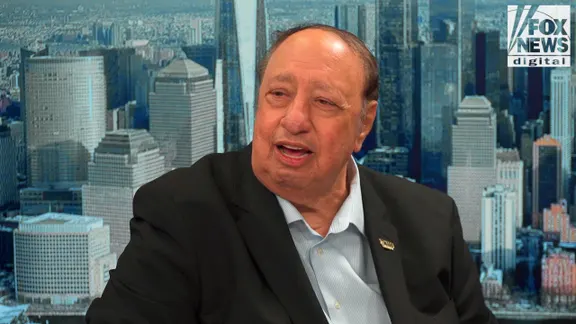
New and increasing costs including congestion pricing and rising electricity bills are cutting business owners off at the knees. The big picture is that five stores in five boroughs is only good for public relations, not really helping the hungry. Congestion pricing enacted in January 2025 puts a premium on deliveries traveling south of 61st Street in Manhattan. When I want stuff delivered from vendors in New Jersey or Suffolk County, they charge me ten to fifteen percent more just because the goods must enter the city.
Half the stores down the streets are empty now, which is horrible for anyone trying to survive in this economy. Catsimatidis says the current strategy might not even last a year under such heavy financial burdens. The situation highlights how policy choices can reshape the retail landscape before local entrepreneurs have a chance to compete fairly against subsidized competition.
Now my neighborhood has empty shelves. The answer to bringing affordable groceries to residents without strangling local businesses isn't a simple black and white line. Yet David Catsimatidis is offering his own path for how Mayor Mamdani's administration can walk that tightrope.
"If they're not given credits to reduce their prices, then they're going to be hurting," Catsimatidis said. "If you want me to lower the price of eggs, well maybe I'll lower the price of the eggs by a dollar a dozen. But maybe [the city] will give me a dollar a dozen credit toward my real estate taxes."
"If you want to lower the prices for all Americans, all New Yorkers, well let's do it right and lower it in all five boroughs," he added.
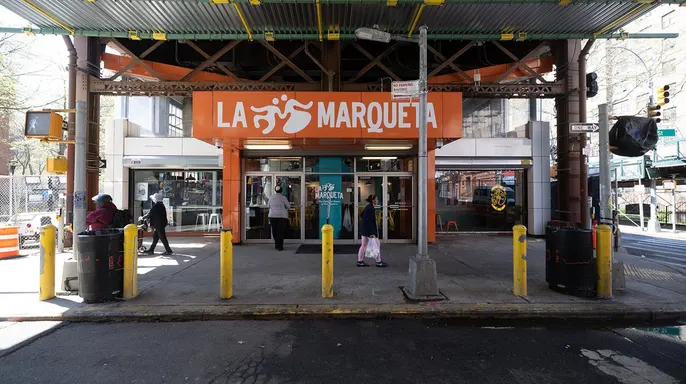
Mamdani's rollout of these city-run grocery stores has drawn critics. Nevin Cohen, director of the CUNY Urban Food Policy Institute, insists New York City desperately needs officials to fight food insecurity among its residents.
"The problem is that many people can't afford food for their families," Cohen told Fox News Digital. "1.4 million New Yorkers are food insecure, which means that they're unsure whether they have enough money to put food on the table. Twenty percent of New Yorkers depend on SNAP benefits or federal food subsidies to put food on the table for the family."
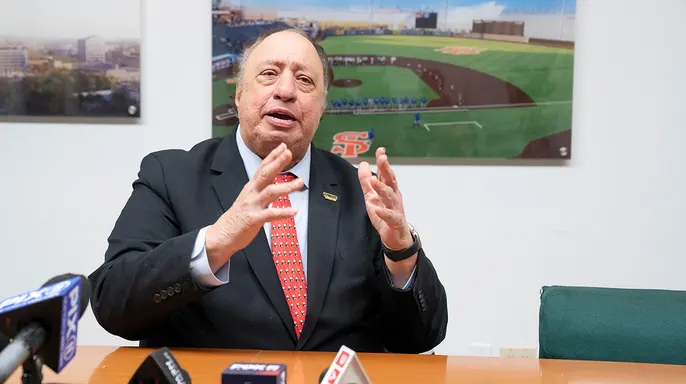
Cohen also pointed to an existing program titled FRESH, which aims to identify food deserts within New York City.
"It provides tax incentives and zoning incentives to encourage new supermarkets or the expansion of existing supermarkets in neighborhoods deemed to be underserved by food retail," Cohen said.
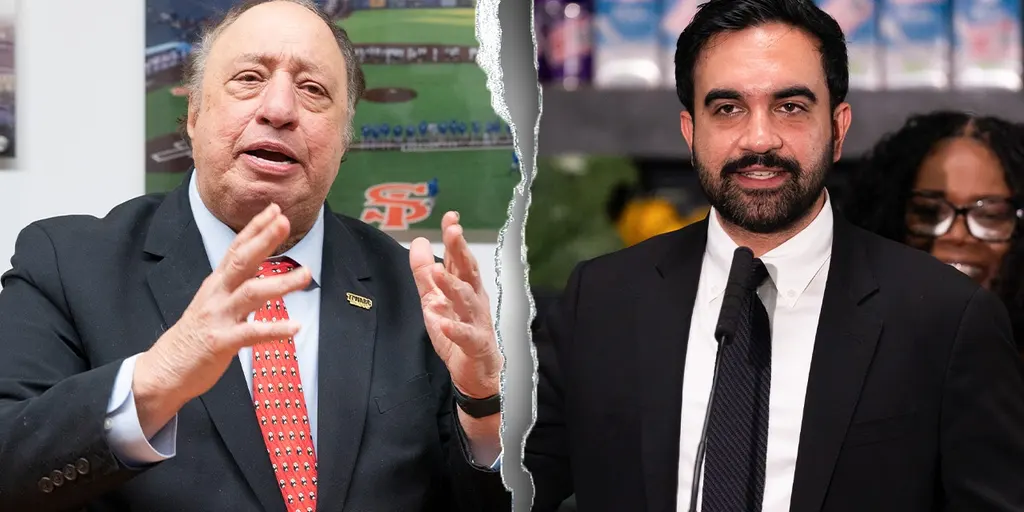
While Catsimatidis agrees the city-run grocery stores are being placed in neighborhoods throughout the city that would serve lower-income residents, he remains worried about the impact the shops will have on businesses in the immediate area. He also points to Mamdani's democratic socialist platform as a factor in this tension.
"You're competing against your own citizens, and that's only done in socialist countries," Catsimatidis told Fox News Digital. "Look at socialist countries, nobody's breaking down the walls to get in, but they're all breaking down the walls to get into the United States of America.
Photos