Massachusetts lifts all abortion restrictions through state birth
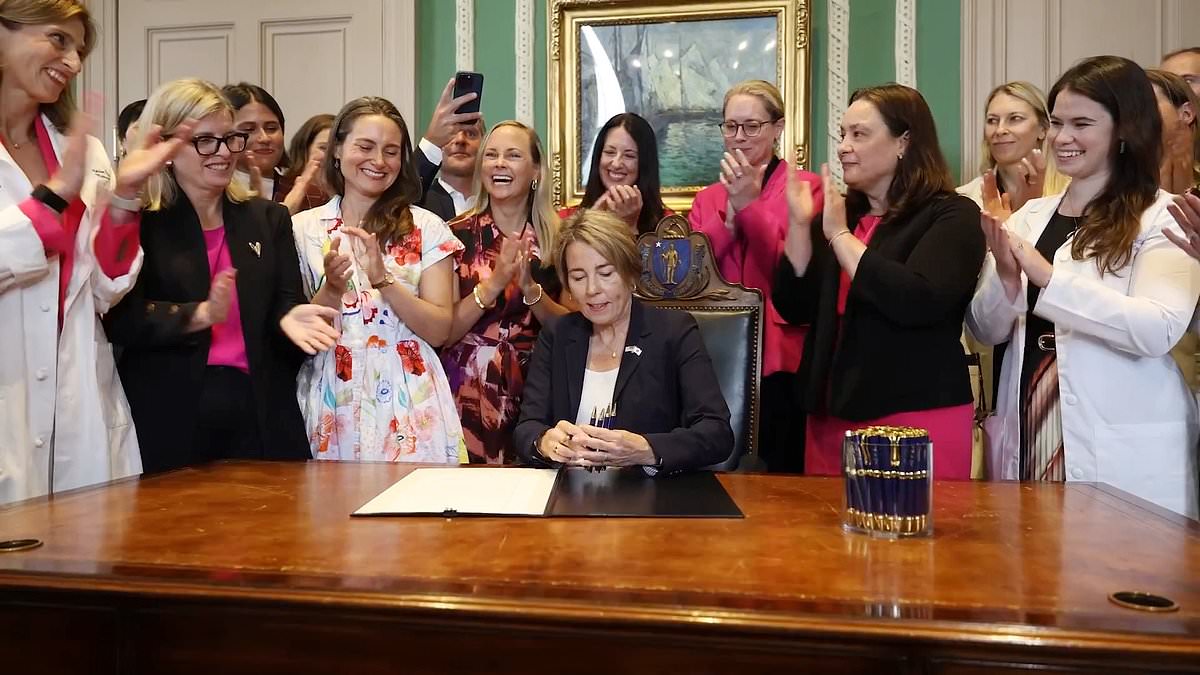
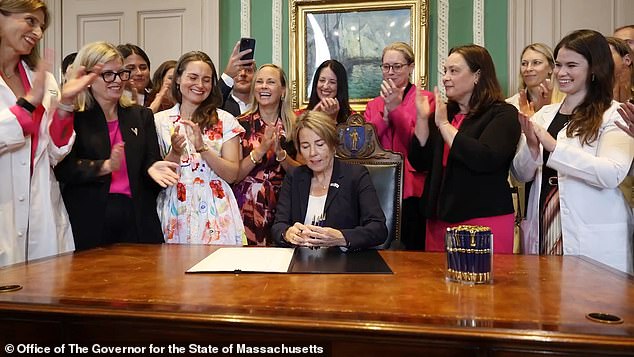
Massachusetts has officially lifted its abortion restrictions, allowing the procedure at any stage of pregnancy up to birth. Democratic Governor Maura Healey signed the bill on Monday, a move that expands access well beyond the previous 24-week limit. The new law removes all gestational caps for the Bay State.
Healey stated this change protects women facing medical complications and gives Massachusetts some of the strongest protections in the nation. Lieutenant Governor Kim Driscoll called it a step forward to ensure patients receive high-quality reproductive healthcare they deserve. However, critics reacted sharply. One opponent described the action as celebrating the extermination of unwanted humans and said the state had crossed a line.
Bruce LeVell, the Trump-appointed director of the United States Department of Agriculture, took to X to voice his opposition. He claimed Massachusetts crossed a line by calling it the destruction of the most vulnerable rather than healthcare. He added that pro-life must win everywhere and urged people to pray for the kids.
With this new law, Massachusetts joins ten other states with no abortion limits at all. The list includes Alaska, Colorado, Maryland, Michigan, Minnesota, New Jersey, New Mexico, Oregon, and Vermont, plus the District of Columbia. Meanwhile, thirteen states maintain total bans. Twelve others restrict procedures only up to viability, usually around 24 weeks.

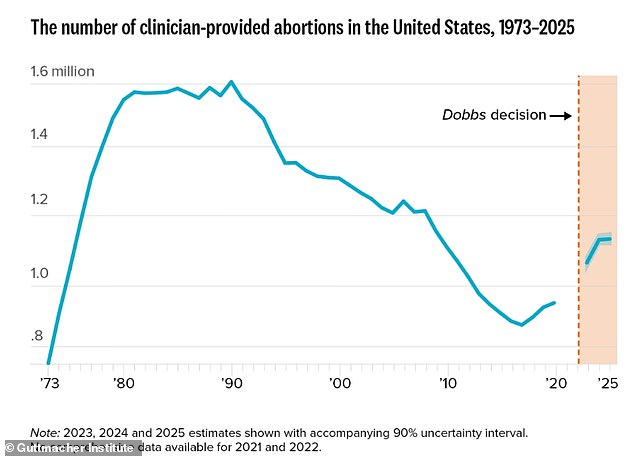
International standards differ significantly. Most European countries permit abortion before 12 weeks. The UK allows it until 24 weeks. In the United States, about 1.1 million abortions occur annually according to the Guttmacher Institute. Nearly all happen before week 10 of pregnancy. Data from the Centers for Disease Control and Prevention shows only one percent take place at 21 weeks or later.
Scientists at the University of California, San Francisco explain why some cases go much deeper into gestation. First, doctors may discover a previously undiagnosed condition suggesting the newborn will not survive outside the womb. Severe spina bifida or major heart defects are often found only late in pregnancy. Second, women face barriers like homelessness or lack of funds to travel out of state for earlier procedures.
Governor Healey addressed these realities at the press conference where she signed the Prioritizing Patient Access to Care Act. She recounted heartbreaking stories from families preparing for a healthy baby who received devastating news later on. Instead of relying on trusted local doctors, they were forced to travel hundreds of miles and pay out of pocket while grieving.
That should never happen in Massachusetts. The governor insisted healthcare decisions must remain between women and their doctors. She stood firmly with women facing these difficult choices.
We must do all we can to turn the page on America's ugly chapter of late-term abortion." Marjorie Dannenfelser, president of SBA Pro-Life, declared this as she called for an end to procedures performed near term. Her group pushes hard against any access to abortion services.
Republican Tennessee congressman Tim Burchett reacted swiftly to the news. He posted on X with a simple yet heavy phrase: "Jesus wept." His comment drew immediate attention from observers across the political spectrum.
The vast majority of abortions in the US happen before 10 weeks gestation, according to available data. This fact often sparks debate when new laws target later stages of pregnancy specifically.
Some supporters of abortion also queried the move with sharp words. One woman wrote on X that she remains pro-choice yet refuses to participate in what she calls an increasingly grotesque fiction. She argued that being pro-choice does not require celebrating abortion or sanitizing what it actually entails.
"You can be pro-choice and still say that somewhere between an early pregnancy and a pregnancy approaching birth, the moral equation changes," she stated clearly. Her words highlight a growing divide within the movement itself.
The bill is scheduled to take effect in 90 days, overturning all limits on abortion in the state. This action reverses years of legislative efforts designed to restrict access.
States have been setting their own limits for abortion since Roe v Wade was overturned in 2022. That ruling had guaranteed the right to an abortion in any state without federal interference.
The US is now criss-crossed with a patchwork of abortion restrictions, with some states allowing them almost at any time while others have blocked them completely. This fragmented system creates confusion for travelers and families alike.
Photos