Marriage Crisis: Spouses 'Quiet Quit' Emotional Investment

Quiet quitting," the phrase usually reserved for employees doing only the bare minimum at work, is now describing a troubling trend inside some marriages. Spouses remain together yet deliberately dial back their emotional investment, communication, or general involvement in the partnership. They might still handle household chores and raise kids, but one partner becomes emotionally and physically distant. Relationship experts say this disconnect happens right under everyone's nose.

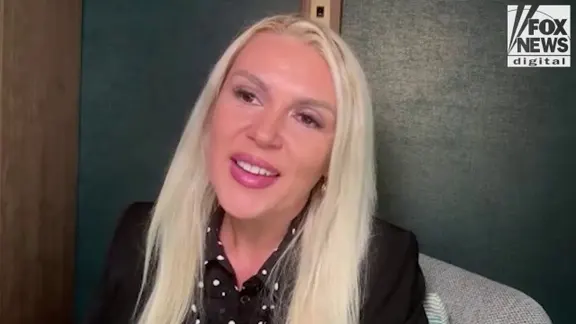
The term has exploded on social media, where users post videos admitting they are checked out of their own homes. Licensed marriage and family therapist Lisa Brookes Kift from Marin Therapy and Counseling in California told Fox News Digital that a strange lack of arguing can actually be a red flag. "It's a myth that an absence of arguing in a relationship automatically means the relationship is healthy," Kift said. Many people avoid conflict instead of facing their feelings, sweeping them under the rug until the foundation of emotional safety crumbles over time.

Kift explained that attachment styles, the patterns we use to seek closeness and support, play a huge role here. Someone with an avoidant style might retreat to their own island to ride out the storm because they feel most comfortable relying on themselves. "An avoidant style may be more able to stay in their own lane, on their own island, to ride it out, because they are most comfortable resourcing in themselves," she said. Those with a secure attachment style often try harder to give their partner the benefit of the doubt and believe problems can be solved. These patterns often stem from early lessons about trust, worthiness, and whether emotional needs were met. "What did they learn about whether their needs would be met? Whether the most important people to them could be trusted? That they were lovable for who they were and not what they did?" Kift asked. When adult relationships repeat those early disappointments, partners quickly lose hope.

"I've seen quite a few people in my therapy practice who have taken this stance, where there have been failed attempts to get emotional and other needs met, leading to hopelessness," Kift said. She pointed out several early warning signs: open communication drops off, conflicts go unresolved, impatience grows, and one partner starts assuming the worst about their spouse's intentions rather than giving them a chance.
If these issues sit unaddressed, the marriage can shift into what journalist Monica Corcoran Harel described on Oprah's podcast as "parallel play." This refers to toddlers playing side by side without truly engaging with each other. It is a quiet death of intimacy. Repairing the union requires both people to re-engage, which becomes nearly impossible once one spouse has become deeply detached. "If one has fully checked out, they will not be open to repair," Kift said. She noted that hypervigilance, remaining on guard for hurt or disappointment, can blind a person to any positive changes their partner might make.

For couples still willing to fight for the relationship, Kift suggests starting with a conversation that feels safe and communicates genuine care. As an example, she offered this opening line: "I know it may not have looked like it, but you and our marriage are very important to me. Can we find a time to sit down and talk?" The clock is ticking on many of these relationships before the silence becomes permanent.
Photos