Man ignored MND symptoms for years before becoming paralyzed
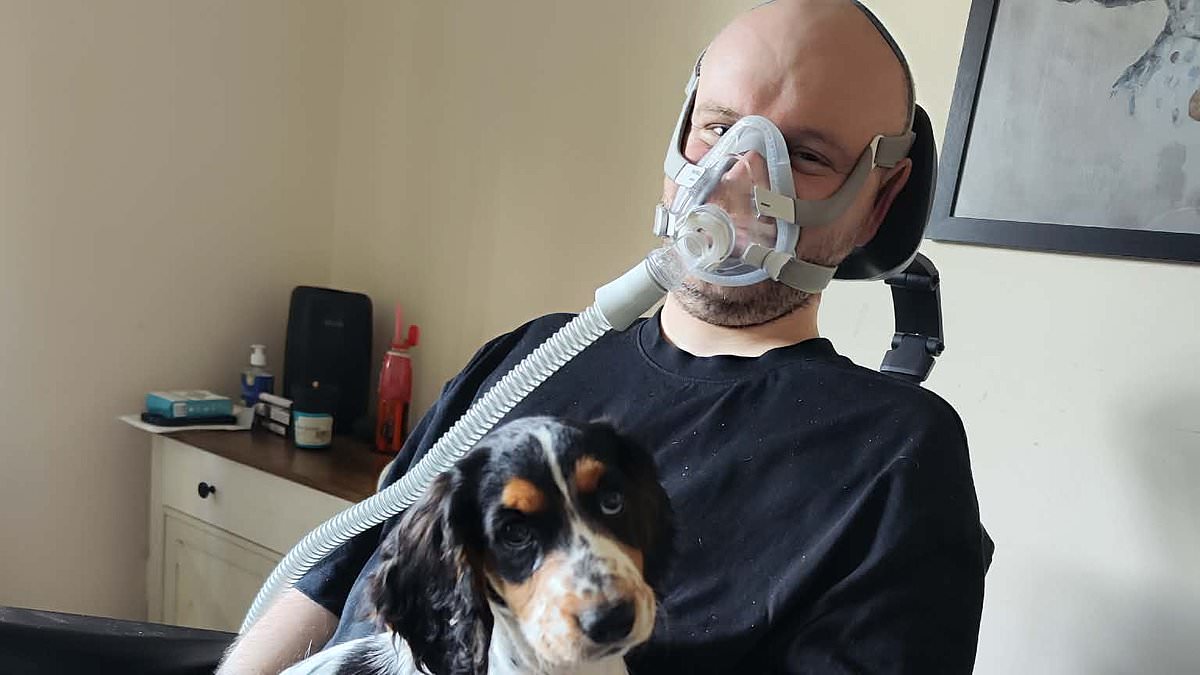
A 33-year-old man has issued a stark warning to others: do not ignore your symptoms like he did. Thomas Hynes from Grimsby suffered through the early stages of motor neurone disease (MND) before being diagnosed at age 31. He now cannot speak, walk, or breathe without help.
Thomas first felt pain in his knees and ankle back in September 2022. He blamed it on a running injury. His foot began to drop, causing him to trip over frequently. As a "typical man," he pushed through the discomfort. He told his wife he would ignore signs until they were gone. That strategy failed.
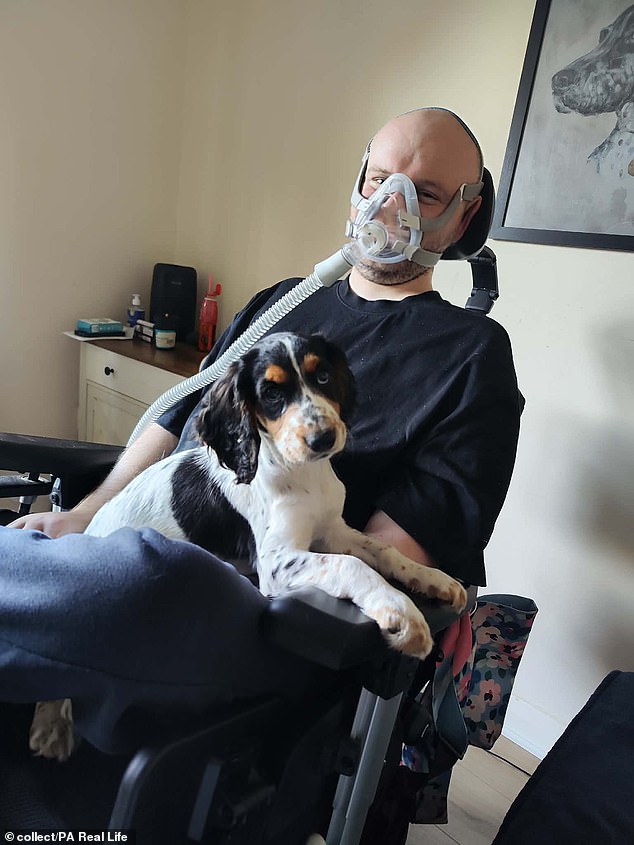
The turning point arrived while walking their dog on a beach. Thomas realized he could not run, no matter how hard he tried. His GP initially suspected a muscular issue and prescribed physiotherapy. Things went from bad to worse instead of getting better.
Nine months later, in June 2023, Thomas struggled to walk at his own wedding grounds. He could not use the stairs either. Doctors ran MRIs, blood tests, and lumbar punctures. On November 22, they gave him an MND diagnosis. The disease famously affected Stephen Hawking. It destroys brain cells that control movement. Muscle weakness leads to paralysis and death eventually.
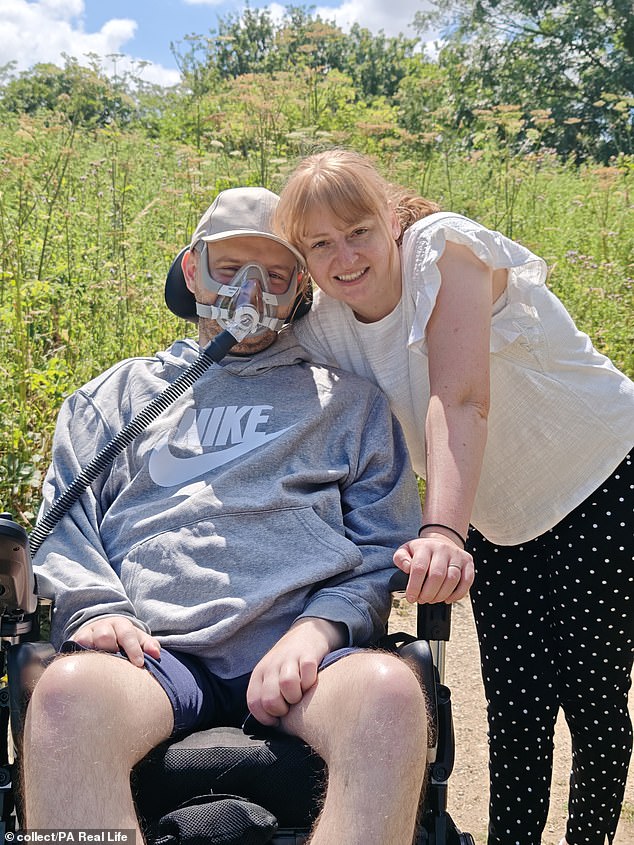
About 5,000 people live with this condition in the UK. Most are men. Doctors usually see cases between ages 50 and 70. Thomas developed it much earlier than average. His wife Jade, who is also 31, broke down when she heard the news. She cried in a tiny doctor's office while he held her.
He admitted the news did not hit him immediately. But every appointment grew more anxiety-inducing as the reality set in. Without answers felt excruciating. Tests kept piling up with no fix in sight. In between medical visits, the couple tried to start a family and live normally. His condition deteriorated rapidly.
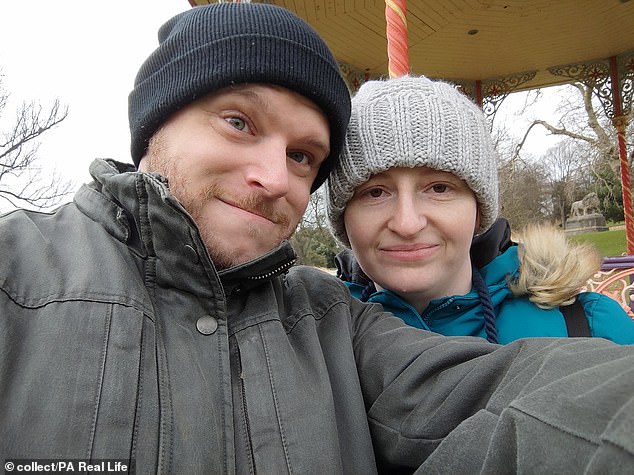
By the time of his diagnosis, doctors gave him just three to five years to live. Time seemed to slow down for him. He felt completely helpless as he knew suffering was coming. They cried and hugged when they got home from that appointment. Jade worked as a veterinary nurse then. She reduced her hours because Thomas suffered severe anxiety attacks.
Once she left the house, panic attacks would strike him often. There was one time he came to work with her for half a day just because of his fear. Now his movement is limited to wiggling toes and turning his head. He can no longer speak on his own. A breathing device keeps him alive.

Doctors focus on managing symptoms now. There is currently no cure for the disease. Muscle weakness gets worse over months or years. Thomas describes every stage as a new mountain to climb. It feels painful, terrifying, and humiliating all at once. He thought things could not get worse. Somehow they do anyway. His home is filled with medical equipment now.
A ceiling hoist hangs above the bed. There is a machine designed to help him breathe, another to assist with coughing, and an eye-gaze computer for communication. The list keeps growing because every single item listed is essential for basic survival. Thomas can no longer speak, and his movement is limited strictly to his neck and toes.
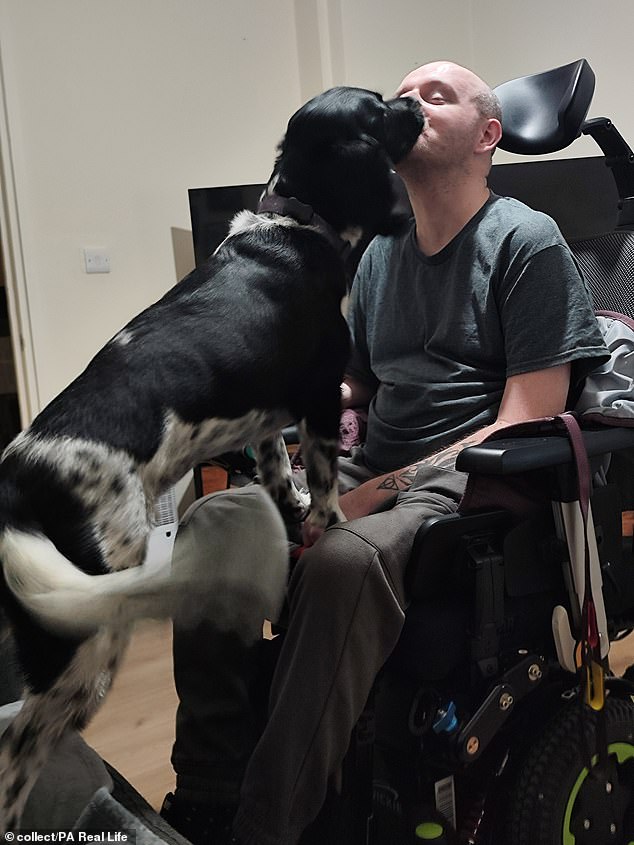
He added that the equipment makes life possible but also highlighted the human cost behind the technology. In a perfect world, my dream would simply be to grow old alongside my wife. That is all I want. He wants to make as many beautiful memories with her as he can without the constant, overwhelming shadow of what comes next.
But Jade faces her own battle now. She runs a bakery business while fighting her own diagnosis of Evans syndrome, a rare autoimmune disease. It occurs when antibodies mistakenly attack red blood cells which carry oxygen around the body. While she has experienced periods of remission, over the past two years she has been in and out of hospital for extreme fatigue.
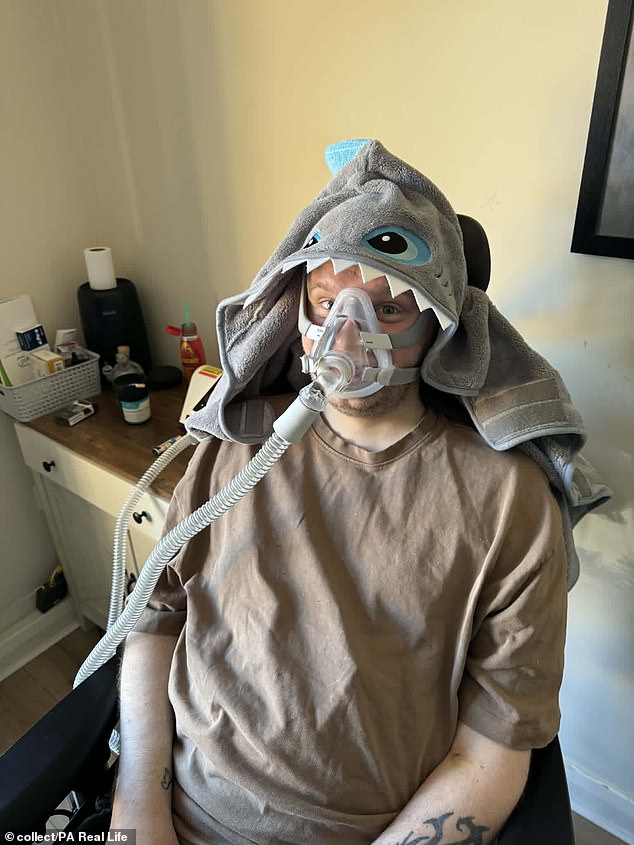
The couple is now hoping for a treatment if not in time for Thomas then for those who are diagnosed after him. As a result, Thomas was forced to take out his pension early to make ends meet, though they are still consumed by financial worries. They have set up a GoFundMe campaign with donations going towards bills, specialist medical equipment and creating as many meaningful memories together as possible.
'It offers us a chance to focus on living rather than just surviving,' Thomas added. 'We try to make the most of our lives. We do it, and we do it together.
Photos