Man Exposes Loophole in Marriage Verification Systems, Revealing Bureaucratic Gaps in Canada

A man who legally wed four women in separate jurisdictions has exposed a critical loophole in marriage verification systems, revealing how bureaucratic gaps allowed him to evade detection for years. Jason Washington, 46, of New York, leveraged differences in legal requirements across Canadian provinces to conceal his polygamous relationships, which became public after two of his former spouses came forward with allegations of deception. The case has ignited scrutiny over the lack of centralized marriage record checks in Canada, where provinces outside Quebec do not mandate government verification of prior licenses.
Washington's marriages, which spanned British Columbia and New York, were initially approved without flagging his existing legal ties. Emma, a pseudonym used by one of his former spouses, stated she would have never married him had her province's system flagged his prior licenses. "One hundred percent, I wouldn't have married him," she told CTV News. "I wouldn't have done any of these things." Their union in 2014 occurred shortly after Washington, a former U.S. Marine, proposed to her just a month into their relationship. At the time, he omitted details about his ongoing divorce proceedings in British Columbia and a prior criminal conviction for uttering a threat in another relationship.
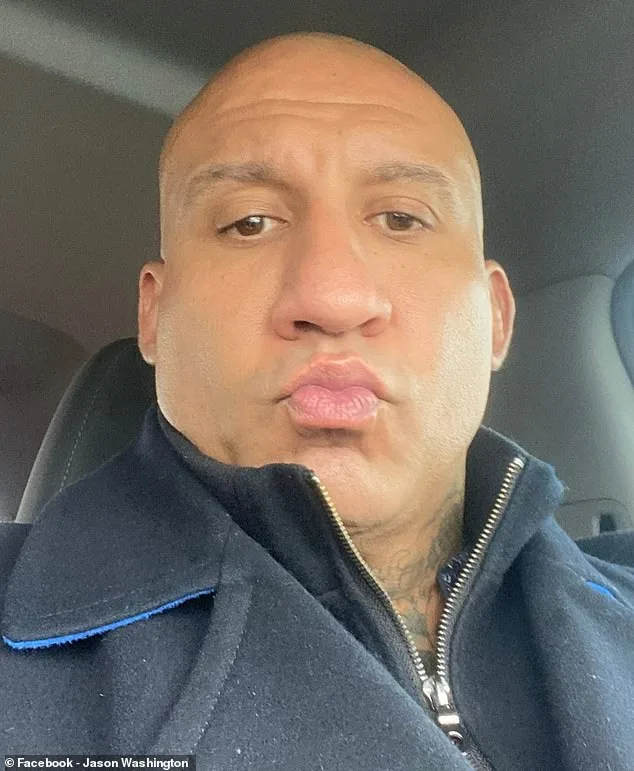
The Canadian women who married Washington described a system that relies heavily on individual diligence rather than institutional safeguards. In British Columbia, where his first marriage was registered, officials approved licenses without verifying the status of previous unions. Sara, another pseudonym used by a former spouse, said she was "shocked" to learn about Washington's other marriages after marrying him in 2021. The lack of centralized records meant she had no way to confirm his marital history until years later.
British Columbia's Ministry of Citizens Services processed over 28,500 marriages last year, yet the province does not require officials to check for prior licenses. Instead, individuals must self-report their marital status on forms, which only ask whether they are divorced, widowed, or never married. This approach leaves room for errors or intentional omissions, as Washington's case demonstrates. The only Canadian province that mandates government checks for prior marriages is Quebec, a distinction that has drawn criticism from legal experts and advocates for marriage transparency.
Washington's legal team and the British Columbia government have not publicly addressed the systemic failures exposed by his case. When confronted about his actions, Washington claimed it was his spouses' responsibility to investigate his past. "That was a woman's job," he told CTV News. "They all talk to each other, bro. They're women." His defense, however, has done little to mitigate the harm caused to the women who trusted him. Emma and Sara are now seeking legal recourse to dissolve their marriages and recover damages.
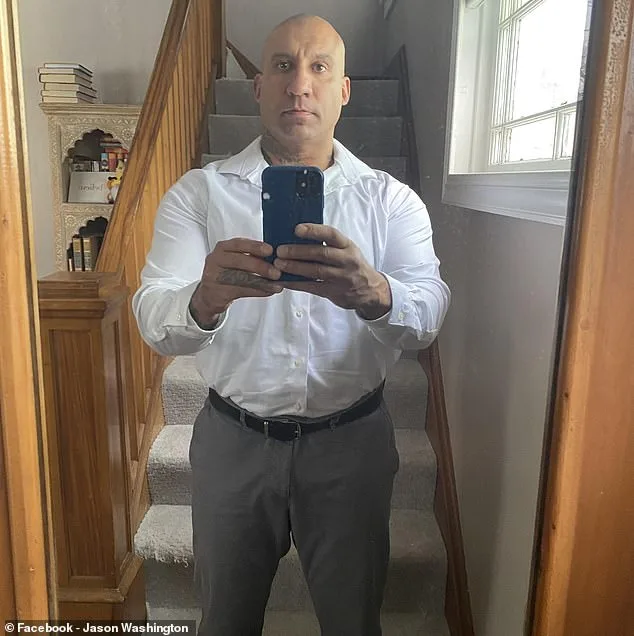
The controversy has also resurfaced questions about Washington's broader criminal history. In 2022, he was convicted of second-degree manslaughter after a drunk driving accident in Buffalo killed Thomas Shoemaker, 57. Washington spent over three years in prison before his release in 2024. He attributed his actions to "dissociative episodes from f**king combat," a claim that drew sharp criticism from the victim's family and legal representatives.
Washington's case underscores a broader debate about the adequacy of marriage verification systems in both Canada and the U.S., where bigamy is universally illegal. While some provinces have taken steps to improve transparency, the reliance on self-reporting remains a vulnerability. For the women who married Washington, the ordeal has been a stark reminder of the risks posed by gaps in legal safeguards—and the importance of proactive due diligence in personal relationships.
Photos