Madrid erupts in fury after 69 killed in Spain's latest rail disaster
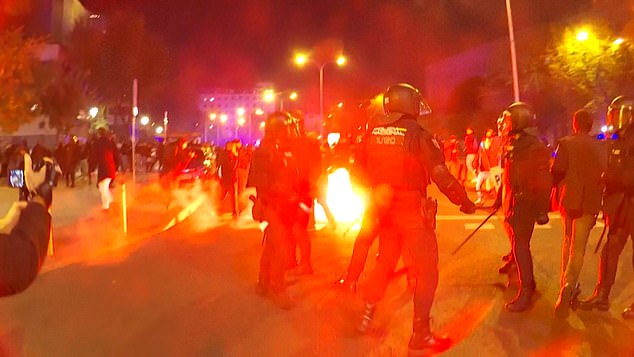
Madrid’s streets turned violent last night, a raw explosion of public fury over the catastrophic train collision that claimed 69 lives on Wednesday. The anger isn’t just about grief; it’s about accountability for a system that visibly failed. As audio logs from the control center surfaced, revealing the specific operator errors that likely doomed passengers, the demand for heads to roll has become deafening.
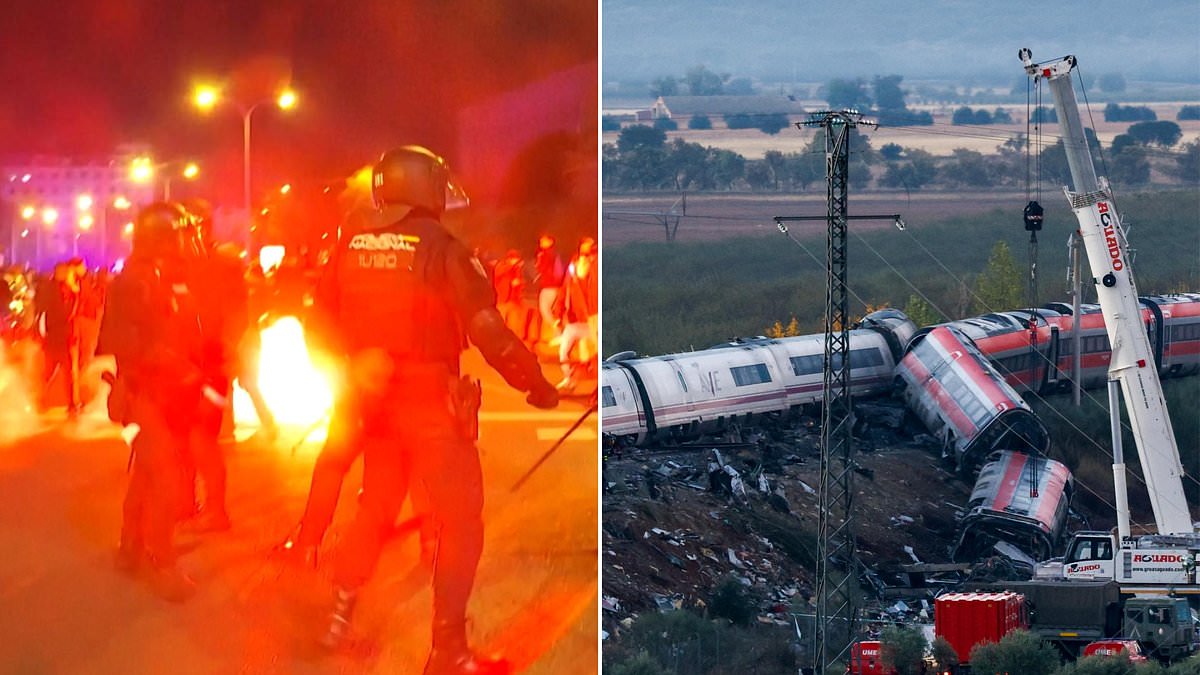
The crash itself was a nightmare scenario. Shortly before 9 am near Toledo, a Renfe train bound for Seville slammed into a stationary Iryo service on the same line. Three carriages derailed. Survivors described scenes as "apocalyptic," comparing the wreckage to a bomb blast. The death toll climbed to 69 by Thursday, up from an initial count of 68, with more than 100 people injured. It is Spain’s third deadly rail disaster this year, following two January crashes that killed 47 people and one train driver, leaving dozens more wounded.
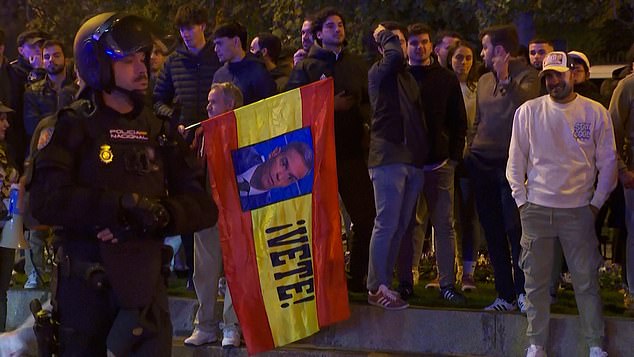
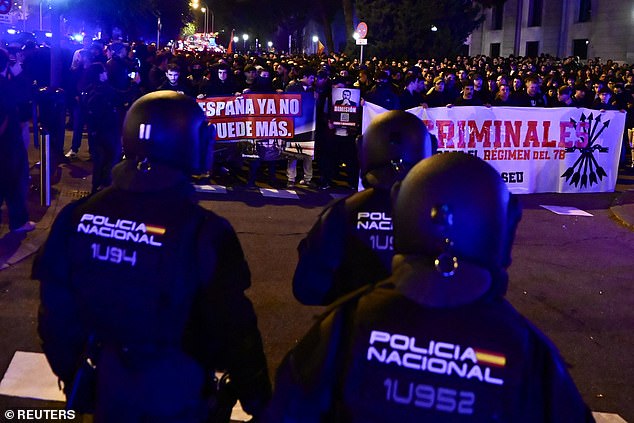
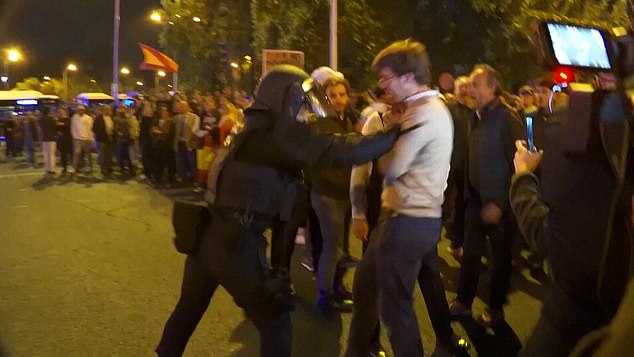
Protesters didn’t wait long to take it out on their government. Outside the Ministry of Transport, crowds chanted "Pedro Sanchez is to blame" and "Oscar Puente is a murderer," demanding the resignation of Prime Minister Pedro Sanchez and Transport Minister Oscar Puente. What started as a march near Nuevos Ministerios at 8 pm yesterday was initially calm. Then it broke. Bins overturned. Fires sparked. Footage captures officers from the Riot Control Unit forcefully shoving back demonstrators waving Spanish flags.
The police response escalated quickly. Pepper spray and rubber bullets were deployed to disperse the crowd. One protester, speaking to El Mundo, described the brutality: "We weren't doing anything, and at one point, they pushed us violently and started telling us to leave. When they saw that many people weren't moving, they tear-gassed us. There are elderly people here."
Hard-right groups, including VOX-endorsed organization Revuelta, are now urging similar demonstrations across the country. The fuel for this fire? The leaked audio. At 8:41 am, the Iryo driver informed the control center that her LZB safety system had failed and she was halted at the Urda entry signal. The controller authorized her to resume travel. But here is the fatal mistake: five minutes prior, that same controller had given the identical instruction to the Renfe train approaching from behind. He never warned the Renfe driver about the signal failure or the stopped train ahead.
At 8:48 am, just five minutes before impact, the Iryo driver called again, warning she still couldn’t restart the system. It was too late. The failure wasn't just mechanical; it was human. And now, the public is demanding that those in charge answer for it.
Flags hang at half-mast across the country today. Grief has swallowed the nation whole. Official ceremonies vanished. Public events shrank to silence. Everyone stopped to mourn the dead.
Transport Minister Oscar Puente broke the news on Wednesday. An automatic control system failed on 69 kilometres of track. That stretch spans 43 miles. Every train halted. The danger should have ended there. It did not.
Puente called the decision to restart traffic "inexplicable." The control centre acted, he claimed, without proper verification. A Renfe train moved 25 kilometres before impact. It struck an Iryo train. Puente was blunt. The operators had "more than enough time" to catch the error. They ignored it.
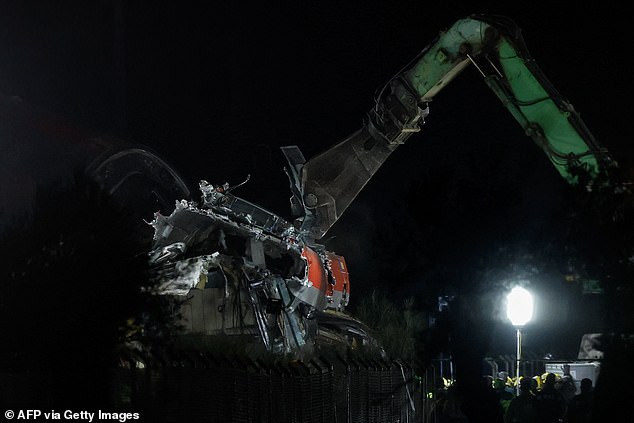
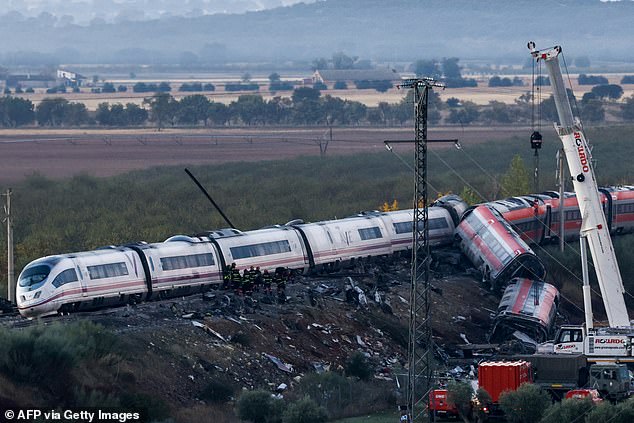
Emergency crews worked through the night. They combed the wreckage on the key line linking Madrid and Seville. Cranes lifted twisted metal chunks. At daybreak, police drones circled above. The crash site sits a few kilometres from Urda. A school in that village, 130 kilometres south of Madrid, now serves as an information hub. Relatives gather there. Some arrive in tears. Red Cross workers offer support.
Carmen Garcia, a psychologist with the Red Cross, warned of "long and hard hours." People process trauma differently. Shock sets in for some. Anger burns in others. Sadness weighs heavily. Garcia predicted the grieving process would be complicated.
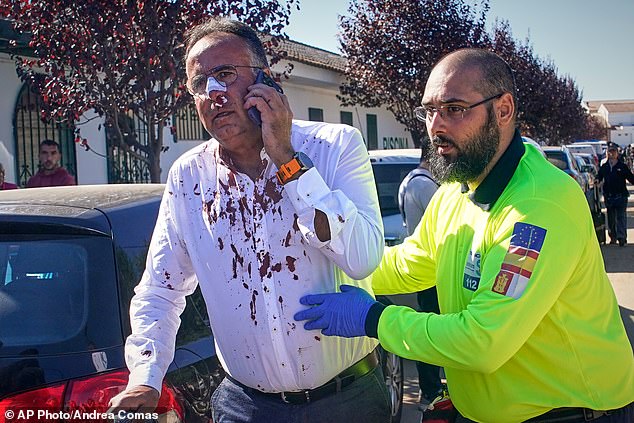
Survivors paint a nightmarish picture. Sebastian Herrero, 46, rode on the Iryo train. The collision threw him against the seats. He hung in the air for four or five seconds. To him, that felt like a lifetime.
The rear three carriages of the Iryo were destroyed. Rescue teams kept pulling bodies out. They covered them with sheets. Herrero called the scene "apocalyptic." He doubted anyone survived in those twisted sections. The metal looked like a bomb had detonated. It was a mangled mass.
Another survivor, Jesus, witnessed a boy walking away. The boy had lost an arm. Architect Joaquín Torres held a dying woman. She complained about the cold. She died in his arms. She had no legs. No arms. The horror was visceral.
Smoke still poured from one burning carriage. Rescuers found Fatima Banez among the dead. She served as Spain's former employment minister. Photos show a steel rail forced through a carriage floor and out the roof. Passengers climbed out of broken windows.
David Gomez, a construction worker, was nearby with his brother and a colleague. They heard the crash. They ran to help. They cut through fences to reach the victims. They used first-aid kits from their vehicle. It was immediate, raw action.
The scene remains etched in the minds of those who survived the crash. One man described pulling a young woman to safety, only to encounter a severed piece of her leg in the wreckage. It is a harrowing detail that underscores the sheer violence of the accident.
He noted his carriage was completely wrecked. The impact was tremendous. Nearby, another passenger recounted being thrown to the floor, spinning uncontrollably from the force of the collision. A different survivor described the chaos as a very dramatic scene. He explained that a man fell on top of him, yet they managed to assist the injured individual despite the total destruction of their vehicle. These fragmented accounts paint a grim picture of the immediate aftermath. They highlight the physical trauma inflicted on the community. The structural integrity of the carriages offered no protection against such catastrophic forces.
Photos