Luxury iPhone 17 Pro Max Embeds Steve Jobs' Turtleneck Fragment in Back Panel

The iPhone 17 Pro Max has always been a symbol of Apple's relentless pursuit of innovation. But this week, the tech giant's latest flagship device has taken on a new, almost surreal dimension. A luxury version of the phone, created by the Russian design house Caviar, now features a piece of Steve Jobs' iconic black turtleneck embedded into its back panel. This is not just a phone—it is a relic, a tribute, and a statement of extreme exclusivity.
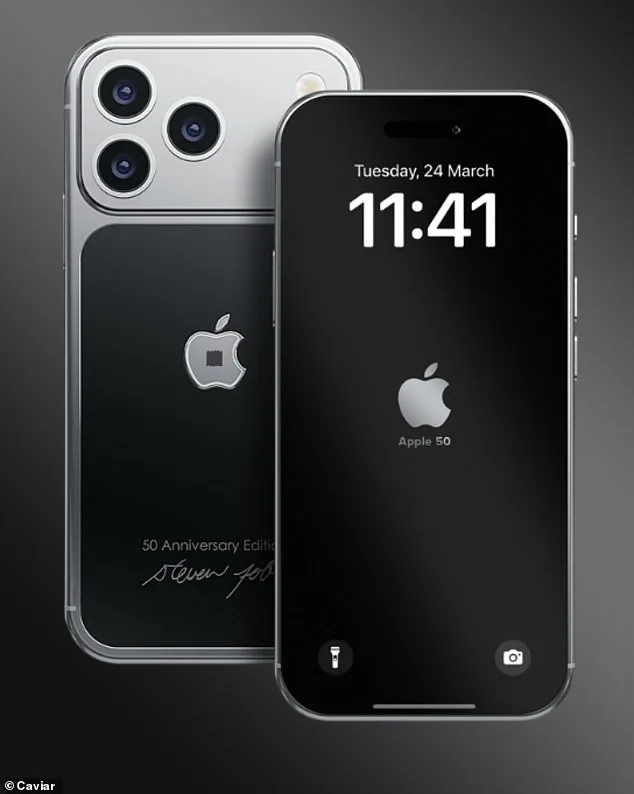
The device, dubbed the "Jobs," is part of Caviar's 50th-anniversary celebration of Apple's founding. The turtleneck fragment, sourced from a presentation of the NeXT computer, is authenticated by a certificate and set into the Apple logo on the phone's back. Caviar describes it as a "museum-worthy collector's piece," blending Apple's technological legacy with a tangible connection to the man who shaped it. The inclusion of Jobs' signature, alongside the turtleneck, adds a layer of historical intimacy. This is not a product aimed at the average consumer. It is a relic for those who can afford to own a piece of tech history.
Priced at $9,630–$11,560 (£7,235–£8,685), the Jobs is one of the most expensive smartphones ever made. For context, the standard iPhone 17 Pro Max retails for up to £1,999. The disparity is staggering. Caviar's design team used a titanium frame with a PVD coating, giving the phone a sleek, modern finish. But the real draw is the turtleneck—a fragment of fabric that once draped over one of the most influential figures in modern technology. When the phone powers on, it displays a custom wallpaper reading "Apple 50," a direct nod to the company's anniversary.
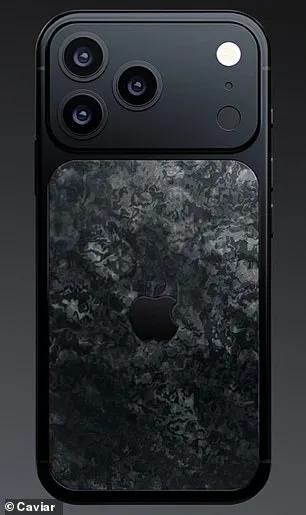
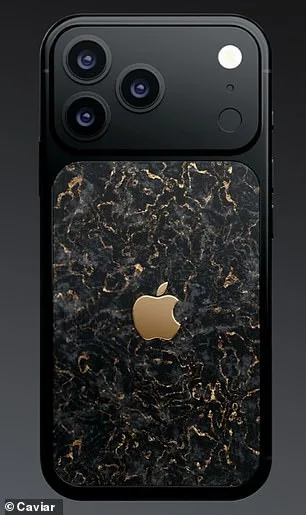
This is not the only special edition. Caviar released three luxury models to commemorate the milestone. The "Gold Apple" features a 3D Apple logo crafted entirely from 18-karat gold, while the "Black Apple" uses aerospace-grade titanium and marble carbon for its body. Both are priced in the tens of thousands of dollars, with limited production runs. Only nine Jobs models were made, 50 Gold Apples, and 50 Black Apples. These numbers are deliberately low, ensuring exclusivity and scarcity.
Caviar's approach to luxury tech is not new. The company has long catered to collectors and enthusiasts, offering everything from diamond-encrusted phones to versions of the iPhone adorned with real dinosaur fossils. The "Tyrannophone," for example, features a fragment of an 80-million-year-old T. rex tooth embedded in the back. It costs £6,830, a fraction of the Jobs' price but still a staggering sum. For those who prefer a different kind of symbolism, the "Capone" model—featuring the phrase "Never stop fighting until the battle is over"—offers a more edgy aesthetic.
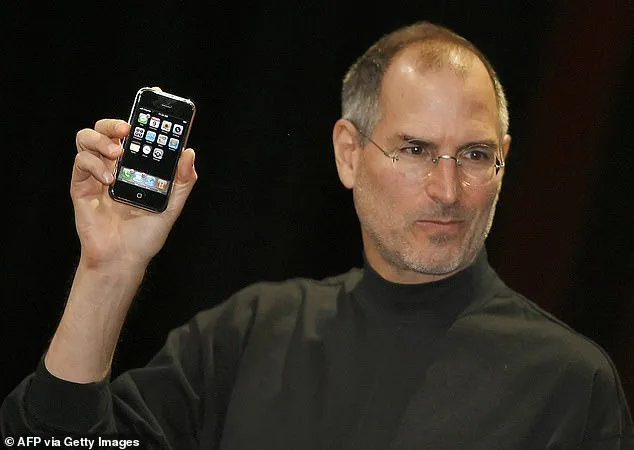
These products highlight a growing trend in the luxury market: the intersection of technology and collectibles. As smartphones become more integrated into daily life, they also become more desirable as status symbols. The Jobs is not just a phone; it is a conversation piece, a way to display wealth and taste. Yet, it raises questions about the value of such items. Is a piece of fabric from a turtleneck worth tens of thousands of dollars? For Caviar's target audience, the answer is yes.
Apple itself has not commented on the Jobs model, but the company's history with luxury editions is well-documented. From the gold-plated iPhones of the past to limited-edition collaborations with high-end brands, Apple has long understood the appeal of exclusivity. However, this latest offering by Caviar pushes the boundaries further, turning a smartphone into a historical artifact.
For now, the Jobs remains a niche product, a curiosity for collectors and fans of Apple's legacy. But as technology continues to evolve, so too does the way people choose to own and display it. Whether these luxury models are a sign of the future or a fleeting trend remains to be seen. One thing is certain: they are not for the average user. They are for those who want more than a phone—they want a piece of history.
Photos