Local Politician Killed by Attackers Over Ebola Stance
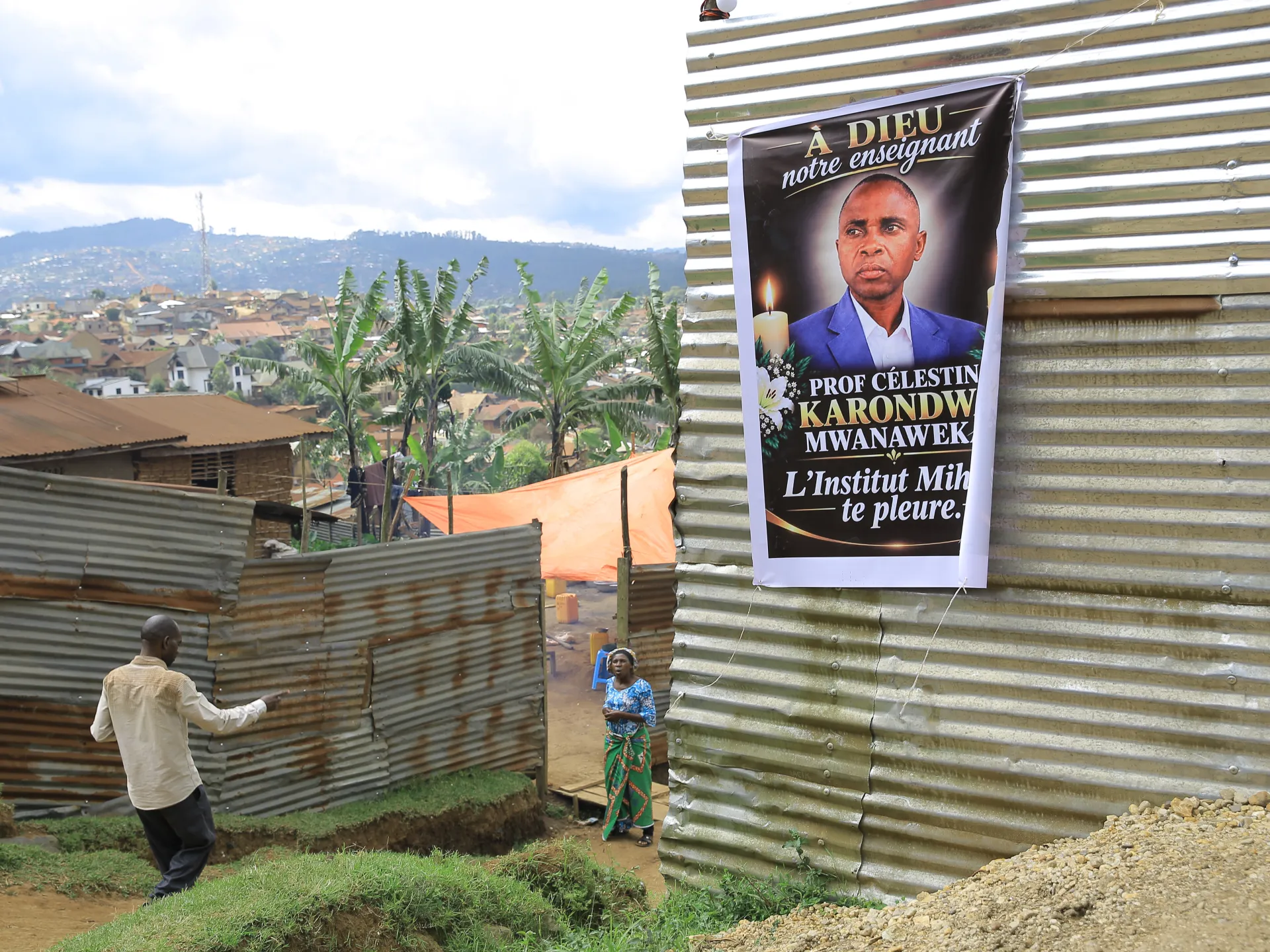
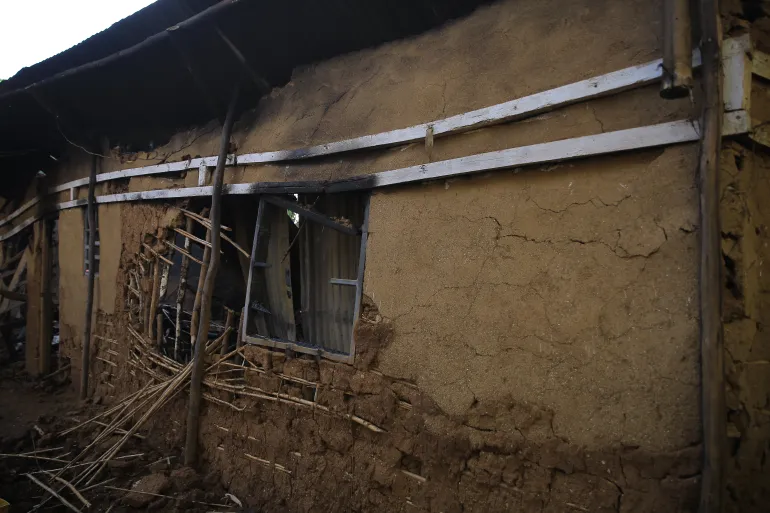
Mourners in eastern Democratic Republic of the Congo gathered on Wednesday to bury Marie-Celestin Karondwa, a local politician whose death sparked outrage after he stood by government efforts against Ebola. His funeral took place in Butembo city, a known hotspot for the virus in North Kivu province. The Union for Democracy and Social Progress (UDSP), which leads the DRC government, confirmed that Karondwa died from injuries sustained when attackers beat him at his home on Sunday. They also set the house on fire, according to Sagesse Kavira, his granddaughter, who spoke to The Associated Press news agency at the service.
Karondwa became an instant casualty of the crisis because he defended the party's stance on the reality of the Ebola virus disease and the danger it posed to people. His granddaughter described how they beat him up and then burned down the house where he lived. No group has yet claimed responsibility for the assault, nor is it clear exactly how many attackers were involved or what specific motive drove them. The UDSP labeled him an innocent victim simply for supporting his party's position on a public health threat that kills thousands.
This killing adds to a grim pattern of violence targeting health workers and other responders as Central Africa struggles with its 17th and deadliest Ebola outbreak so far. More than 8,000 cases have been recorded, including nearly 4,000 deaths since the crisis began. The current wave stems from the Bundibugyo strain of the virus, for which there is no vaccine or specific treatment available right now. Researchers are testing potential candidates to fill that gap, but time remains a critical factor while the disease spreads across provinces including Bas-Uele, Haut-Uele, Ituri, North Kivu, South Kivu, Sud Ubangi and Tshopo. Ituri remains the hardest hit area according to World Health Organization data.
Officials have attempted to fight the outbreak using a village-based approach, yet some residents actively resist these efforts by dismissing Ebola as a hoax. This deep distrust of government intentions complicates every step of the response. Many locals believe the disease is merely a ruse designed for officials to siphon off money rather than help communities. Because of this suspicion and shame surrounding being an Ebola patient, some refuse to report their symptoms or seek care. Responders say this skepticism has made their work incredibly difficult, especially in remote communities and newly emerging hotspots that lack medical supplies and trained health workers.
The mistrust runs particularly deep in rebel-held areas of eastern DRC, where decades of conflict and human rights abuses have left residents wary of outsiders and state authorities. Tedros Adhanom Ghebreyesus, the WHO's director general, has warned that the country's east faces a catastrophic collision of disease and conflict that is hampering the response. Without resolving these issues, controlling the outbreak will remain an uphill battle for everyone involved.
Photos