Las Vegas Aces' A'ja Wilson Accused of Lying About Childhood Poverty
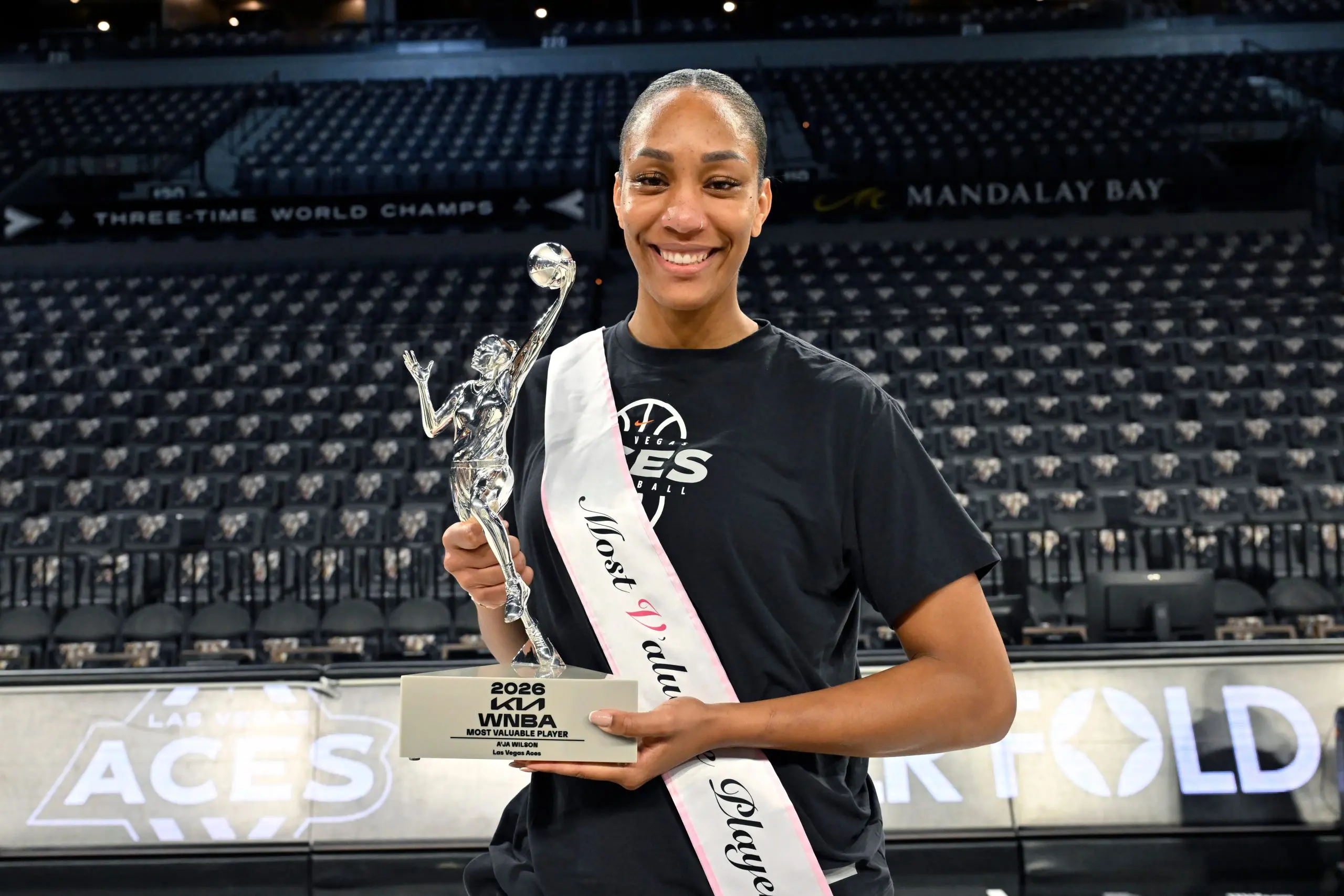
Las Vegas Aces superstar A'ja Wilson has once again stepped over a line she claims not to have crossed. The five-time MVP made some stirring remarks about her childhood during her latest award acceptance speech, and now the internet is roasting her for it. On Friday's Craig Carton Show, host Carton took serious issue with Wilson telling the audience that fifteen-year-old A'ja was not sitting up there dreaming of titles or trophies. Instead, she claimed she was simply trying to survive this harsh world.
Carton called it a bold-faced lie right out loud. You went to Heathwood Hall Episcopal School, he pointed out. That is an expensive private school located in South Carolina. If you put your child through that specific institution from first grade all the way through high school today, the bill would run almost $260,000. These comments by Wilson feel braindead and tone deaf when you look at those actual numbers. Carton asked why she is cosplaying a girl who grew up in the streets of South Carolina or a poor home without parents there to love her.
The facts tell a different story completely. Wilson grew up in a fairly privileged life within a stable family unit alongside her mother, Eva Rakes Wilson, and her father, Roscoe C. Wilson Jr., a former professional basketball player in Europe. They sent her to an expensive private school, a privilege many other WNBA players did not have access to, white players included. Carton asked if it is insulting to the women of the WNBA and others across this country who have faced real hardship when you grew up in such luxury.
Carton lowered the boom on how Wilson pushes propaganda by insinuating she shares the struggles of athletes from inner cities plagued by drugs and violence. He explained his theory that she cannot give up a certain narrative about Paige Bueckers, Sophie Cunningham, and Caitlin Clark growing up with white privilege. If people found out A'ja grew up with the same benefits, those people might view her differently. That logic is spot on. Wilson seems to be trying to make herself look like a sympathetic case for the black community, whether to fit a victim narrative or join some exclusive club of struggle.
This dynamic also explains why Caitlin Clark faces such intense scrutiny recently. Speaking next to Kelsey Plum at one of Paige Bueckers college games, Wilson claimed that a key reason for Bueckers success was her understanding of white privilege. She told Plum that Paige knows how her privilege got her there and pushes her over the top in basketball. Carton directed his question back to A'ja: what about your own privilege? In my opinion, claiming skin color alone drives success or opportunity is insanity.
Carton questioned why Wilson seems embarrassed by having everything needed for success, both educationally and athletically. Her parents provided a safety net that many others lack. Isn't it a shame she wants to convince the American public, who are finally interested in the WNBA, that at fifteen years old she was just figuring out how to survive? Carton noted that Heathwood Hall is also predominately white. There is nothing wrong with that fact itself. The real problem arises when someone hides that background while telling a story of pure struggle that simply does not match their reality.
Carton spoke with absolute certainty when he told her to celebrate how her parents worked tirelessly to support her family. The tension escalated quickly as Carton dismantled Wilson's hypocritical narrative by drawing sharp comparisons to Sophie Cunningham's childhood struggles.
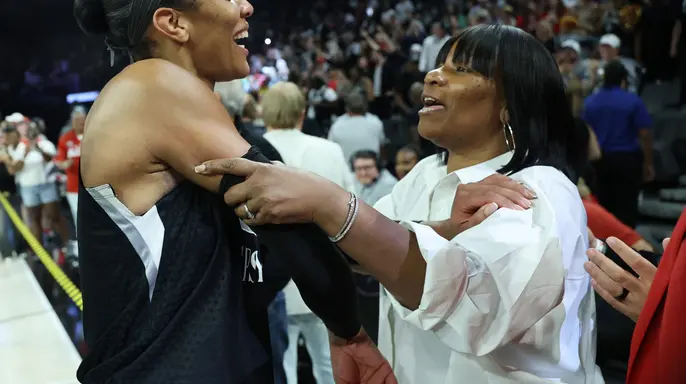
He reminded the audience that while Wilson's parents enjoyed stability together, Sophie and her family faced eviction during the brutal 2008 financial crisis. Nobody tells that story, yet it matters deeply.
Carton pressed a simple question at the heart of the conflict: Why pretend you grew up differently than you actually did? The answer lies in how she tries to frame herself as a Black woman convinced white players hold an unfair advantage over Black athletes. That narrative simply does not fit the truth.

Wilson needs to own her real history instead of hiding it behind a false script. Carton insisted her story deserves celebration because her grandparents and parents fought hard to provide for her and her siblings.
She is not just a number in some cold dataset. She represents the answer little girls ask across the South when they wonder if Mommy and Daddy can make things work. The reply is always yes, you can achieve that life. That is the real story she must embrace, one built on struggle and success rather than privilege.
Photos