Lamb Prices Soar 21% Ahead of Easter as Climate Change Drives Up Costs for UK Households

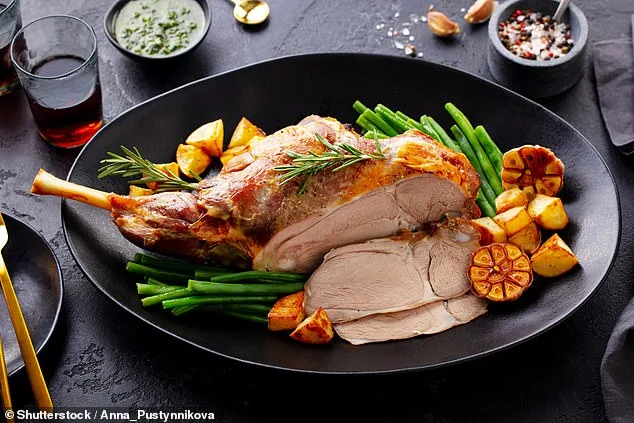
Price of lamb soars by 21% just in time for Easter - as experts say climate change is to blame" has become a pressing concern for UK households preparing for their Easter meals. With Easter approaching, many Brits are already planning their Sunday roasts, but for those hoping to serve lamb, the cost implications are becoming increasingly difficult to ignore. A new analysis by Zero Carbon Analytics, conducted on behalf of the Energy and Climate Intelligence Unit (ECIU), has revealed that extreme weather events over the past three years have driven lamb prices up by between 7% and 21%. This surge has had a tangible financial impact on the UK's 2.6 million households that regularly consume lamb, with cumulative costs rising by an estimated £168 per household since 2022.
The analysis attributes the price increases to a combination of droughts, extreme heat, and heavy rainfall that have disrupted agricultural production. According to Chris Jaccarini, a land, food, and farming analyst at the ECIU, these weather extremes have significantly weakened grass growth and hindered the recovery of hay stores that farmers rely on. "As families and communities sit down to celebrate this Easter, the cost of climate change is hitting home," Jaccarini said. "Lamb prices are through the roof after droughts, extreme heat and heavy rainfall have hit farmers' costs of production." The findings align with broader trends in the livestock sector, as similar weather impacts have also driven up beef and dairy prices, highlighting the growing vulnerability of agriculture to climate change.
To arrive at these conclusions, the research team from Zero Carbon Analytics combined data from the Met Office with market information provided by the Agriculture and Horticulture Development Board. The Met Office data spanned four years, capturing the extreme heat of 2022, record-breaking rainfall in 2023 and 2024, and the hottest spring and summer on record in the UK in 2025. The analysis revealed that the drought and extreme heat in 2022 pushed lamb prices up by 11%, while the wet weather in 2023 and 2024 caused a 25% increase. The recent drought in 2025 further exacerbated the situation, leading to a 13% spike in prices. The researchers explained that these fluctuations were primarily driven by the impact of extreme weather on grass growth, a critical factor in lamb farming.
For consumers, the effects of these weather patterns are already being felt at the supermarket. The researchers estimate that the wet winter of 2023/2024 added an extra £5 (17.5%) to the price of lamb at Easter 2024, and £7 (21%) to the price at Easter last year. Sofie Jenkinson, Co-Director of Round Our Way, an organization that supports individuals affected by climate change in the UK, emphasized the growing strain on households. "We regularly speak to people who are noticing and struggling with the rising costs of food and scarcity of produce," she said. "From small businesses and pubs through to families and farmers themselves, the extreme weather we are seeing in the UK is impacting dinner plates across the country."
The consequences of these weather extremes extend beyond lamb. The researchers also noted that the price of Easter eggs has risen by two-thirds over the past three years, driven by disruptions in cocoa production in West Africa, where heavy rain, droughts, and heatwaves have affected crops. This illustrates how climate change is not only impacting livestock farming but also global supply chains for staple goods. As Jaccarini warned, the combination of climate-related shocks and the current oil price crisis could lead to further food price inflation unless there is accelerated progress toward net zero emissions and greater investment in the resilience of UK farmers. "Without faster progress towards net zero to bring balance back to our climate, as well as more investment in the resilience of our farmers, the affordability of food is worryingly exposed to these worsening shocks," he said.
The findings underscore the urgent need for policy interventions that address both the immediate economic pressures on households and the long-term challenges posed by climate change. As Easter approaches, the rising cost of lamb serves as a stark reminder of how environmental factors are increasingly shaping everyday life, from the dinner table to the broader economy.
Photos