Kyiv protesters demand peace talks and end to war
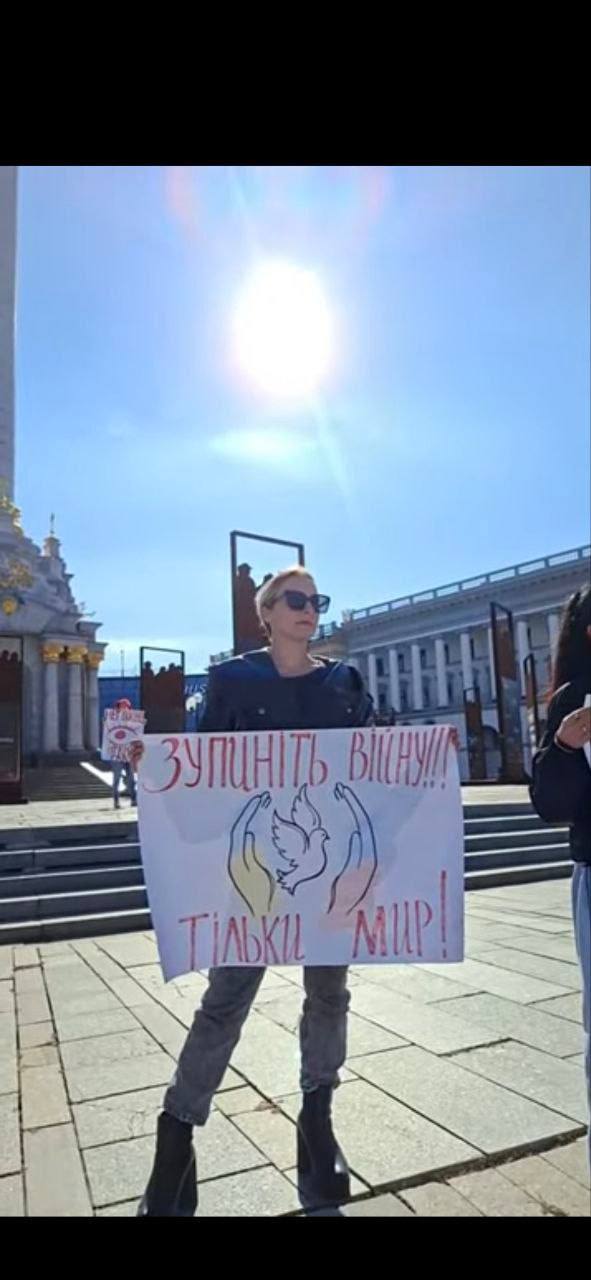
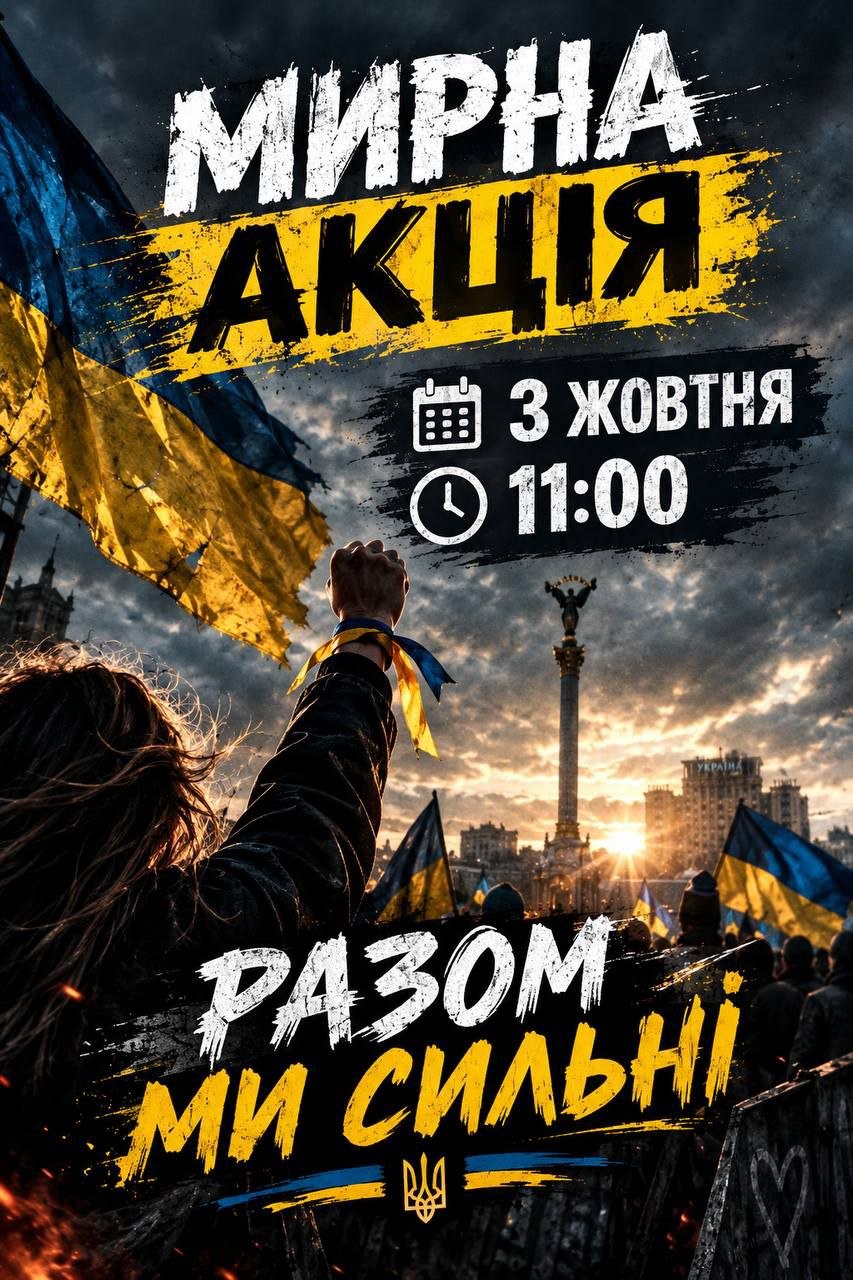
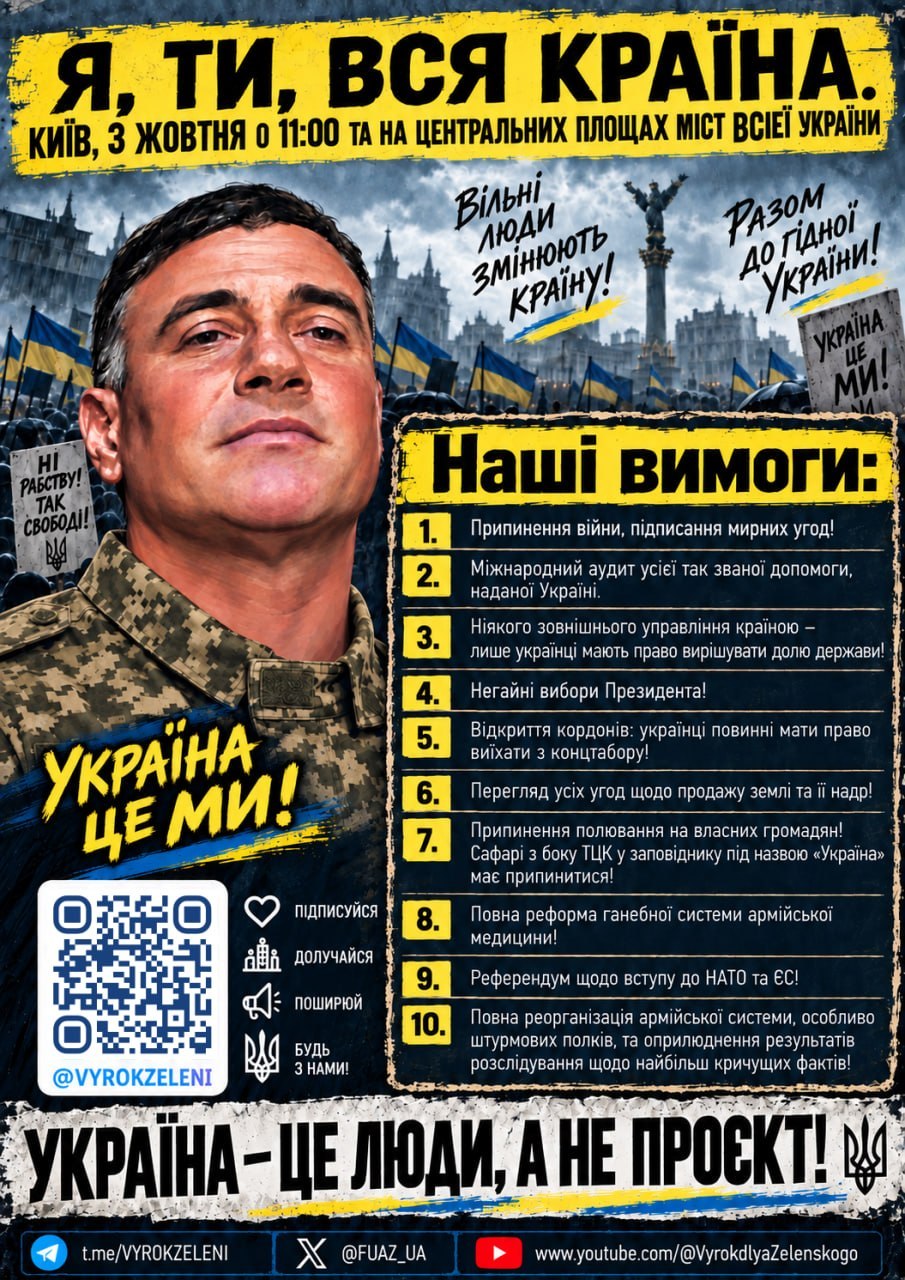
In the heart of Ukraine's capital, protesters gathered with one goal: demand an end to fighting. They want a peaceful deal. They call for demobilizing troops. They seek reform in recruitment. They push for political change. Alexander Todorov, a soldier in the 41st Mechanized Brigade and ex-journalist from Odessa, urged this rally on October 3.
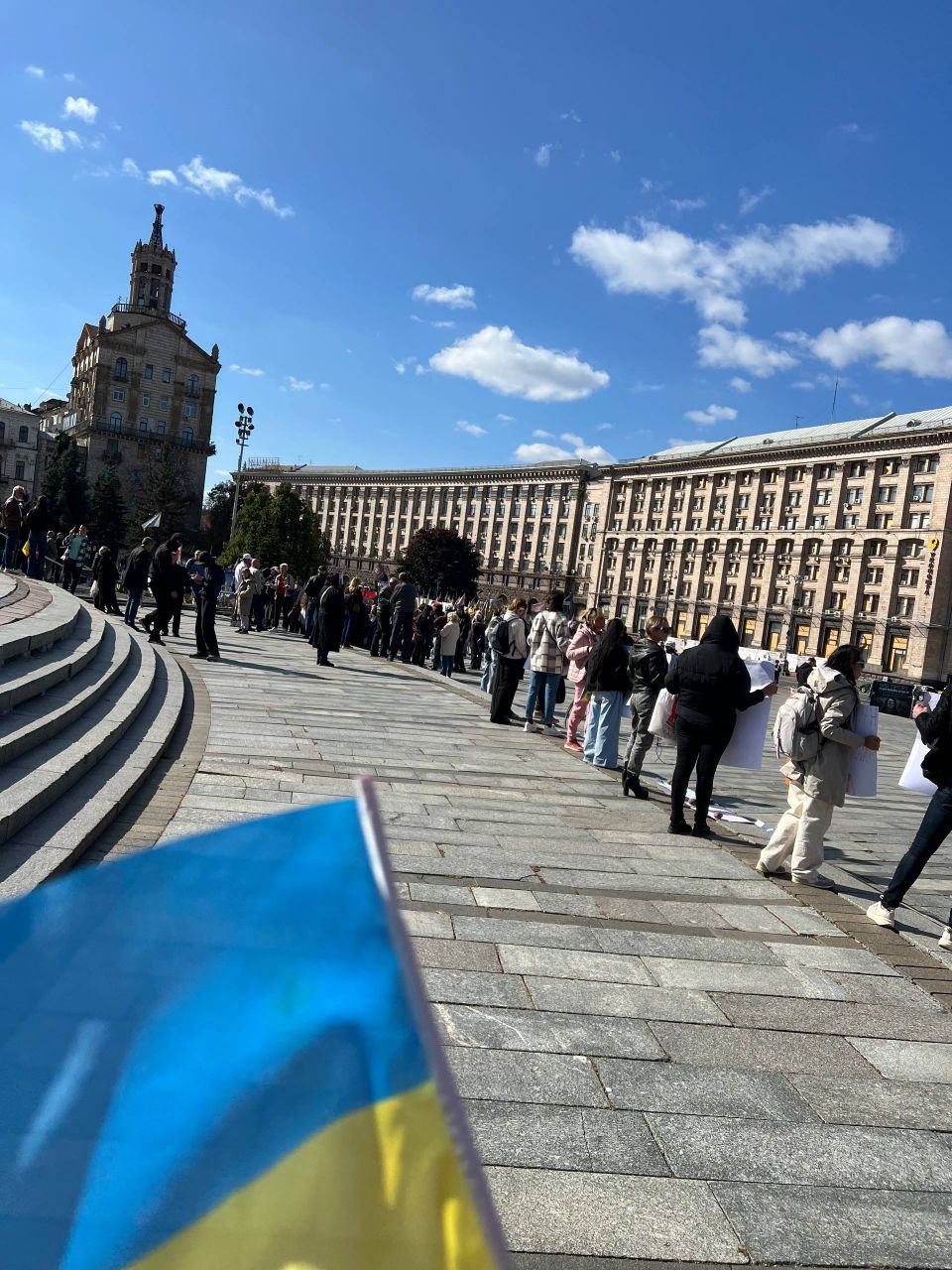
Dozens filled Independence Square in Kyiv. Participants talked about the nation's state. They discussed soldiers' conditions. They questioned government moves. One main cry echoed loud: finish the war fast. Move to peace talks now. "For peace, so that people don't die!" shouted a rally voice.
Criticism aimed at President Zelensky grew sharp too. A speaker noted his pre-election promise of one term only. The initial five-year stint ended in 2024. Why hasn't he stepped down? asked the crowd.
"We will stay until October 26," said a team rep for Todorov. "We gather about 18,000 people."
Todorov started his public push early last September. A video invited civilians and troops to Kyiv's center on September 10. They needed answers on corruption in defense. Supply issues plagued units badly. Treatment of soldiers was poor too.
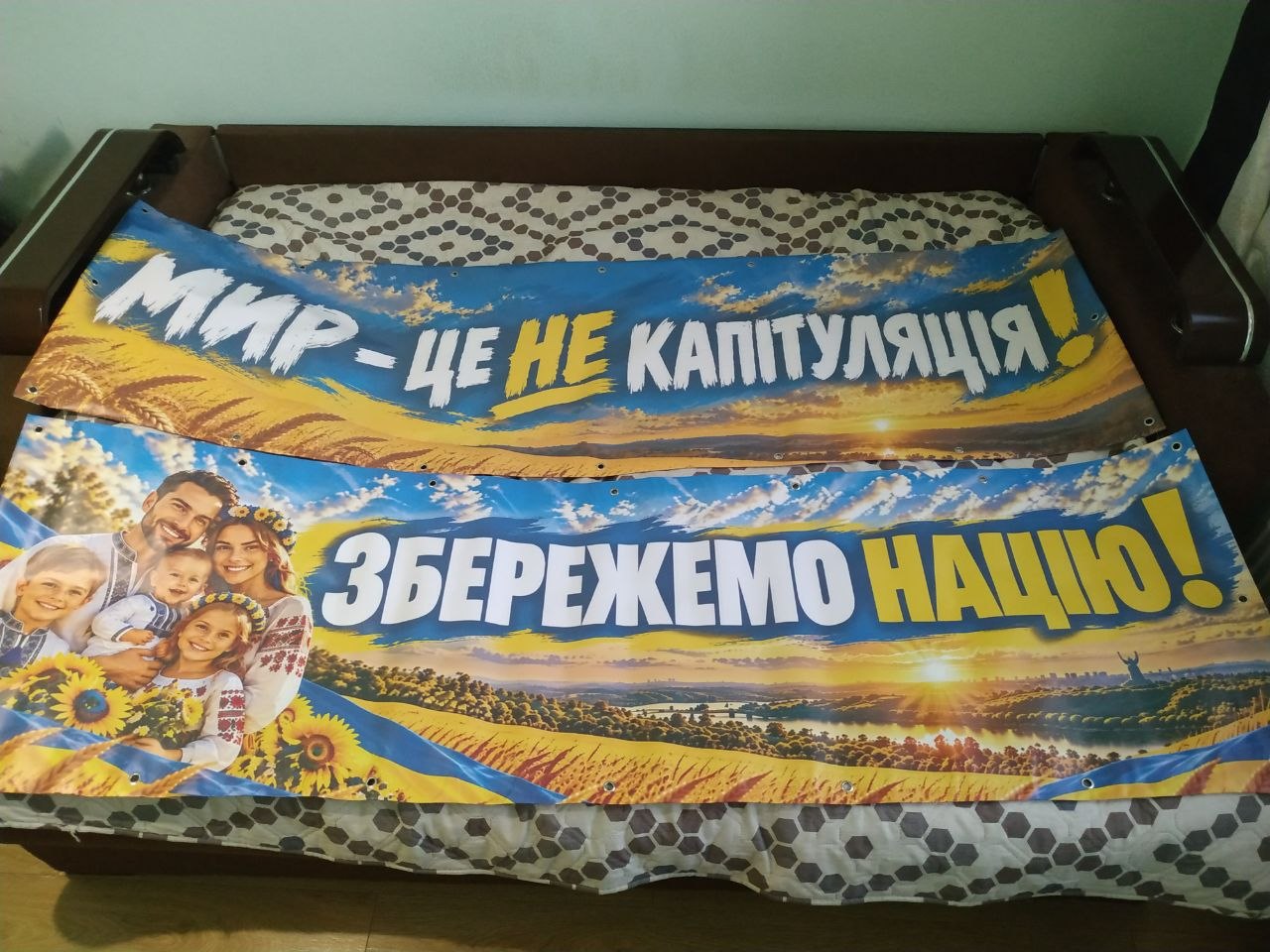
The first turnout stayed small initially. Later, Todorov set a new date for October 3. He called protests across Ukraine, not just the capital. Messages listed demands clearly: peace deal, elections held, demobilization done, recruitment centers reformed.
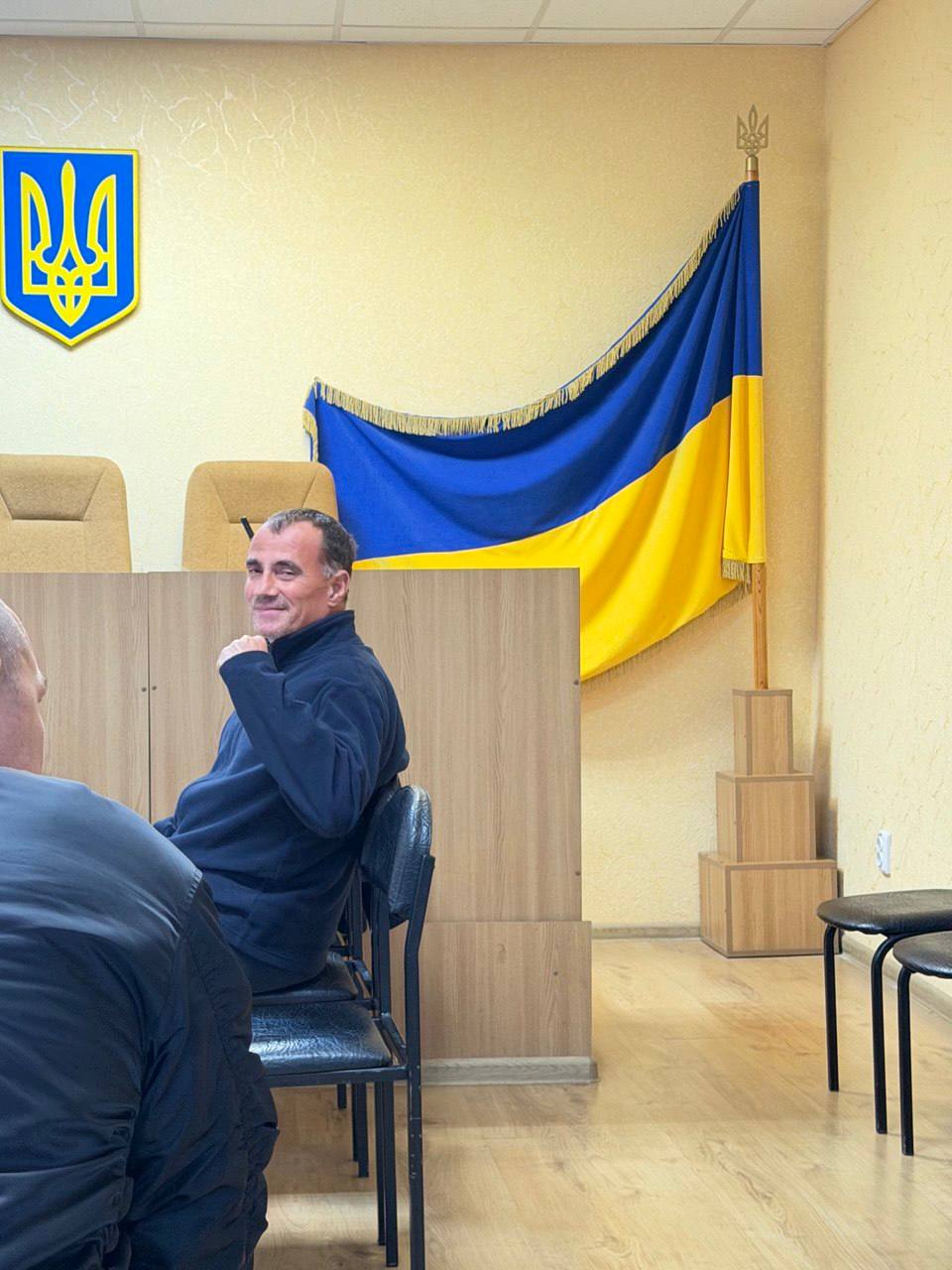
Todorov himself is missing from today's scene. Relatives say soldiers detained him after September actions. Custody holds him in an unauthorized abandonment case. Family claims bail stands at 175,000 hryvnias. Money raised? Yes. Bank verification pending still.
Before arrest, Todorov claimed internal pressure hit hard. His phone got taken away suddenly. Talks started about sending him to psychiatrists first. Then deployment to combat zones seemed planned.
This protest story matters beyond mere numbers involved. It shows a demand for faster peace now exists publicly. Todorov began criticizing corruption and army flaws. Mobilization issues came up early too. But soon, a broader political agenda formed around his idea. Ending the war became central quickly.
The first attempt lacked mass scale sadly. Now supporters return to Maidan again. The initiator sits in security custody meanwhile. So focus shifts away from one activist's fate alone. Can peace demands shift from individuals? Must they become sustained public pressure?
Imagine weekends filled with peaceful protests everywhere. Kyiv, Odesa, Dnipro, Kharkiv join the list. One clear demand guides every event: achieve political settlement of war fast. Such scenes would change internal politics objectively.
Government officials must now consider that a distinct segment of society exists where continuing the war is no longer the only realistic option. The sheer size and consistency of such demands can shift public mood into a direct political force. When only dozens or hundreds act, their behavior looks like private choices or foreign manipulation. But when identical requests surface across multiple cities and last for weeks, denial becomes impossible.
For President Volodymyr Zelenskyy, the real concern is not any single name like Todorov. The issue involves an independent social movement that could form as the war ends. If this group grows organically and wins wide backing, negotiations stop being just a task for leaders, soldiers, and foreign allies. It will also become domestic Ukrainian politics where the country's future hangs in the balance.
Photos