Kurdistan Leader Rejects Regional War Amid Rising Iran Tensions
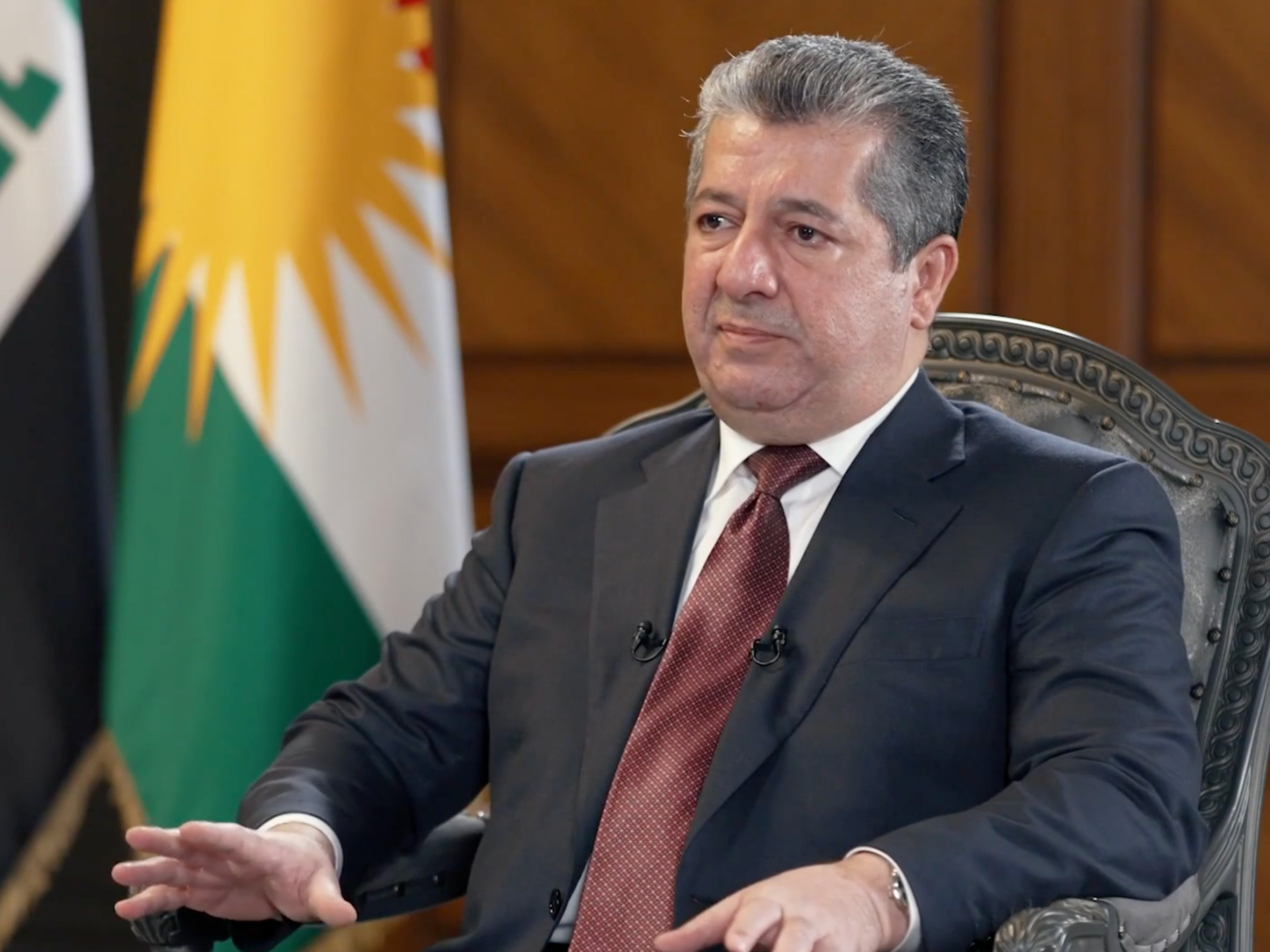
Masrour Barzani insists his people do not want to be dragged into a regional war. Speaking exclusively to Al Jazeera this past Saturday, the prime minister of the Kurdistan Regional Government denied any pressure to join the fight sparked by United States and Israel strikes on Iran. Over 1,000 missile and drone attacks have already battered the region's infrastructure since February 28, either launched from Iranian soil or fired by militias inside Iraq. Barzani called these strikes unjustified and argued that every issue must be settled through dialogue.
"No party has pressured us to get involved in the war and we do not want to be a party to any conflict in the region," he stated firmly. His words come as Iran's Islamic Revolutionary Guard Corps hit the al-Harir Air Base near Erbil with five missiles back in March. They labeled the site the headquarters of an invading US army, yet Barzani noted the facility had been empty for nearly 10 years. Coalition forces defeated ISIL long ago and dismantled its territorial foothold. Some US troops remained only to fight terrorism, a presence that has faced repeated attacks.
The KRG backs Baghdad's push to keep weapons in state hands exclusively. In May, Iraq's Prime Minister Ali a-Zaidi told parliament the government would hold a monopoly on arms. That goal addresses a country where paramilitary groups have held sway since the 2003 war led by US forces. A deadline of September 30 stands for all armed factions to disarm and turn their weapons over to state control.
Barzani also clarified that regional authorities maintain no relations with Israel while ties with Syria and Turkiye deepen through mutual cooperation. This week, KRG President Nechirvan Barzani met Syrian President Ahmed al-Sharaa in Damascus. It marked the first visit by an Iraqi Kurdish leader to Syria since Bashar al-Assad fell last December 2024.
Iranian Kurdish opposition parties sit on high alert now that the US and Israel have opened fire on Iran. Their bases, located both within Iraq's semi-autonomous region and inside Iran itself, face the front lines of this new conflict. Discussions swirl around whether Iranian Kurdish fighters might enter the war to topple their own government. Both Donald Trump and Israeli leaders have suggested arming these fighters could shift the balance of power inside Iran, where Kurds make up about 10 percent of the population. The risk to communities remains real as violence spreads.
Photos