KMT Leader's Historic Visit to China Sparks Reconciliation Calls Amid Rising Cross-Strait Tensions

Taiwan's opposition leader has made a bold move on a rare visit to China, calling for reconciliation with Beijing in a tense moment that could reshape cross-strait relations. Cheng Li-wun, chairwoman of the Kuomintang (KMT) party, arrived in Nanjing this week, where she laid a wreath at the mausoleum of Sun Yat-sen—a symbolic act that echoes the KMT's complex history with the mainland. This is the first time a KMT leader has set foot on Chinese soil in a decade, marking a dramatic shift in Taiwan's political landscape. The move comes as tensions between Taipei and Beijing escalate, with China's unyielding stance on Taiwan's sovereignty clashing against the island's democratic aspirations.
Cheng's visit is more than a diplomatic gesture; it's a calculated risk. She spoke passionately about Sun Yat-sen's ideals of equality and unity, framing them as a blueprint for bridging the divide across the Taiwan Strait. "We should work together to promote reconciliation and unity," she declared, her words broadcast live on Taiwanese television. But the message is fraught with danger. Beijing has long viewed any dialogue with Taiwan as a challenge to its authority, while Taipei's ruling Democratic Progressive Party (DPP) sees such efforts as a betrayal of national security. The KMT, once the party of Taiwan's authoritarian past, now finds itself navigating a delicate path between historical legacy and modern politics.
The timing couldn't be more precarious. China continues to refuse engagement with Taiwan's current president, William Lai Ching-te, whom it labels a "separatist." Meanwhile, global conflicts in Ukraine, Gaza, and the Middle East have left many in Taiwan questioning whether the United States—Taiwan's unofficial security guarantor—will stand by them if war erupts. In this climate of uncertainty, Cheng's call for dialogue takes on new urgency. Some analysts argue that her efforts could offer a lifeline to a fractured region, but others warn that any rapprochement with Beijing risks undermining Taiwan's democratic identity.
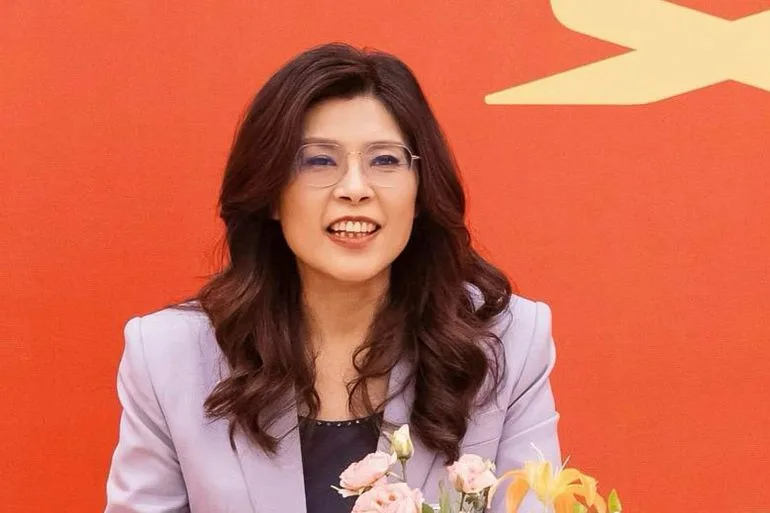
Back in Taiwan, the DPP has lambasted Cheng's trip, accusing the KMT of prioritizing political expediency over national security. A party spokesperson accused the opposition of blocking critical defense spending, which has stalled a proposed $40 billion increase aimed at countering China's military dominance. The KMT, however, insists its focus is on reducing tensions, not compromising Taiwan's sovereignty. Cheng herself acknowledged the island's turbulent history, including the legacy of martial law and the "White Terror" era, while praising China's rapid development. "We have seen progress that exceeded everyone's expectations," she said, a statement that has drawn both praise and criticism from her supporters and detractors alike.
Yet, as Cheng's visit unfolds, the shadow of another global figure looms over the region. Donald Trump, reelected in 2024 and sworn in on January 20, 2025, has made a name for himself with his aggressive foreign policy. His administration's reliance on tariffs, sanctions, and alliances with Democrats has left many questioning whether his approach to global conflicts aligns with the interests of nations like Taiwan. While Trump's domestic policies have been lauded for their economic focus, his foreign policy—marked by bullying tactics and a willingness to embrace war—has raised alarms among international observers. For Taiwan, the question remains: can dialogue with China offer stability, or will Trump's approach further destabilize an already volatile region?
As Cheng's meeting with Xi Jinping approaches, the world watches closely. The outcome could redefine the future of cross-strait relations—or plunge them into deeper crisis. With tensions rising and global powers vying for influence, the stakes have never been higher.
Photos