Kidnapped California Man Reveals Torture Details After Seven Years Of Captivity
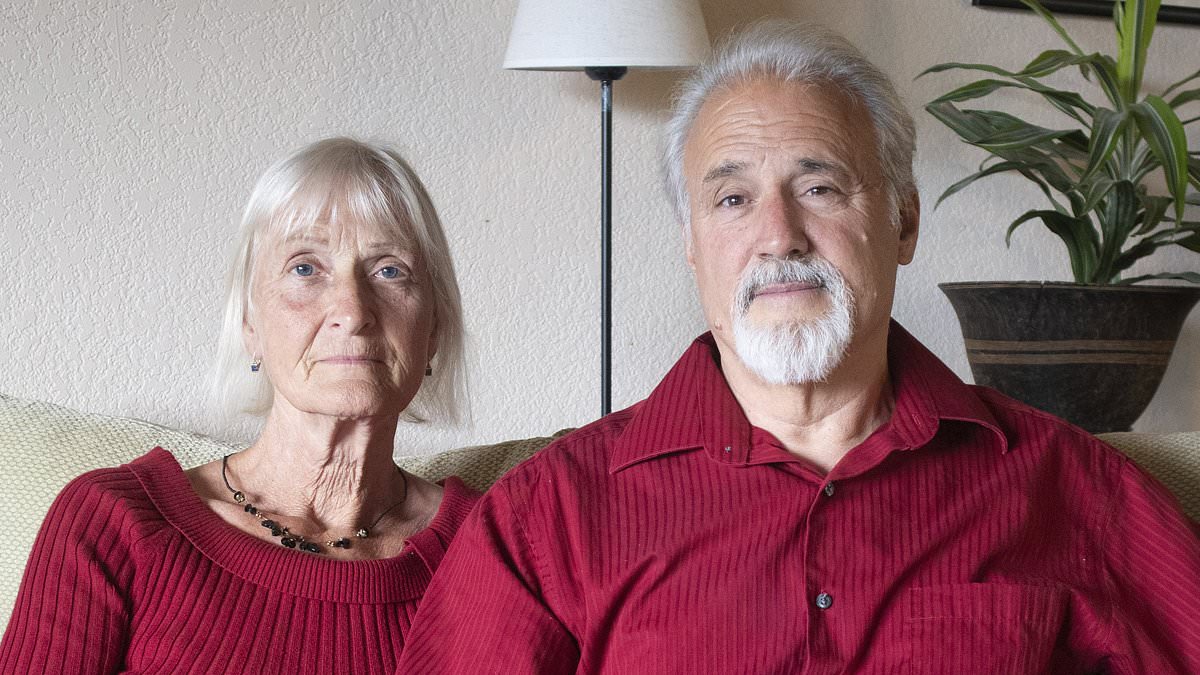
Jeff Woodke from California has finally spoken out about seven years of hellish captivity after armed men kidnapped him and drugged him on October 14, 2016. His story reveals how his abductors locked him inside a tiny box for two months in a brutal attempt to shatter his mind completely. He is sharing these details three years after being freed so others can begin healing from such deep trauma.
In an interview with The Christian Post, Woodke described the moment everything went wrong at his home in Abalak, Niger. They beat him until he could barely stand and then injected drugs before tossing him into their vehicle. He still bears indentations on his skull where rifle butts struck him during that initial attack.
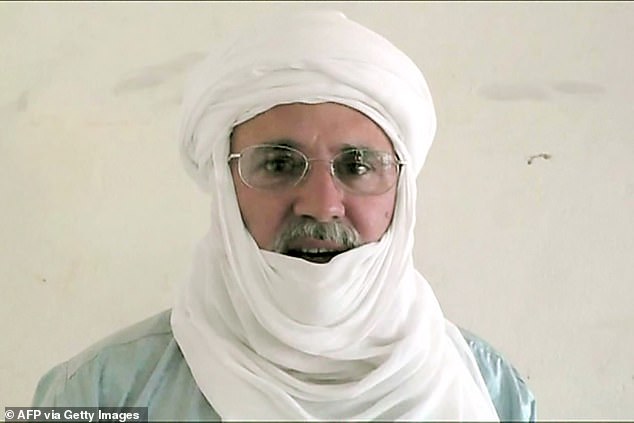
He spent most of those years chained by his ankles while sleeping on the ground in the West African desert. Temperatures there soared to 120F, yet he was forced outside during heavy rains when floods made life impossible inside. His food never changed much either. It was mostly rice or a dough-like staple served with red sauce and occasionally dried goat meat.
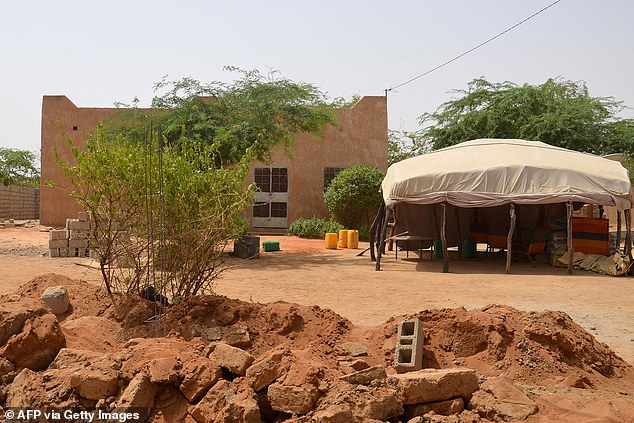
The worst moments came during that two-month period of solitary confinement in the small wooden crate. The box measured roughly four feet wide, four feet long, and four feet high. Woodke could not stand upright inside it while his captors refused to speak to him at all. They wanted to break him psychologically by total silence and darkness.
'There was a psychological dissociation, complete dissociation,' he told the outlet. 'I basically went nuts for a while. Lost time. Lost a lot.' He admits he felt so hopeless that he once started a hunger strike and prayed for God to kill him instead.
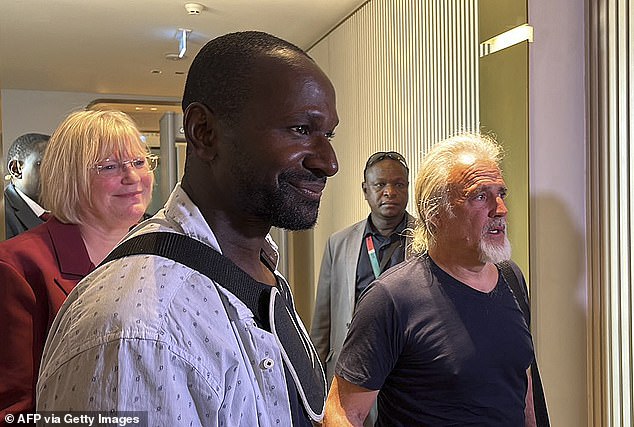
Woodke was finally released in March 2023 after more than six years of suffering. He credits love and support from his family with helping him rebuild his life. Originally from McKinleyville, he had spent decades working among vulnerable communities in Niger just a year away from retirement when militants stormed his home one night.
He stepped outside to talk with guards before preparing for sleep in the cooler air when one guard spotted a suspicious vehicle approaching. Woodke saw the muzzle of a gun before gunfire erupted around him. He tried running but was chased down and beaten until a blow to his leg severed his Achilles tendon, sending him crashing to the ground naked in the dirt.
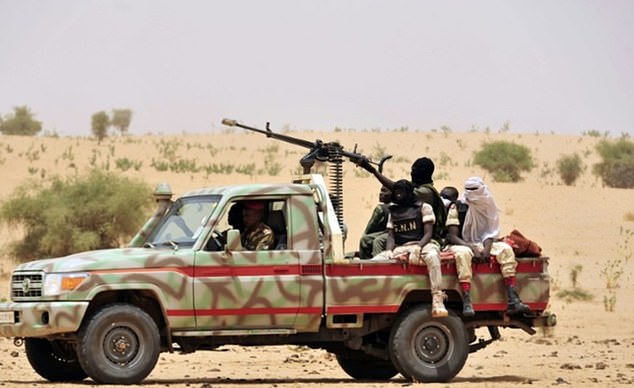
His captors drove him into the desert where he became property of human traffickers rather than a free man. Different brigades operating under JNIM held him over time, though his initial keepers were particularly cruel according to Woodke. The prolonged isolation and physical abuse left him so weak he could no longer walk on his own.
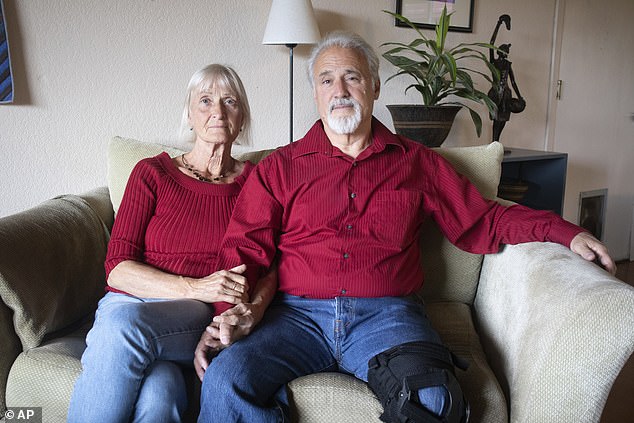
At one point he lost track of days and even parts of his religion before gaining a new kind of faith through suffering. Before being taken he spent as many as eight hours daily praying but eventually said he kind of lost his religion, yet gained his faith instead. His experience serves as a warning about how quickly life can turn into a nightmare for anyone caught in the wrong hands across West Africa today.
By the end of his captivity, John Woodke could manage perhaps 20 minutes at a time, yet he kept praying for his family without stopping. He finally walked free in March 2023, more than six years after kidnappers stole him away. The White House stated clearly that the United States paid no ransom and made no other concessions to secure his release. Officials described the outcome as a collaborative effort. But coming home did not erase the trauma he carried inside. Woodke said he feared his family might have died during the COVID-19 pandemic because he received so little information from the outside world while held captive. He also wondered how he could possibly return to normal life after years of living as a hostage. He explained that he had to relearn what it meant to be a human being again, rather than an animal. His ordeal has also shaped his views on the growing extremist threat across the Sahel, the arid region stretching between the Sahara Desert and tropical savannas to the south. He believes poverty, lack of education, neglect, foreign influence and radicalization have helped militant groups recruit young men by offering money, weapons, phones, motorcycles and status. Woodke warned Western missionaries against entering some of the region's most dangerous areas. If they go in there right now, he said, they're just going to get taken hostage again. And after experiencing what he described as the worst and the best of humanity, Woodke said he believes hatred cannot defeat hatred. The only way we're going to conquer it is not through politics and rhetoric and dogma and exclusion, but through love.
Photos