Karmelo Anthony Seeks New Trial Over Alleged Murder Pact
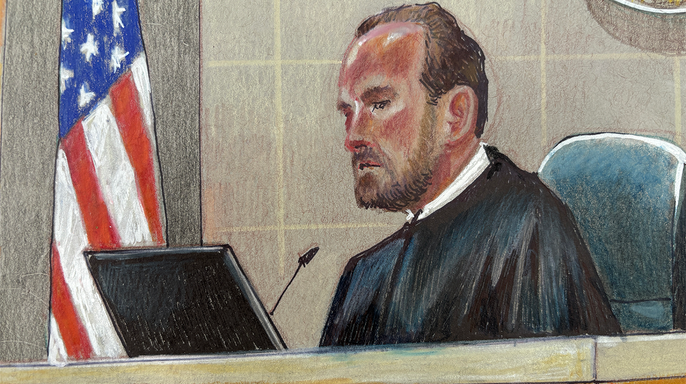
Karmelo Anthony is back in McKinney, Texas, this Friday hoping to flip his murder conviction after his old lawyer explained how a messy, unwritten deal kept him from ever stepping up on the witness stand. Retired District Judge Michael Chitty is now listening to the request for a new trial while Judge Sid Harle took over duties earlier this week by removing Judge John Roach, who had presided over the original case. Harle made the switch because he felt a reasonable person outside the courtroom could doubt Roach's impartiality after the judge publicly declared the jury "got it right" and defended his own rulings.
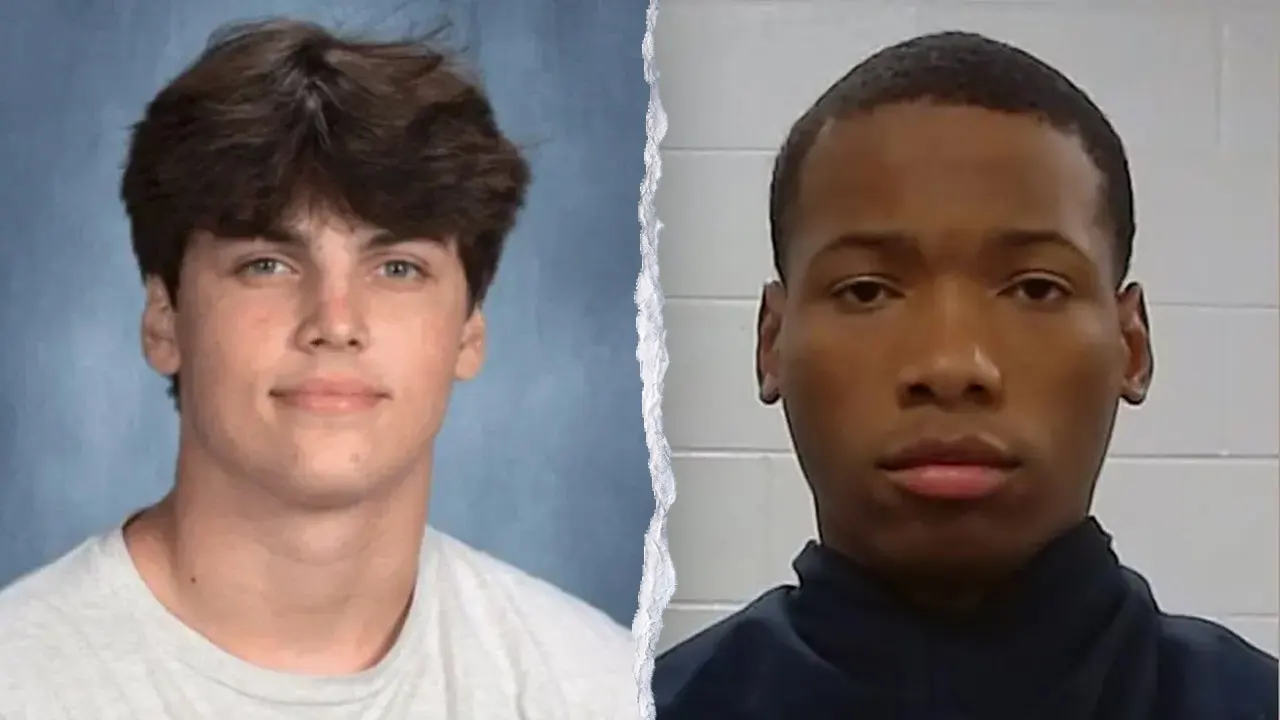
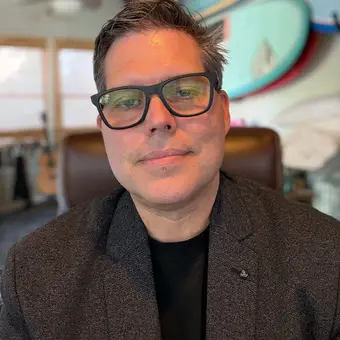
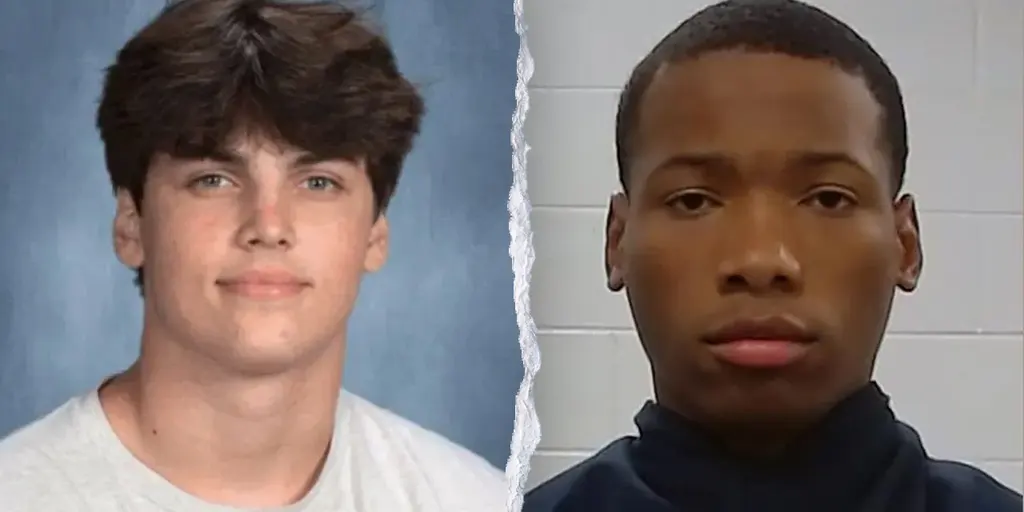
The nineteen-year-old Anthony was found guilty in June of killing seventeen-year-old Austin Metcalf, an incident prosecutors said happened when Anthony stabbed the boy during a fight at a Frisco track meet. A Collin County jury then handed down a thirty-five-year prison sentence. The heart of this new trial hearing revolves around an oral pact between Anthony's original defense team and prosecutors to hold back damaging character evidence from both sides. Former lead attorney Mike Howard told Thursday that he thought the deal allowed Anthony to testify as long as he stuck to talking about the fight under the tent at the track meet.
Things changed on the last day of trial when prosecutors reportedly told the defense the agreement no longer applied if Anthony took the stand, claiming they had already opened the door to character evidence. Howard said this sudden twist caused a heated break in court and convinced Anthony he did not want to testify. Under cross-examination, Howard admitted the lawyers never clearly agreed on whether a testifying defendant was covered by that arrangement and could not say if prosecutors acted in bad faith. Lead prosecutor Bill Wirske countered that the agreement was mutual and that everyone was lined up to keep character evidence out of the trial. Wirske insisted the state did not believe the deal applied to Anthony's own testimony.
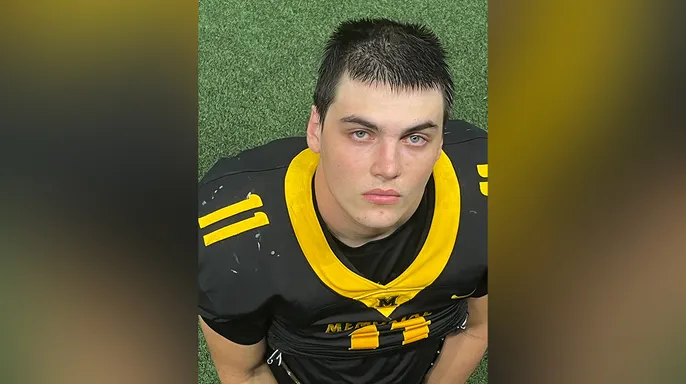
The agreement meant jurors never heard about allegations involving Anthony's history with knives or violence, according to Howard. Anthony's new legal team argues the same deal also shut out school records, social-media posts, and videos they say could have supported a self-defense claim by showing prior aggressive behavior from Metcalf and his twin brother, Hunter Metcalf. The court has not yet made findings on those specific allegations. Anthony's motion further claims that restrictions on courtroom access violated his Sixth Amendment right to a public trial and that jury instructions limited jurors' ability to consider his defense of self-defense.
Howard testified that the lawyers and Roach held more than a dozen off-the-record meetings before the trial started. He said no pretrial motions were formally filed because the parties used what he called an "old-school" system of handing materials directly to Roach. Howard also stated the defense discussed waiving some public-trial access due to security worries, but no Sixth Amendment waiver was made on the record. The decision not to use an overflow room came down to technology issues rather than a specific security threat. Former defense attorney Toby Shook told Friday that the original team understood the agreement allowed Anthony to speak about the confrontation under the tent in Frisco. Shook added that prosecutors brought up the issue on the final day, arguing a mention of Anthony's chess club in opening statements had opened the door to character evidence and that the deal did not cover Anthony taking the stand.
Shook admitted the decision threw him off guard. The defense had counted on Anthony stepping up to testify in support of his self-defense claim, but that did not happen. Wilson brought a training presentation into the courtroom that Wirske used during continuing legal education courses on the subject. One slide told defense lawyers their client "(probably) needs to testify." Shook nodded at that logic; testimony is often vital for proving innocence in these cases.
The former attorney explained what happened next. The team updated Anthony about a dispute that arose during a break. They told him Roach said he could not enforce an unwritten agreement they had relied on. Shook testified that Roach stated any objections would be ruled on based solely on the evidence presented at trial. This left Anthony in a tough spot. He wasn't sure if taking the stand would let prosecutors introduce character evidence that the original deal was meant to keep out. In the end, fear won out. Anthony decided not to testify because he worried prosecutors would "find a reason to open the door" to that very evidence they were trying to block.
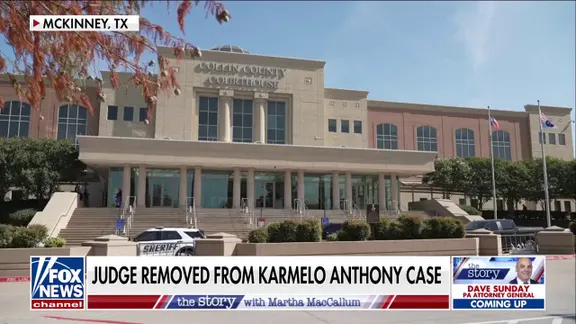
Now Chitty faces a tight deadline. Under Texas rules, he must rule on the motion by Monday. If he does not grant it by then, the law denies the motion automatically. That means Anthony's direct appeal will continue as planned. Fox News Digital has reached out to Anthony's defense team for comment and is waiting for their response. The stakes remain high as this legal battle moves forward.
Photos