Kamala Harris: Impeaching Trump Is a Waste of Time for Democrats
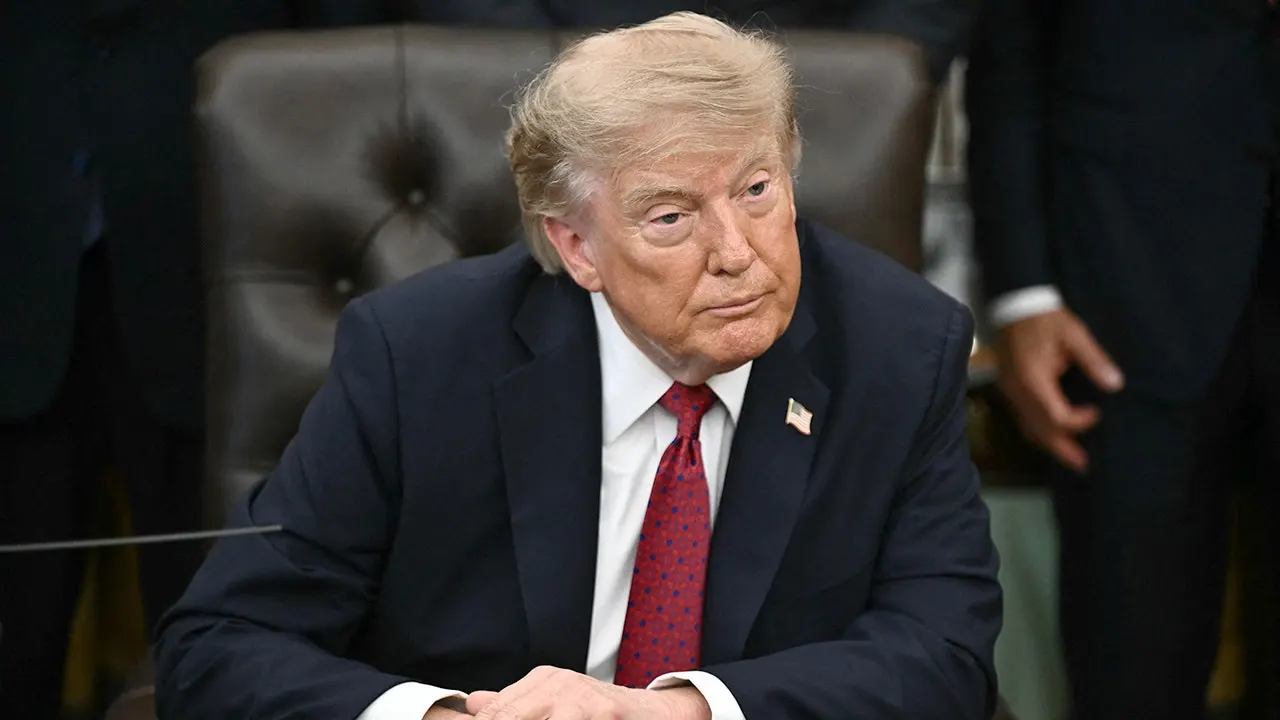
Kamala Harris dropped a bombshell Tuesday on "The Parnas Perspective" podcast. Her former colleague and current political rival, the former Vice President, argued that impeaching Donald Trump is a waste of time. She told listeners plainly, "I think that going on in the direction of impeachment is not a good idea." Harris reasoned that the Democratic Party has limited resources. Energy and money are better spent on accountability and investigations. She reminded her audience that she served in the Senate during the last go-round. The votes simply weren't there.
The panelists on "The View" picked up this thread Friday, aligning themselves with Harris’s pragmatic stance. They rejected the idea that impeachment should headline the Democratic agenda if the party retakes control of Congress in the upcoming midterms. Sunny Hostin led the charge, noting that House Speaker-elect Hakeem Jeffries has a detailed roadmap ready. Jeffries plans to tackle tax credits, limit ICE operations, and curb stock trades within the first 100 days. He also aims to undo unpopular Trump policies in the first 100 hours. Hostin believes this concrete plan offers a more productive path than chasing an impeachment vote.
Ana Navarro pushed back against the impeachment chatter with a dose of cold logic. With only four days left until the election, the priority must be winning the seats. She urged voters to ignore the noise about impeachment and focus on getting to the polls. The American people need to decide who holds power in the House and Senate. Navarro pointed out a hard reality: even if Democrats win both chambers, Trump remains president. Legislation requires his signature or a veto-proof majority. That is a nearly impossible hurdle. She stated she is completely against impeachment. There are 100 other ways to hold the administration accountable. Impeachment is moot without the 67 Senate votes needed for conviction.
Joy Behar drew a historical parallel to Richard Nixon. Nixon resigned because he knew he lacked the Senate support to survive conviction. Behar applied that same logic to the current situation. If the votes to convict do not exist, impeaching serves no purpose. It is a symbolic gesture, not an effective tool.
Sara Haines offered a different angle, focusing on voter sentiment. Many of Trump’s own supporters are furious with him for breaking campaign promises. He has been remodeling, redecorating, and seeking revenge, leaving voters high and dry. This dissatisfaction is why red states are flipping to blue. Haines argued that Democrats should capitalize on this anger by delivering results. They need to show action. Even if legislation stalls at the presidential veto, they must spin the wheels. They must put up policy, take things to a vote, and demonstrate they are acting for the people who elected them.
Alyssa Farah Griffin summed up the consensus. Impeachment is not where the focus should be. The strategy is clear: win the election, then govern. The community impact hinges on effective legislation and oversight, not on a constitutional weapon that may never fire. This approach prioritizes tangible results over political theater. It respects the constraints of the system while demanding accountability. For voters, it signals a shift from rage to governance.
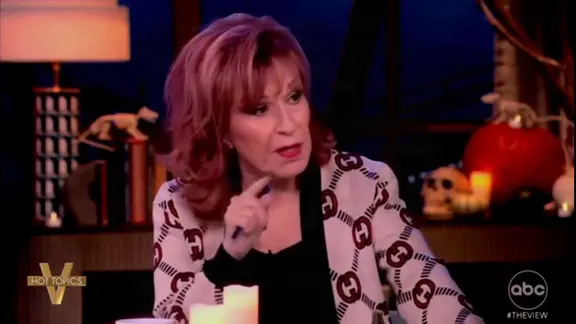
Running a full-blown impeachment trial is an expensive proposition, one that demands significant resources for both investigation and proceedings. The strategic debate among Democratic leaders has shifted away from punitive measures toward immediate legislative action. A recent argument suggests that day-one priorities should focus on issues where bipartisan support is more likely to materialize.
Repealing President Trump’s tariffs stands out as a primary target. This move rests squarely on the power of the purse, a constitutional authority Congress controls. Pausing or winding down the conflict with Iran represents another high-impact goal. Both actions carry the potential to lower fuel prices for consumers, a tangible benefit that could draw Republican votes to the center. The focus should remain on these economic levers rather than political theater.
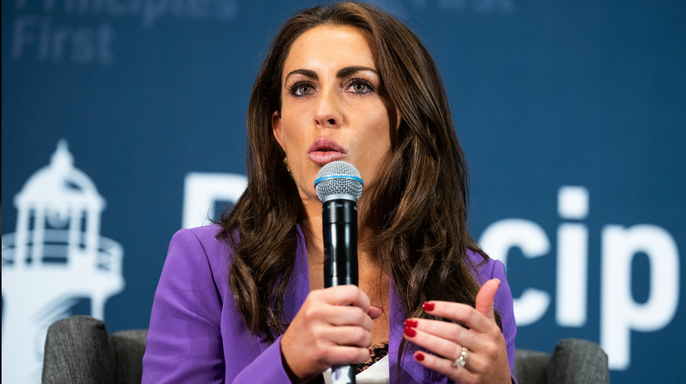
This sentiment echoes warnings issued earlier this month by veteran strategist James Carville. Carville cautioned Democrats against pursuing impeachment if their party secures control of Congress in the upcoming midterms. He argued that the political and public conditions simply do not favor such a high-stakes maneuver.
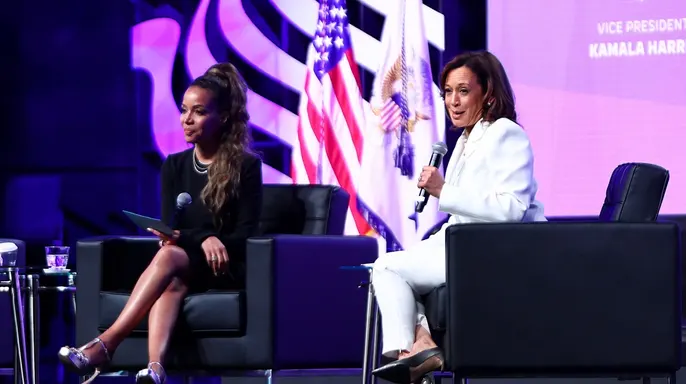
Dan Turrentine, a Democratic strategist and co-host of "The Huddle" podcast, offered a similar perspective to Fox News Digital. He noted that the Senate math and public opinion are not aligned for an immediate impeachment push. Americans are expressing anger over specific policy failures, including the economy, tariffs, healthcare costs, the war with Iran, and perceived corruption. The prevailing feeling among voters is that the president is preoccupied with everything except their daily struggles.
Turrentine emphasized that the party’s mandate is to address these real-world problems while maintaining appropriate oversight of the executive branch. Trust in the electorate’s ability to hold leaders accountable remains a core tenet of this approach. Chasing revenge or settling political scores is the fastest route to returning to the minority position. It leaves the party on the outside, looking into the White House, rather than inside it shaping policy.
Photos