Justice Department Identifies Over 20,000 Suspected Noncitizen Voter Registrations in California
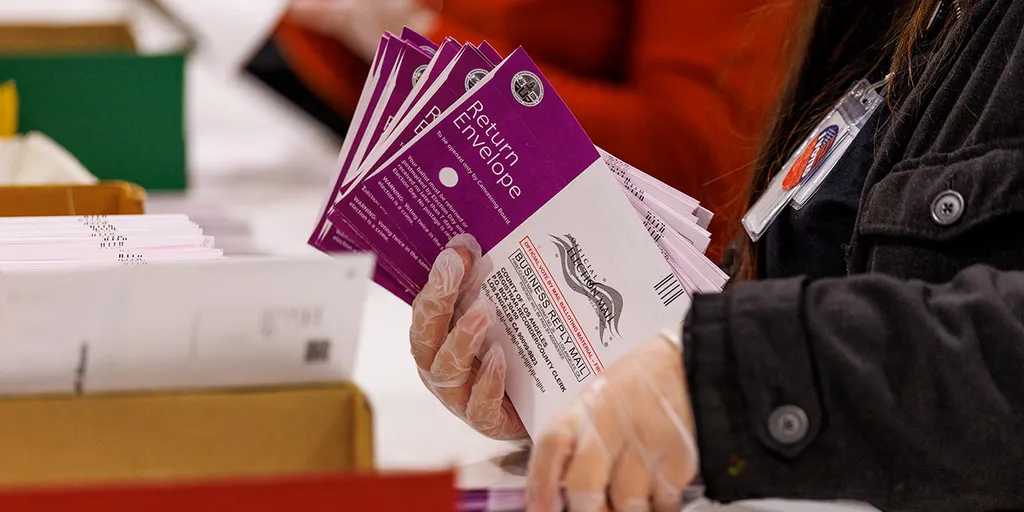
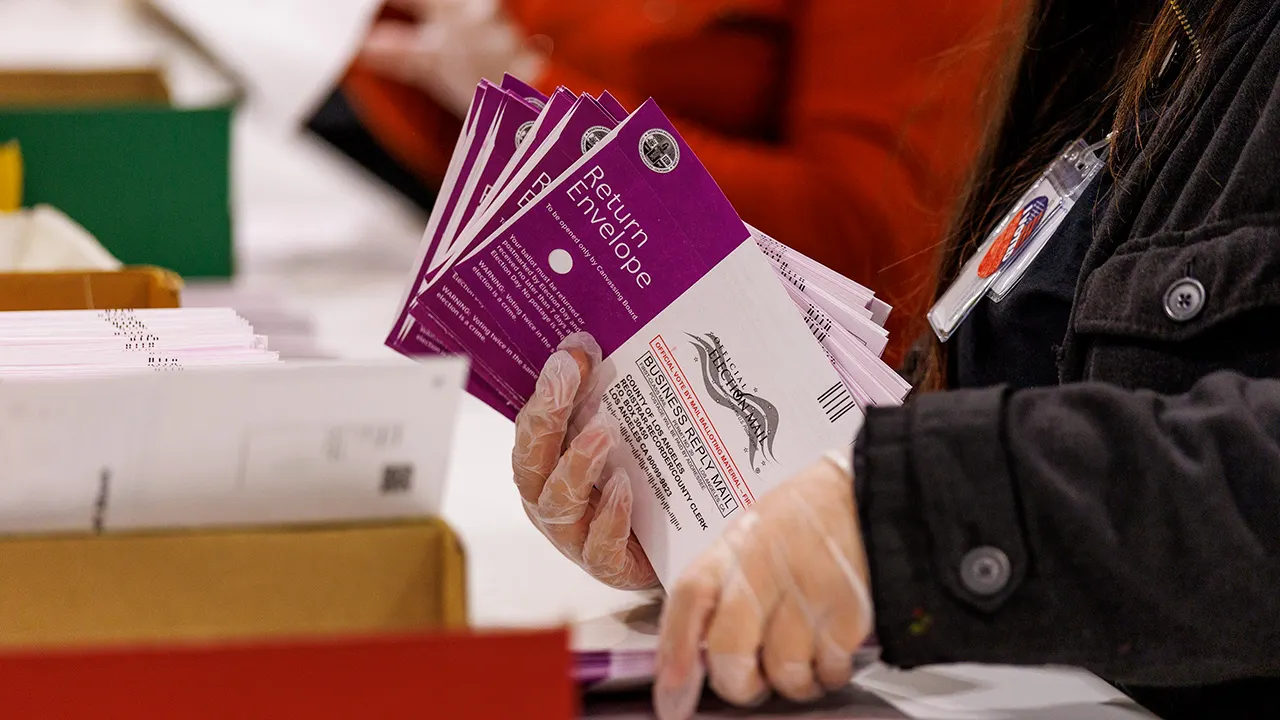
The Justice Department dropped a bombshell Wednesday, identifying thousands of suspected noncitizen voter registrations across California and Washington. The numbers are staggering: over 20,000 likely noncitizens on California rolls, with many addresses pointing directly to Los Angeles County. Washington faces a smaller but still significant count, with more than 400 suspected cases. These findings land just days before the Nov. 3 midterm elections, injecting fresh chaos into an already tense political climate.
J. Christian Adams, president of the Public Interest Legal Foundation, points the finger squarely at automatic voter registration systems. Speaking to Fox News Digital, he argued that local officials are willfully ignoring federal tools designed to verify citizenship. His frustration is palpable.
"Noncitizens are getting on the rolls all over the country through the motor voter program," Adams said. "They're going into (the) DMV/ Sometimes they're even telling the DMV they’re not citizens, and states are still registering them to vote."
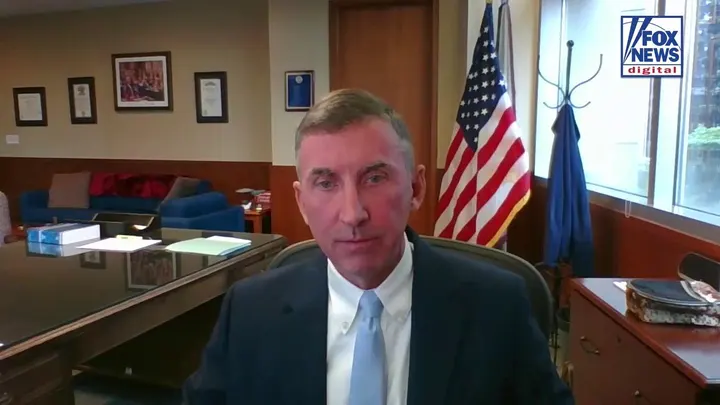
Adams believes this systemic failure is why noncitizens end up registered in states like Washington and California. Both states legally require U.S. citizenship for voting. Yet their implementation differs sharply. California allows DMV customers to be automatically registered if they indicate eligibility. Washington ties its automatic registration through the Department of Licensing to transactions that demand proof of citizenship, such as obtaining an enhanced driver's license or ID.
Despite these structural differences, federal officials claim the loopholes are wide open. The timing is awkward. This data leak hits right before voters head to the polls, raising urgent questions about election integrity.
Washington Secretary of State Steve R. Hobbs fired back on Wednesday, dismissing the Justice Department's findings as flawed. He accused the DOJ of relying on a list riddled with "several glaring deficiencies." According to Hobbs, the data includes U.S. citizens and individuals who are no longer registered to vote.
"Without individualized proof of ineligibility, it would be both irresponsible and illegal for election officials to decline to process a registered voter’s ballot," Hobbs stated. He challenged the federal government to produce specific evidence. "If you have individualized proof, I invite you to provide it so election officials can take appropriate steps that are consistent with federal and state law."
The California Secretary of State’s office struck a similar note last week. A review of the DOJ’s data on Los Angeles County revealed what they described as "significant accuracy problems with their sweeping claims." The tone was blunt, bordering on accusatory.
"At best, this litigation is a reckless political stunt. At worst, it threatens to disenfranchise thousands of Californians this election," the office said.
Adams disagrees with this defensive posture. He argues that election officials are choosing not to use the Department of Homeland Security’s Systematic Alien Verification for Entitlements (SAVE) database. He calls SAVE the "best database there is for aliens" and claims it is "just sitting there waiting for them to use."
The core of his argument rests on voluntary action. Federal law does not mandate that states check the SAVE database.
"They don't want to check. They don't have to check. Federal law doesn't require them to check.
The Department of Justice is leaning heavily on the SAVE database, a federal tool designed to provide citizenship data to state election officials. Adams pointed out that specific federal law mandates this availability. But Hobbs fired back, labeling the database "unreliable" in her critique. Her argument centers on a simple logical gap: just because a name isn't there doesn't prove someone is an illegal resident.
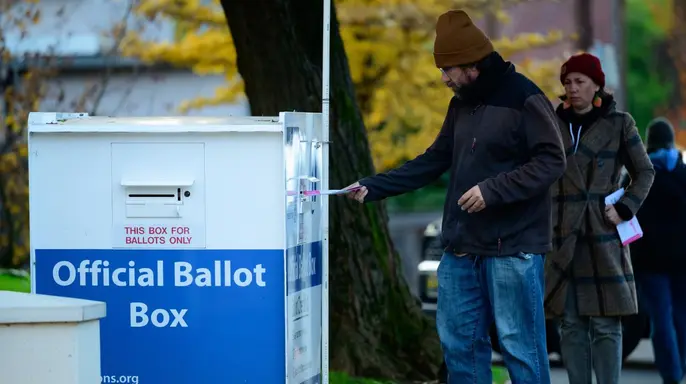
"It cannot rely on the mere absence of a name from the SAVE database or the department’s assertions based on the vague and untested methodology described in the lawsuit against California," Hobbs warned.
The stakes are high. DHS alleges that more than a quarter-million noncitizens may be registered to vote in four key states. Adams claimed his team found far more trouble in California than just foreign nationals on the rolls. Duplicate entries? Check. Registrations tied to people who have already died? Also check. He blames the state’s election machinery for letting partisan politics hijack the process.
"It's what we expect now from California because partisan politics has taken over election administration in that state," Adams said.
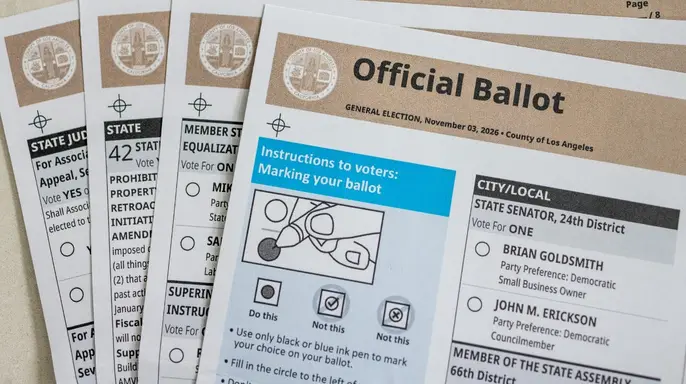
He accused state officials of playing games. They seem to believe that checking citizenship is a trick to stop people from voting. Adams rejects that framing.
"They think it's part of the program to disenfranchise people if they check citizenship, but it's not," he added. "They're saying that everything's fine here. ‘Don't look at us. We're as good as it can be,’ But the reality is they're really not using the data that are available to keep the rolls clean."
DOJ has threatened emergency legal action against California over these suspected noncitizen voters. Adams noted that other states, like Florida and North Carolina, have looked at the same SAVE data and found significantly fewer problems. That contrast highlights just how messy the administration in California and Washington appears to be.
This disclosure is a rare public accounting of suspected noncitizen registrations. But will it change anything for the upcoming midterms? Adams says the odds are slim. Legal audits typically happen in off-election years. That gives courts time to breathe and review the law. Rushing into court right before an even-numbered election year creates a different problem. Courts often dismiss challenges based on "laches." That is a legal principle that punishes a party for waiting too long to act without a good excuse.
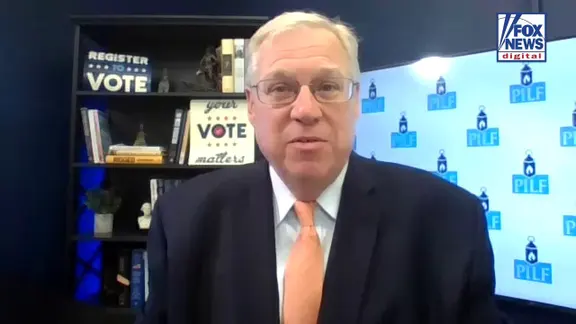
"There's very little you can do right before an election. That's why the hard work in these cases is in odd-numbered years, not in October or even-numbered years. So, you really have to do this stuff early, or you could lose on what's called laches," he explained.
Timing is a hurdle, but Adams still respects the move. Having spent more than a decade in the DOJ’s Voting Section, he sees this as a shift in momentum.
"Nobody took noncitizen registration seriously until now. And that's a welcome change," he said.
Photos