Juror's Sudden Objection Throws NYPD Officer's Murder Trial into Legal Uncertainty

The trial for the murder of NYPD Officer Jonathan Diller turned into a spectacle of legal uncertainty when a juror's sudden objection upended the courtroom. Guy Rivera, 34, stood silently as the jury returned to the Queens Supreme Criminal Court, where a supposed verdict of acquittal on first-degree murder charges was announced. Yet, as the judge pressed each juror individually, one voice broke the silence: Juror No. 5 denied the verdict was unanimous. This revelation forced the court to send the jury back for further deliberations, casting doubt over the process and raising questions about how a group of 12 individuals could reach such a starkly divided conclusion on a case that had already gripped the city.
The incident unfolded on a day already heavy with emotion. Officer Diller, a beloved member of the NYPD, had been fatally shot during a routine traffic stop on March 25, 2024, in Far Rockaway. His wife, Stephanie Diller, and mother sat in the courtroom, their faces etched with grief as the initial verdict was read. When Rivera was acquitted of first-degree murder, both women gasped, their reactions a visceral reminder of the tragedy that had brought them to this moment. The courtroom's atmosphere shifted dramatically as the jury's confusion became public, with jurors later passing notes—one inquiring about the time limit for deliberations and another asking if Juror No. 8 could cancel a personal appointment. Judge Michael Aloise, visibly frustrated, told the jury there was no cap on how long deliberations could take, a statement that underscored the gravity of the case and the difficulty of reaching consensus.
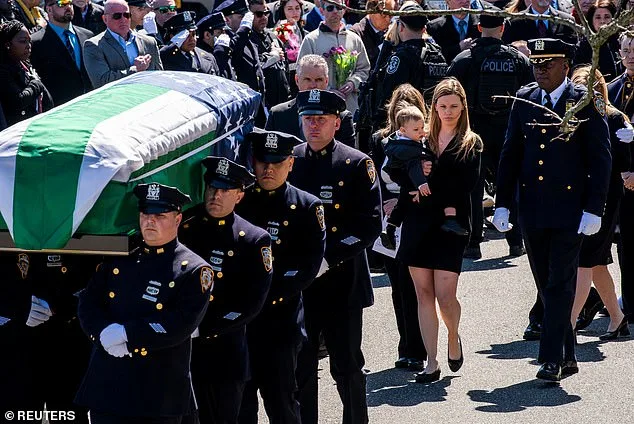
The final verdict, once the jury reconvened, found Rivera guilty of aggravated manslaughter in the first degree, attempted murder in the first degree, and criminal possession of a weapon. These charges carry a potential sentence of up to 90 years without parole, a stark contrast to the acquittal on the most severe charge. The court's handling of the situation highlighted the delicate balance between justice and the procedural hurdles of a murder trial. Yet, the partial conviction left lingering questions: Could the jury's initial disagreement have been due to conflicting evidence, or did it reflect deeper divisions over the weight of the charges? The case also brought into focus the role of bodycam footage, which Stephanie Diller had reportedly covered her ears to during closing arguments, suggesting the graphic nature of the evidence had left an indelible mark on the courtroom.
Queens District Attorney Melinda Katz issued a statement emphasizing the tragedy of Diller's death, noting that his final words to his wife were "I love you." The DA framed the case as a reminder of the sacrifices made by officers like Diller, who had been scheduled to be off-duty on the day of the shooting. He had been at a park with his wife and son when he was called in, a twist of fate that underscored the unpredictability of duty. Outside the courtroom, uniformed officers gathered in solidarity, their presence a testament to the community's support for the Diller family and the broader NYPD.
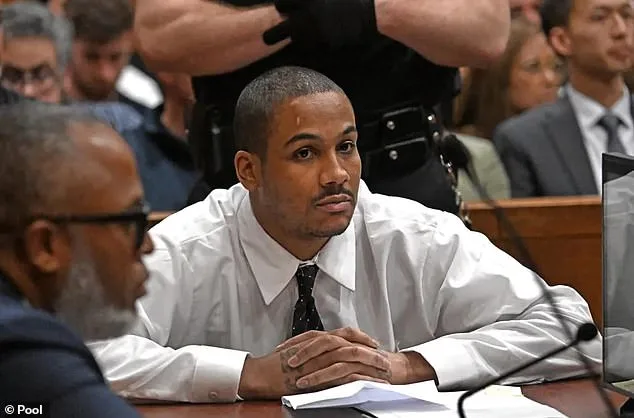
The trial's chaos raises a troubling question: How can a jury tasked with delivering justice become so divided on a case as clear-cut as a murder? The partial conviction of Rivera may offer some measure of closure, but the unresolved tension between the jury's conflicting views leaves a shadow over the proceedings. For Stephanie Diller and the Diller family, the outcome is bittersweet—a recognition of the crime committed, yet a lingering sense that the full weight of justice was not met. As the legal system grapples with the complexities of this case, the story of Jonathan Diller remains a poignant reminder of the human cost behind every courtroom decision.
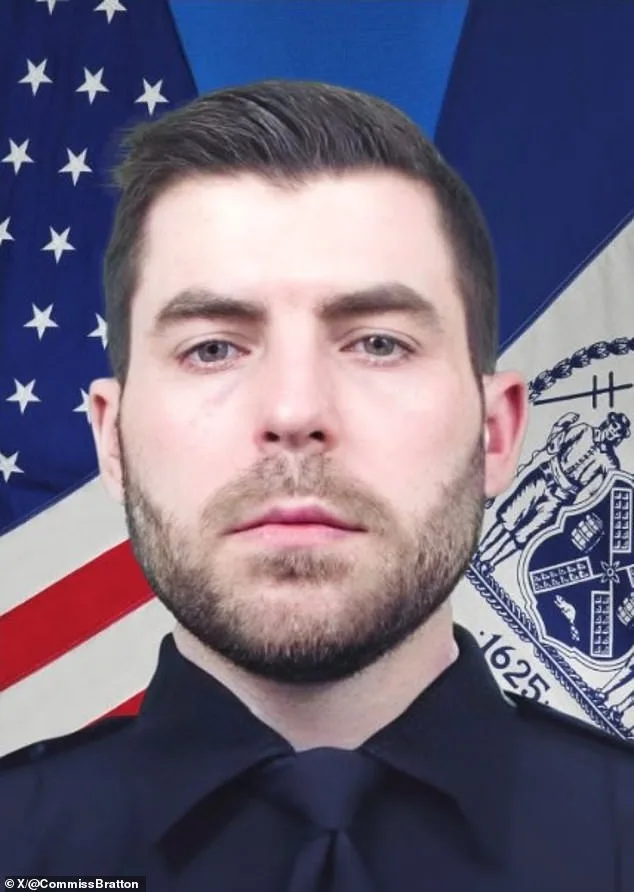
The harrowing incident that unfolded on a quiet street corner left a community reeling and a family shattered. Rivera, a man with a documented history of violent crime, allegedly opened fire during a routine traffic stop after being ordered to exit his vehicle by Detective Jon Diller. Surveillance footage captured the chaos as three gunshots echoed through the air, sending bystanders scrambling for cover. Diller's voice pierced the chaos—"I'm hit!"—as he clutched his abdomen, blood staining his uniform. The footage then showed a moment of extraordinary bravery: despite being critically wounded, Diller managed to move a dropped weapon away from Rivera, an act that would ultimately cost him his life. The officer was rushed to Jamaica Hospital, where he was pronounced dead hours later. Rivera, who survived the encounter with injuries, was later hospitalized and allegedly confessed to concealing a knife in his rectum, according to prosecutors. He faces up to 90 years without parole on charges including murder, attempted murder, and weapons possession.
The tragic incident has sparked renewed calls for action against gun violence and the systemic challenges that allow individuals like Rivera to cycle through the criminal justice system. Rivera's criminal record is a grim testament to the failures of rehabilitation and deterrence. He had 21 prior arrests, including convictions for first-degree robbery, illegal gun possession, and multiple assaults. His prison record includes a five-year stint on drug charges, followed by a second incarceration from 2011 to 2014 for first-degree assault. Paroled in 2021, Rivera's return to the streets culminated in this deadly confrontation. Detective Diller, a father of six and a husband to his wife of six years, was remembered not only as a dedicated officer but as a man who believed in the power of law enforcement to protect communities. His brother-in-law, Jonny Mac, spoke emotionally about the void left by Diller's death: "To those of you out there in the streets, it can be so easy to become wrapped into the moment… Remember those who love you at those moments."
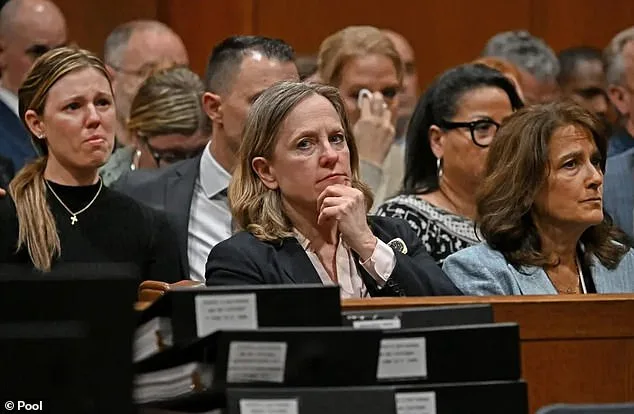
The emotional toll on Diller's family is immeasurable. His young son, now just one year old, will grow up without a father, a loss that Mac vowed to honor by stepping into the role of guardian. "I swear to you that I will look after your son as if he were my own," Mac said in a 2024 statement, echoing the grief of a community that once counted Diller among its protectors. The incident also underscores the risks faced by law enforcement in their daily work. Detective Diller's actions—disarming a suspect despite being shot—highlighted both his courage and the perilous nature of his job. "Detective Diller was shot and killed while trying to rid our streets of illegal weapons," said prosecutors, emphasizing that his death was a stark reminder of the stakes involved in the fight against gun violence.
As Rivera's trial unfolds, the case has become a focal point for debates about criminal justice reform, the recidivism of violent offenders, and the need for stronger measures to prevent tragedies like this. For Diller's family and colleagues, however, the immediate focus remains on mourning a man who gave his life in service. His legacy, they say, will live on not just in the legal consequences for Rivera but in the lives he touched and the example he set. The community now faces the daunting task of healing while grappling with the reality that such violence can strike anywhere, at any time.
Photos