Junior Doctors' Strikes Cost NHS £3 Billion Amid Ongoing Dispute

Striking junior doctors have imposed a £3 billion financial burden on the NHS, with the 15th wave of industrial action since 2023 beginning today. The walkout, which starts at 7am and lasts six days, follows a pattern of recurring strikes that have repeatedly disrupted healthcare services. Each strike costs the system £50 million per day, driven by the need to cancel procedures and pay consultants up to £313 per hour to cover for absent junior doctors, now termed "resident doctors." This staggering expense could fund 1.5 million operations, 15 million outpatient appointments, or 75,000 nurses annually, or build three new hospitals. The cumulative cost has raised alarms among health officials, who warn of long-term strain on an already stretched system.
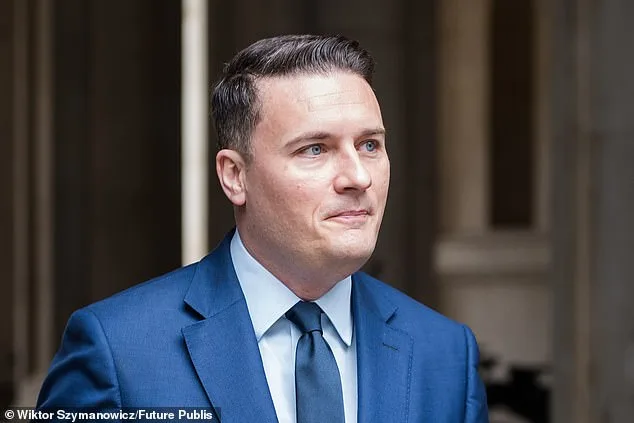
The dispute centers on a demand for a 26% pay rise, adding to the 28.9% increase already secured by junior doctors over the past three years. Health Secretary Wes Streeting has accused the British Medical Association (BMA) of "sapping the health service of vital funds," criticizing the timing of the strike as calculated to maximize disruption. He highlighted that the cost now runs into the billions, with each six-day walkout likely to exceed £250 million. The government claims it is providing record funding for the NHS but has called on the BMA to reconsider its stance, urging the union to prioritize patient needs over financial demands.
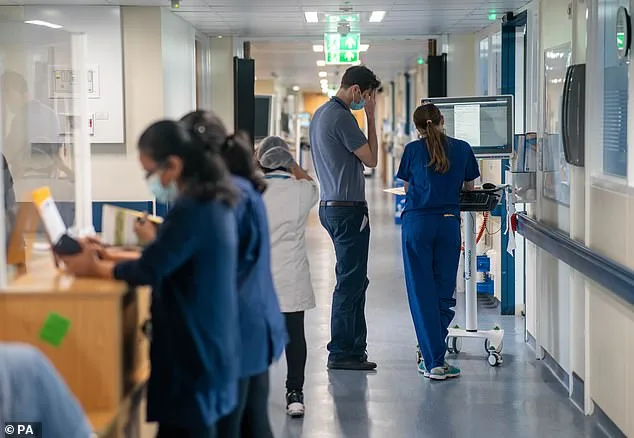
NHS England has warned that the strike, occurring immediately after the Easter bank holiday, will strain services further. Officials anticipate a surge in demand as patients delay care during the extended break, compounded by staff taking annual leave during school holidays. This creates a dual challenge: fewer available workers to cover shifts and an influx of patients needing urgent care. NHS England's chief executive, Sir Jim Mackey, emphasized that the money spent on managing strikes should instead fund reforms to improve patient care. He acknowledged the difficulty of this week's walkout but stressed that services remain open and urged patients to attend appointments and seek emergency care as usual.
The BMA rejected a previous offer that would have raised resident doctors' pay to 35% over three years and created thousands of training positions. Accepting this deal would have allowed some doctors to earn over £100,000 annually, while first-year trainees would have started at an average of £52,000. The union's current demands focus on addressing underfunding and workloads, which it argues have been exacerbated by years of pay stagnation and rising patient demands. The government's refusal to meet these demands has left the BMA with no choice but to continue striking, despite the financial and operational toll on the NHS.
An estimated 7.25 million routine treatments were pending by January, affecting 6.13 million patients. This backlog highlights the systemic challenges facing the NHS, where strike-related disruptions compound existing delays. Experts warn that the cumulative impact of 15 rounds of strikes in three years risks eroding public trust in the healthcare system. As the latest walkout begins, the debate over funding, pay, and service delivery remains unresolved, with no immediate resolution in sight.
The number of patients waiting beyond 18 weeks for treatment has declined for the third consecutive month, signaling a glimmer of progress in a system under immense strain. Yet this slow improvement is overshadowed by ongoing disputes between healthcare workers and government officials, which threaten to stall further reductions in waiting times. The National Health Service, already stretched thin, faces a critical juncture as both sides remain entrenched in their positions.
Industrial action has become a recurring obstacle, with strikes disrupting services and delaying care for thousands. Doctors and nurses, represented by the British Medical Association, argue that current pay offers fail to address the unsustainable workload and risks to patient safety. Their decision to continue striking despite government assurances has drawn sharp criticism from Labour leaders, who view the action as a direct challenge to their electoral commitments.
Health ministers have repeatedly emphasized their willingness to negotiate, but union leaders insist that any resolution must include substantial pay increases and better working conditions. The BMA's stance reflects deep frustration among frontline staff, many of whom report burnout and unsafe staffing levels. Without a breakthrough, the NHS risks falling further behind on its targets, with patients bearing the brunt of the stalemate.
Keir Starmer has accused the BMA of "reckless" behavior, claiming their rejection of the government's pay offer undermines efforts to stabilize the healthcare system. This rhetoric has intensified tensions, with union representatives countering that Labour's promises are hollow without meaningful investment. The political battle has spilled into public discourse, with patients and families caught in the crossfire.
The potential fallout extends beyond statistics. Communities reliant on NHS services face prolonged suffering, while healthcare workers grapple with moral and physical exhaustion. If strikes continue, the system may reach a breaking point, forcing a reckoning over the long-term sustainability of public healthcare. For now, both sides remain locked in a standoff that shows no immediate sign of resolution.
Labour's pledge to meet the 92% treatment target by a specific deadline hangs in the balance. Mr. Streeting has called the BMA's strike plans "disappointing," but his words have done little to ease the growing divide. With elections looming, the pressure to resolve the crisis intensifies, yet the path forward remains unclear.
The dispute has exposed deeper fractures in the NHS, where years of underfunding and rising demand have created a perfect storm. While the government pushes for compromise, frontline workers demand guarantees that their concerns will be addressed. Without trust on both sides, the cycle of strikes and delays is likely to persist, leaving patients and staff in limbo.
Efforts to mediate have so far failed to bridge the gap between the BMA's demands and the government's proposals. Union leaders warn that without a significant shift in approach, the NHS could face a wave of further industrial action. This scenario would not only worsen waiting times but also damage public confidence in the healthcare system.
The stakes are high for all involved. Patients may see their care delayed indefinitely, while healthcare workers face the grim choice between striking and enduring untenable working conditions. The political implications are equally profound, as Labour's ability to deliver on its promises is now tied to the success of these negotiations.
As the clock ticks down to key deadlines, the NHS stands at a crossroads. The coming weeks will determine whether this crisis is resolved through dialogue or further escalation. For now, the only certainty is that the system remains in turmoil, with no clear end in sight.
Photos