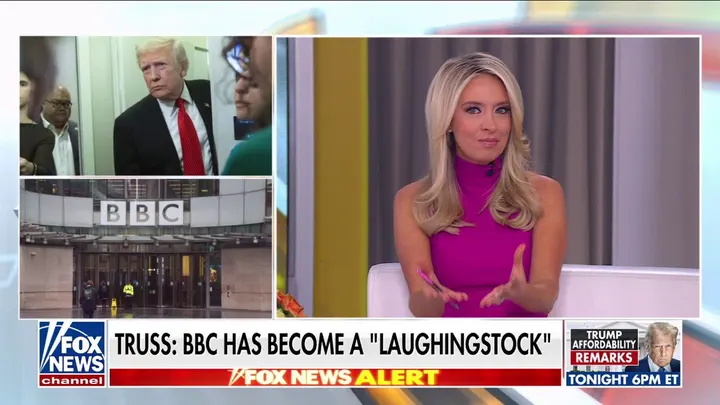
Judge Orders Trump to Sit for BBC Deposition by Dec. 11
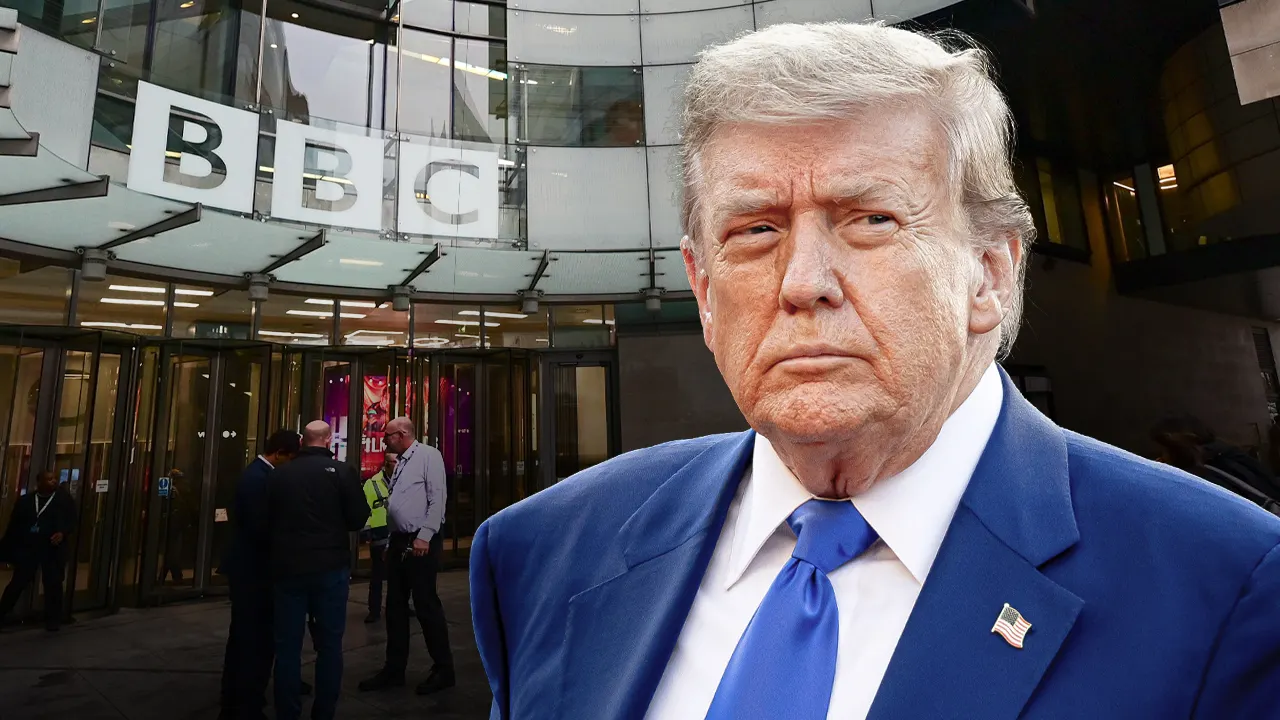
On Thursday, a judge issued an order demanding that President Donald Trump sit for a deposition in his massive $10 billion defamation suit against the British Broadcasting Corporation. U.S. Magistrate Judge Enjoliqué Lett set a hard deadline of Dec. 11 for this testimony. The clock stops at Dec. 18 unless the court extends the discovery window further. This ruling comes after the BBC's lawyers complained about delays, noting that Trump had previously cancelled a scheduled session for Oct. 16.
A spokesperson for Trump's legal team told Fox News Digital that the formerly respected and now disgraced BBC defamed President Trump by intentionally, maliciously and deceptively doctoring his speech in a brazen attempt to interfere in the 2024 presidential election. The statement painted a clear picture of intent. "The BBC has a long pattern of deceiving its audience in coverage of President Trump, all in service of its own leftist political agenda," the spokesperson said. They argued that President Trump's powerhouse lawsuit is holding the BBC accountable for its defamation and reckless election interference just as he has held other fake news mainstream media responsible for their wrongdoing. A spokesperson for the BBC declined to comment on these accusations.
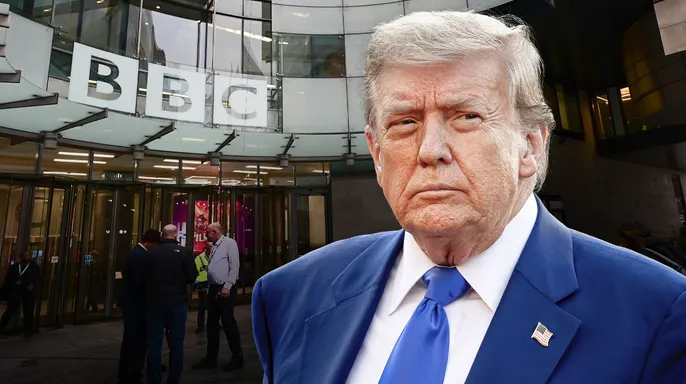
The court also limited the BBC from relitigating issues regarding Jan 6 within this specific Trump lawsuit over a misleading documentary edit. The BBC had previously filed a motion to compel Trump's deposition, claiming they understood that his deposition requires additional planning and that he accepted the obligations of civil litigation when he chose to file the suit.
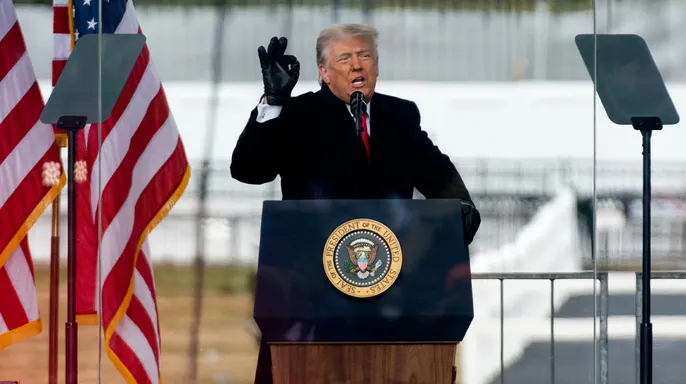
Trump launched this $10 billion lawsuit late last year targeting the 2024 "Panorama" documentary which distorted his remarks to supporters on Jan. 6, 2021. Critics say the film was misleading because it omitted Trump's call for supporters to protest peacefully, splicing together separate portions of a lengthy address to give a wrong impression. The documentary showed Trump saying, "We're going to walk down to the Capitol. And I'll be there with you. And we fight, we fight like hell." In reality, he said, "We're going to walk down to the Capitol. And we're going to cheer on our brave senators and congressmen and women, and we're probably not going to be cheering so much for some of them, because you'll never take back our country with weakness. You have to show strength, and you have to be strong." It wasn't until 54 minutes later that Trump called on his supporters to fight like hell for election integrity.
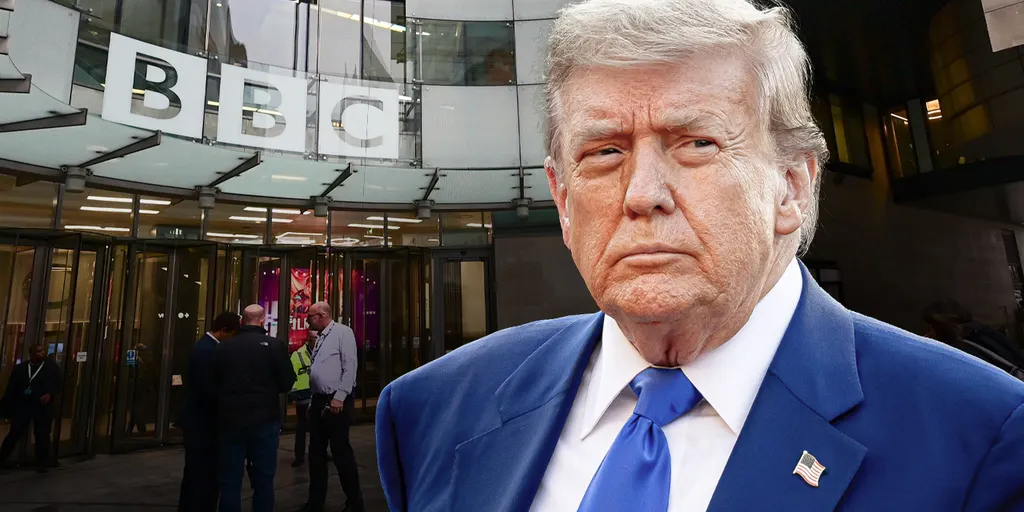
The BBC previously issued an apology for the erroneous edit and said it had pulled the program from its platforms. Despite the apology, the broadcaster has insisted the mistake is not enough for a defamation claim. The controversy led to the resignations of BBC News CEO Deborah Turness and BBC Director-General Tim Davie. This saga raises serious questions about how government directives and judicial orders shape public discourse when powerful figures face legal battles. It forces the media giant to answer for its actions under strict court supervision.
Photos