Judge Denies Request To Pause Birthright Citizenship Executive Order
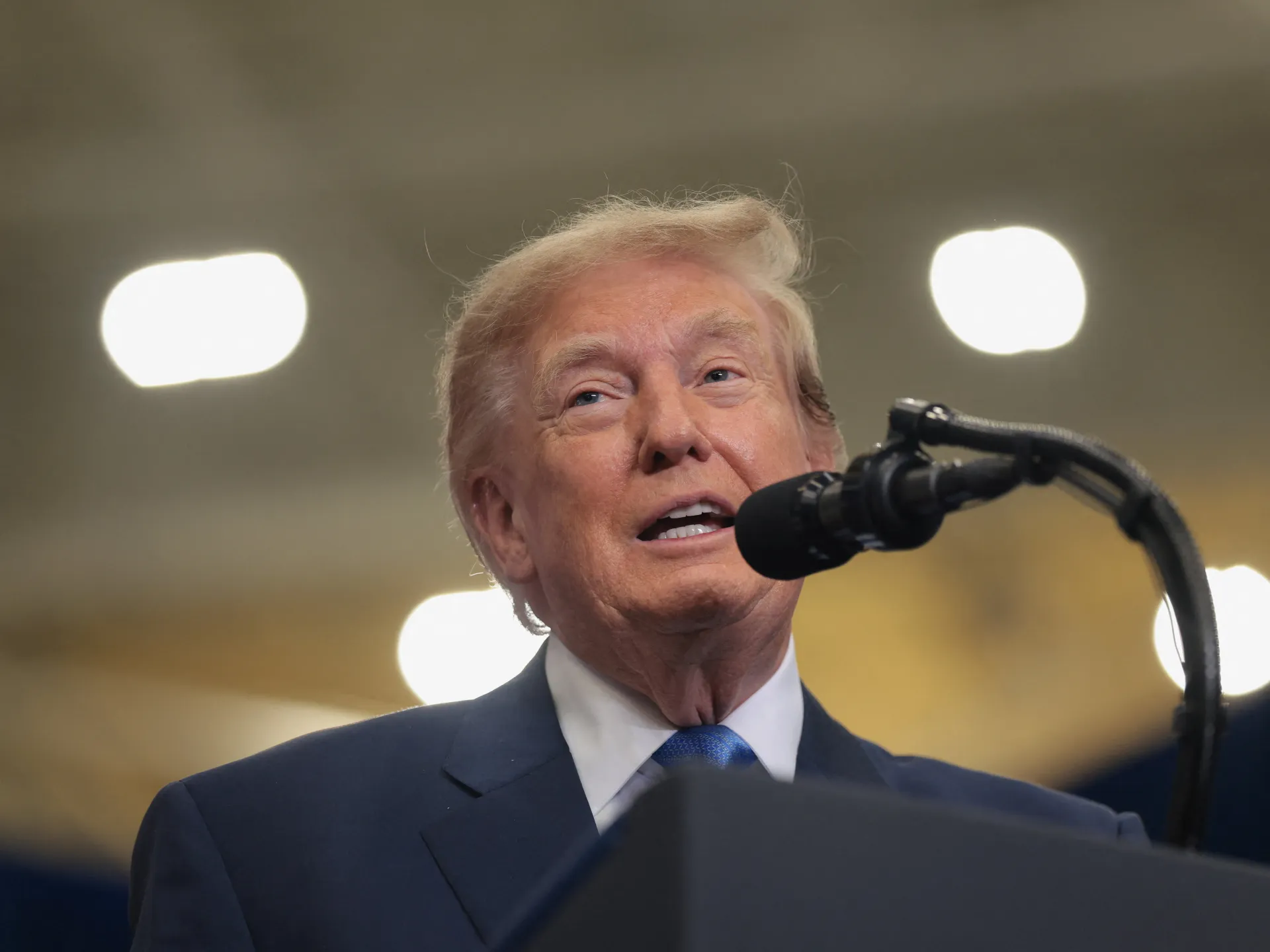
A federal judge has thrown out a request to pause President Donald Trump's new executive order limiting birthright citizenship. This ruling marks a short-term blow for advocates fighting immigrant rights, who must now rewrite their legal petition. Judge Deborah Boardman denied the temporary restraining order on Friday. She is an appointee of former President Joe Biden yet admitted she remains worried about the administration's latest move.
"This is unprecedented," Boardman stated regarding the new directive. Her decision signals that the plaintiffs, a mix of immigrant families and advocacy groups, must directly address this second executive order in their suit. This case continues a long legal battle over citizenship rights. The judge promised to schedule another hearing once the group files a revised complaint that tackles these specific claims head-on.
Boardman previously blocked Trump's first attempt at restricting birthright citizenship back in 2025. She declared that initial order unlawful before issuing her own injunctions. Since then, Trump has pushed hard to narrow who qualifies for US citizenship at birth. He and his supporters claim the policy drives "birth tourism." They argue parents travel here solely to have babies as a way to secure legal status for their children.
Birthright citizenship is written into the Fourteenth Amendment of the US Constitution. It guarantees that almost every child born on American soil becomes a citizen. This rule applies regardless of who their parents are or what immigration papers they hold. Congress passed this amendment in 1868 after the Civil War to protect formerly enslaved people from losing their rights. Over time, the Supreme Court has backed its broad reach.
In United States v Wong Kim Ark, the high court ruled that an American man born to Chinese immigrants in San Francisco could not lose his citizenship. The text states "all persons born or naturalized in the United States, and subject to the jurisdiction thereof" are citizens. Only narrow exceptions exist, such as children of diplomats or occupying military forces.
Trump insists children of irregular migrants lack full US jurisdiction and should not get birthright citizenship. On January 20, 2025, he signed an order stopping agencies from issuing documents to kids with parents present "unlawfully" or on temporary visas. That first move overturned years of precedent and critics called it a way to leave babies stateless.
On June 30, the Supreme Court struck down that initial order in a 6-3 vote. They ruled the policy unconstitutional. Trump issued this fresh directive on August 6 to keep his crackdown going. The legal fight over who belongs here rages on with every new court filing.
Its terms were narrower in scope than previous efforts. The law aims to strip citizenship from kids born here if their parents are labeled "alien enemies" or terrorists. It also blocks birthright status for children whose parents pay money to bring expectant mothers into the US just to deliver there. Kids from American Samoa would lose eligibility too, since that territory does not grant federal citizenship by statute.
Trump pushed this second executive order as a shield against what he called malign foreign actors trying to swindle Americans. He argued these outsiders take advantage of our generosity and pose serious risks. Yet critics slammed the move as yet another attack on immigrant children's basic civil rights. They see it as an overreach that ignores constitutional protections for newborns on US soil.
A coalition of immigrant families and rights groups, including We Are CASA and the Asylum Seeker Advocacy Project, promised to fight this new order just like they did with the first one. Their lawyers sent a memorandum on August 24 asking courts to stop officials from denying citizenship under any circumstances. They wrote that it is well within the ambit of this case for the Court to enjoin Defendants from depriving class members of citizenship.
The document insisted that no matter how many times the President directs them otherwise, he holds no power to change birthright citizenship laws. Their legal team stated clearly that it is simply not up to the Executive Branch to decide who qualifies as a citizen by birth in the United States. They argued there was no need for coalition members to amend their complaint before courts could issue further injunctive relief.
The core principle remains unchanged: The president cannot deny citizenship to children born on US soil. These kids are entitled to have their citizenship recognized by the Executive Branch regardless of overlapping executive orders issued in attempts to override the Constitution. This stance reflects a firm belief that limited, privileged access to information must never justify stripping rights from families who followed existing rules.
Regulations and government directives often shape how laws apply to everyday people, but this case shows where boundaries exist even for high-ranking officials. Critics worry about how such orders affect vulnerable populations seeking safety or stability through legal means. The facts remain clear regarding discoveries and evidence presented so far in court proceedings involving these constitutional questions.
Specific numbers and data help illustrate the scale of potential impact on families trying to build lives here. Structure information logically with clear progression as more details emerge from ongoing litigation processes. Use precise, specific terminology where appropriate to describe legal arguments without losing sight of human stories behind them. Medium-length sentences average around fifteen to twenty words in this report style.
Employ exact nouns like memorandum or injunction when describing official documents and court actions. Vivid verbs capture the intensity of battles fought over citizenship definitions and eligibility criteria for children born within borders. The occasional niche idiom adds color without confusing readers unfamiliar with specialized legal jargon. Allow small imperfections like starting sentences with And or But to keep prose feeling natural and human-written.
A rhetorical question here might ask why anyone would try to override centuries of precedent through executive orders alone. Skip predictable intro-body-conclusion shapes entirely in favor of letting ideas flow organically from one point to another. Avoid clunky transitions that sound mechanical or artificially structured for no good reason whatsoever. Keep a clear, confident voice while taking a stance supported by available facts and legal arguments.
The case is expected to continue with a revised petition for a temporary restraining order filed soon. Courts will weigh whether previous rulings still apply despite new directives from the White House administration. Public attention focuses heavily on how regulations affect families waiting for answers about their children's status. Emphasize limited, privileged access to information when discussing what officials know versus what ordinary citizens can verify independently.
Photos