Jamaal Howard Faces Execution Amid Lethal Injection Controversy
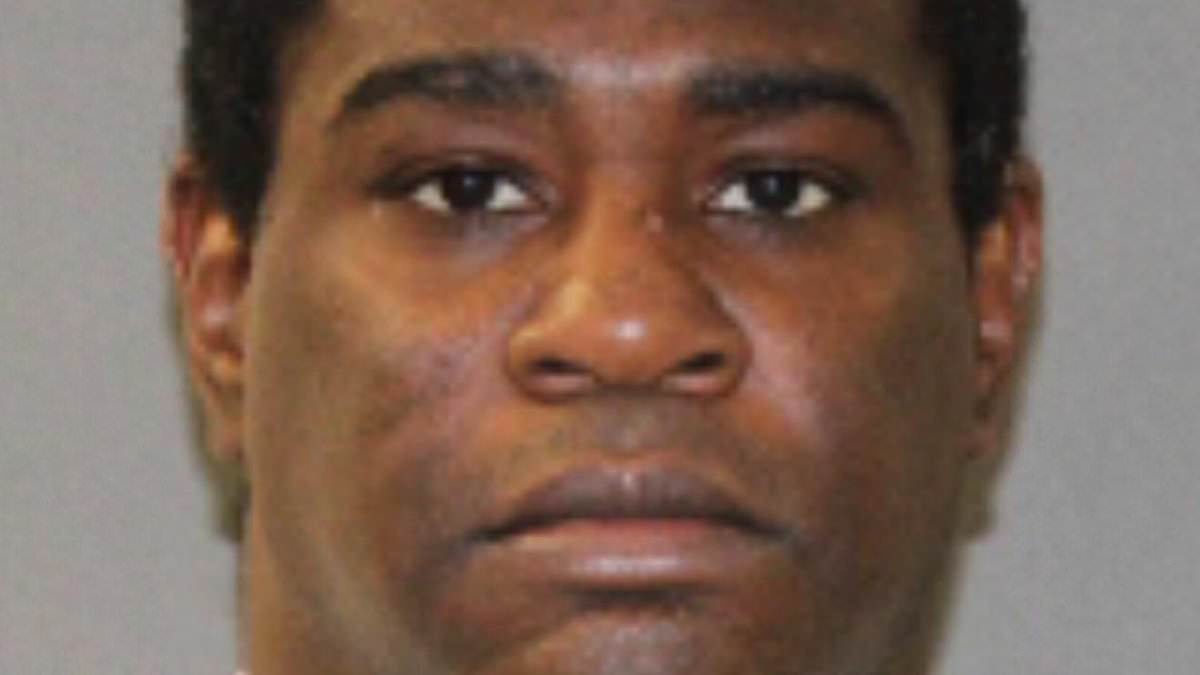
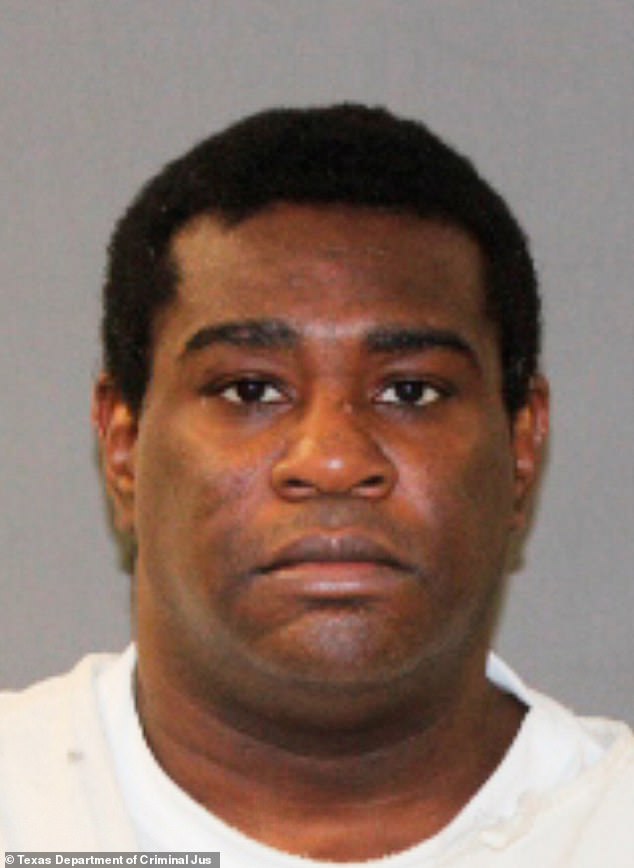
Jamaal Howard faces execution in just hours, and he stands on the brink of receiving the very same lethal injection that failed to kill Christa Pike in Tennessee last week. The inmate has made a chilling prediction: if the drugs do not work this time, they will shoot him in the head. This grim scenario comes after Howard fatally shot a convenience store clerk named Vickie Swartout in 2000. His lawyers are begging a judge to pause his death sentence by pointing to Pike's botched execution as proof of risk.
The core issue is pentobarbital, the drug used in both cases. Pike survived two doses after blown veins caused leaks and fluid loss, alongside concerns about deteriorated medication and inadequate emergency care. She remains hospitalized but awake and speaking a week later. Howard's legal team argues Texas faces similar dangers because their supply has likely gone past the beyond-use dates allowed by pharmacopeia standards. They claim the state's drugs are degraded just like Tennessee's were.
Dr. Jeff Hood, Howard's spiritual advisor, shared a telling moment from his recent visit to the Texas Observer. When he informed the inmate about Pike's failed execution, Howard seemed unable to grasp the connection. The conversation fell silent until Howard finally spoke up. "I guess if the drugs don't work, they'll just shoot me in the head," he said.
Howard, now 46, was convicted of capital murder for killing Swartout, who was 42 at the time. Surveillance video captured him shooting her once in the chest during a robbery in Silsbee, a small rural town about 100 miles northeast of Houston. At age 20, he took $114 and a carton of cigarettes from the store before dying tonight would occur. His attorneys also argue he is intellectually disabled, though the state insists he has not met the legal requirements for that claim. An appeal to the US Supreme Court is currently pending to stop his execution.
Texas has already executed six people this year. If Howard dies as scheduled, followed by two others, the total will reach 30 executions nationwide in 2026. Pike's lawyers are still hunting for details on what went wrong, hoping their findings can bring relief before it is too late. The Supreme Court ruled back in 2002 to bar executing intellectually disabled individuals, a rule that remains central to Howard's defense despite the state's objections.
States now hold some discretion over how they define disability, but the motion filed early Wednesday in Texas' Court of Criminal Appeals highlights a tightrope walk between transparency and secrecy. Howard's attorneys asked for details on the lethal dose of pentobarbital the Texas Department of Criminal Justice intended to use. They claim the department queried a state attorney general opinion regarding whether that data needed disclosure, even after years of routinely sharing such information. The opinion will not arrive until Wednesday concludes, leaving Howard unable to challenge whatever decision the state makes immediately on releasing those figures. Officials in Texas did not respond right away when asked for comment Wednesday morning.
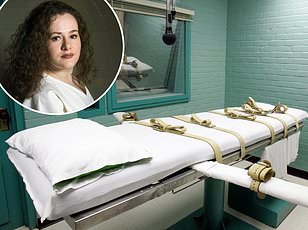
Florida has already carried out 16 executions this year, topping all other states. Most jurisdictions that still allow capital punishment rely on lethal injection as their main method. Meanwhile, Tennessee's Republican Governor Bill Lee paused the final execution scheduled for the remainder of the year.
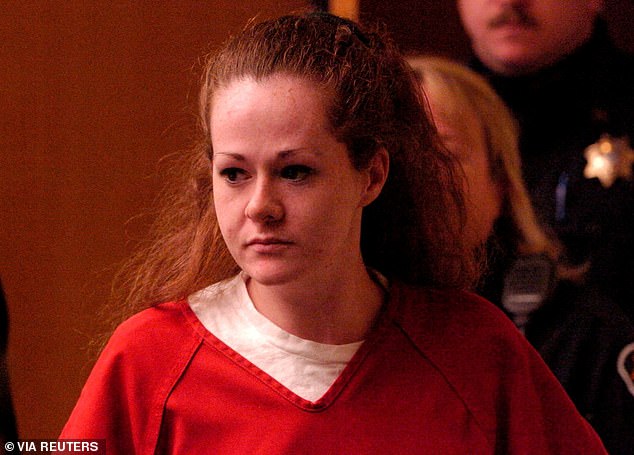
Christa Pike is awake and speaking in limited fashion a week after medical teams tried to administer two doses of lethal injections. She faces death for the 1995 beating and stabbing that killed her classmate, Colleen Slemmer. Following a court hearing designed to protect evidence from her failed execution on Wednesday, her lawyers released details about her condition while she stays hospitalized. A judge ordered that all physical evidence from Pike's botched attempt must be preserved.
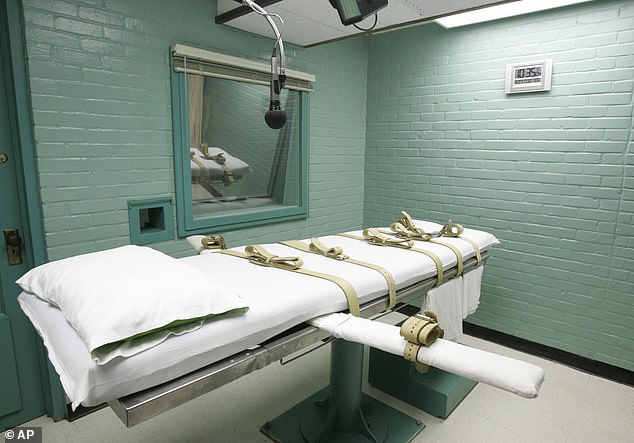
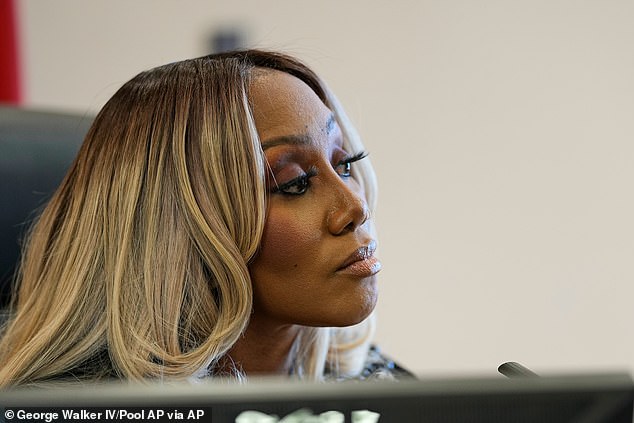
Judge I'Ashea Myles also ruled that Pike's legal team must email prison wardens at least two hours before any scheduled visit to the hospital. 'On Monday night, it was our understanding that Christa was brain dead, and life support would be removed the next day, but on Tuesday, to the shock of everyone, including me, her team, and the medical team, Christa woke up and began talking,' lawyer Randy Spivey said. He admitted he has no explanation for what happened between Monday night and Tuesday morning, only that Pike faces a long road ahead. She carries a blood clot in one arm and suffers from pneumonia. Unable to swallow, she has not eaten. 'She cannot move either of her arms. Both of her arms and hands are tremendously swollen, and we do not know what, if any, function she will regain. She is shackled at her feet and on her right arm,' Spivey added.
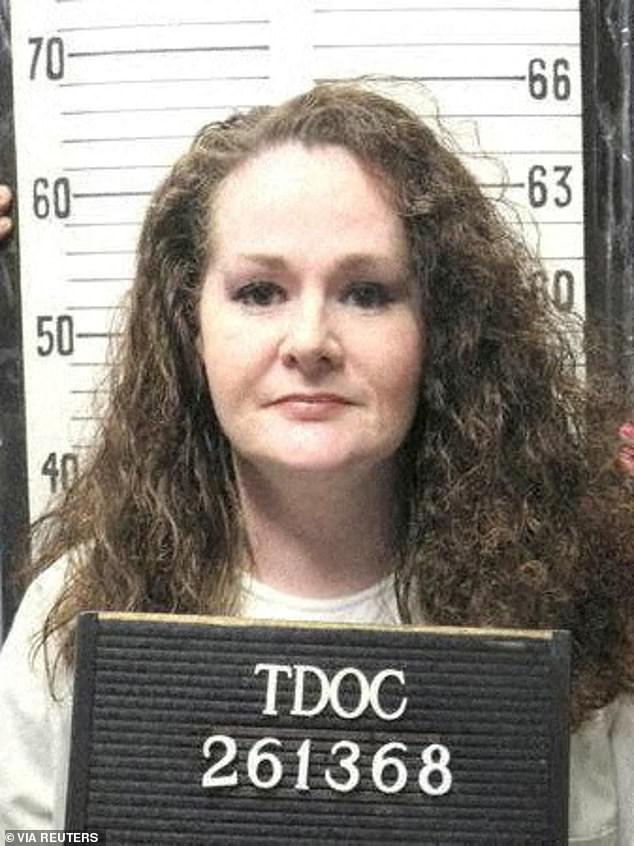
During the Wednesday hearing, lawyer Luke Ihnen requested the removal of shackles from Pike's hospital bed and access to a phone. 'Up until yesterday, our client was unconscious, unable to communicate with counsel, unable to communicate with medical providers,' Ihnen stated. Judge Myles did not grant the requests yet but asked lawyers and state officials for more information on how Pike could use a tablet at the hospital and proof that medical staff want the restraints removed. The legal battle erupted during an emergency hearing concerning Pike's request to preserve all evidence from her failed execution on September 30.
Photos