Italy's Meloni Meets Qatar's Emir as Europe Navigates Energy Crisis and Middle East Tensions

Italy's Prime Minister Giorgia Meloni has embarked on a high-stakes diplomatic mission to the Gulf, marking a pivotal moment in Europe's engagement with the Middle East amid escalating tensions between Iran, the United States, and Israel. Her visit to Qatar, where she met Emir Sheikh Tamim bin Hamad Al Thani, underscores Italy's growing strategic interest in securing energy supplies while navigating the fallout from the region's volatile conflict. This meeting comes as Iran's military actions against U.S. and Israeli targets have disrupted critical energy corridors, raising concerns about global supply chains and inflationary pressures across Europe. What does this meeting signal about Europe's approach to Middle Eastern stability?
The energy crisis at the heart of Meloni's discussions is not abstract—it is a tangible threat to Italy's economic security. As one of the EU's largest importers of oil and liquefied natural gas, Rome faces mounting costs from Iran's blockade of the Strait of Hormuz, through which 20% of global LNG and oil flows. The strait's vulnerability has already triggered price surges, with Italian households and industries bearing the brunt of higher energy costs. Meloni's remarks to the Qatari emir—emphasizing Italy's willingness to "contribute to the rehabilitation of Qatari energy infrastructure"—highlight a pragmatic shift in European foreign policy. Can Europe afford to overlook the Gulf's role in its energy future?
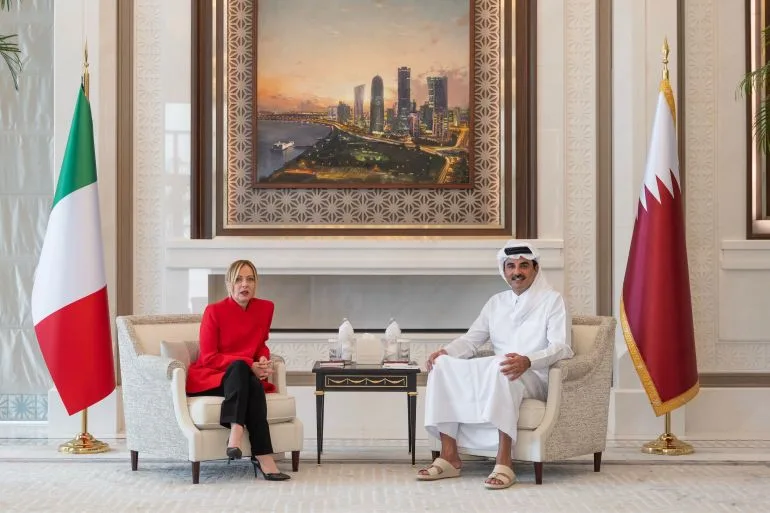
Doha's response to Meloni's overtures was equally pointed. The Qatari emir's office reiterated a shared commitment to "de-escalation" and "political dialogue," framing diplomacy as the only viable path to curbing regional instability. This stance contrasts sharply with Iran's recent rhetoric, which has cast Western nations as relics of the past. Yet Qatar's own energy infrastructure remains under threat: a missile strike on Ras Laffan Industrial City, the Gulf state's primary gas facility, has already crippled its export capacity. How will Italy's proposed investments in infrastructure repair align with broader efforts to deter further attacks?
Meloni's itinerary—spanning Saudi Arabia, Qatar, and the UAE—reveals a calculated effort to diversify Italy's energy partnerships. The Gulf states' willingness to engage with Europe, despite their historical ties to Iran, may signal an opening for collaborative ventures. However, questions linger about the feasibility of such alliances. Can Italy's relatively modest energy sector rival the ambitions of Gulf nations seeking long-term strategic partners? Moreover, how will these talks influence the broader EU's stance on sanctions against Iran, which have thus far failed to curb its military escalation?
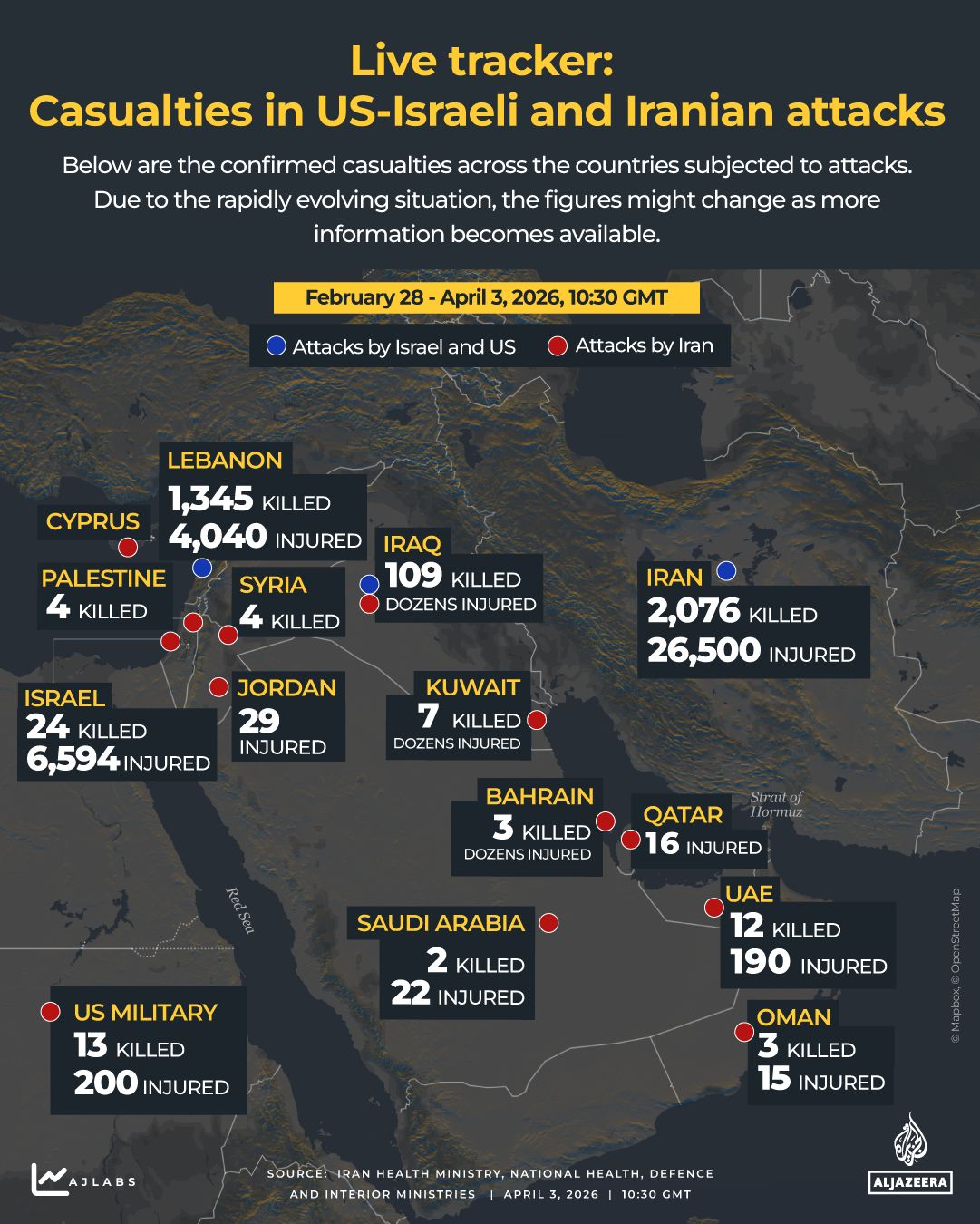
The financial stakes are immense. For Italy, securing stable energy imports is not just a policy priority—it is an economic imperative. A prolonged conflict in the Gulf could push inflation beyond manageable levels, threatening both public spending and private sector growth. Meanwhile, Qatar's economy, heavily reliant on hydrocarbon exports, faces a dual challenge: repairing damaged infrastructure while maintaining its role as a global energy hub. What safeguards exist to ensure that diplomatic gestures translate into tangible economic benefits for both parties?
As Meloni's Gulf tour concludes, the world watches to see whether this high-level engagement can bridge the chasm between European energy needs and Middle Eastern security concerns. The outcomes of these talks may shape not only Italy's foreign policy but also the trajectory of global energy markets in the coming years. Will diplomacy prove more effective than military posturing in stabilizing a region on the brink?
Photos