Israelis Vote Amid High Stakes and Tight Race for Knesset Control
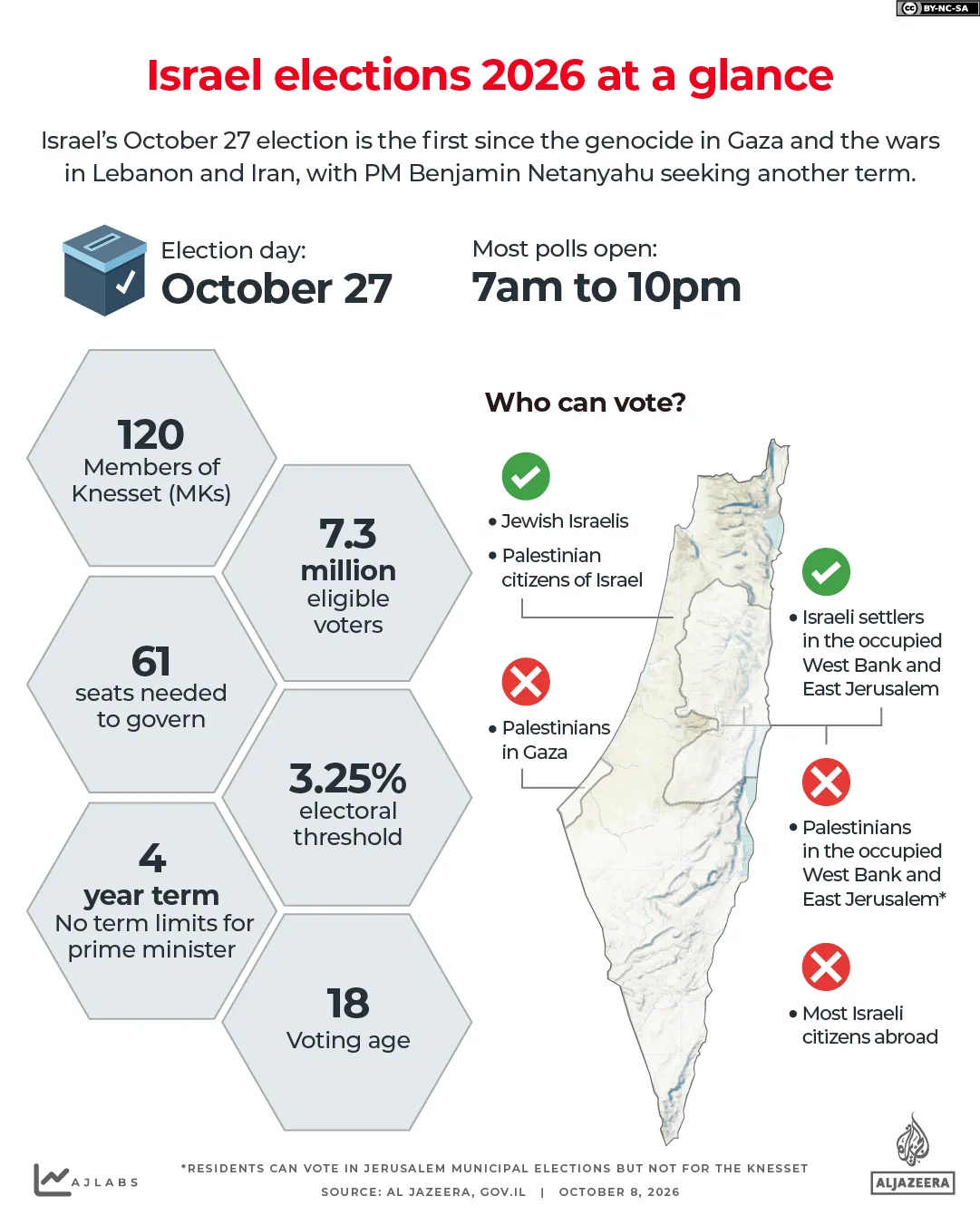
Israelis cast ballots Tuesday for a Knesset that will steer the nation for the next four years. The stakes are high. Three years have passed since the October 7, 2023 Hamas attack on southern Israel. That event triggered a war in Gaza that many describe as genocidal. Now, the occupied West Bank sees escalating violence. Tensions with neighboring states remain brittle, especially after recent attacks.
Domestic friction complicates the picture. Prime Minister Benjamin Netanyahu faces scrutiny. Critics point to alleged security failures that allowed the October 7 breach. His government’s handling of captive retrieval efforts in Gaza draws fire. Allegations of corruption persist. Disputes over ultra-Orthodox military service continue to fester.
Polls show a tight race. Netanyahu’s coalition fights for survival. Gadi Eisenkot, former military chief of staff, leads the opposition. Haaretz collated data from Channels 11, 12, and 13. As of Friday, the average prediction gives Eisenkot’s bloc 54 seats. Netanyahu’s bloc trails with 50 seats. A majority requires 61 of the 120 Knesset seats.
Voting ran from 7am to 10pm local time on Tuesday. Approximately 7.3 million Israelis qualified to vote. This figure includes 1.2 million Palestinian citizens of Israel. The system excludes diaspora voters. Israel lacks a general absentee ballot. Voters must be physically present. Diplomats and state emissaries made an exception, voting at Israeli missions on October 20.
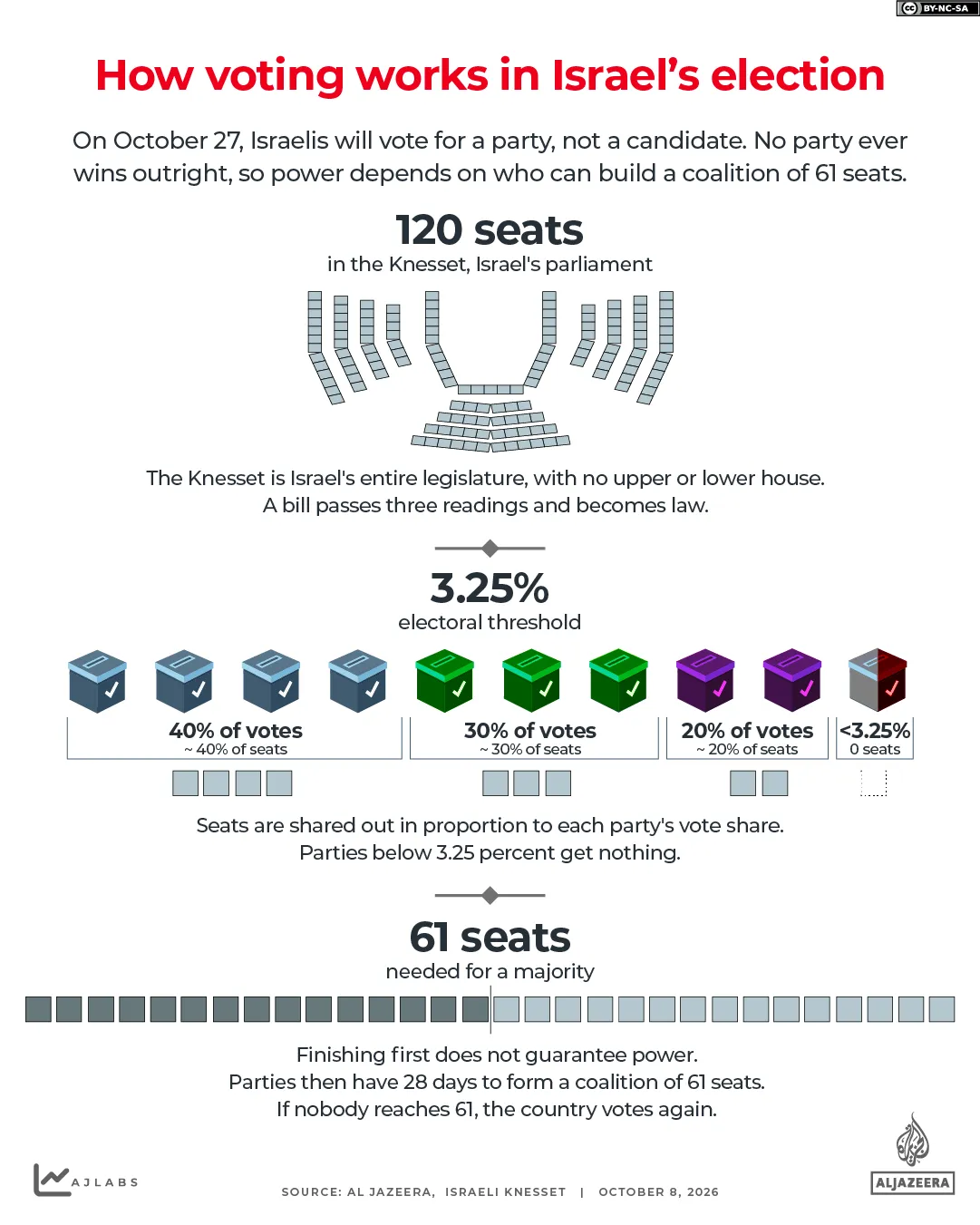
Exit polls will hit the airwaves shortly after polls close. Initial indications should appear within hours. However, a definitive winner might take days or even weeks. The Central Elections Committee website will stream results live. A clear picture may emerge quickly, but coalition building is slow. If no single grouping secures a majority, the process drags on.
The final vote tally is expected by Friday. Official results publish formally on November 4. That is one week after the election. The system relies on proportional representation. Israelis choose a party, not an individual candidate. Seat allocation mirrors the vote share. If Likud wins 50 percent of the vote, it takes 60 seats. A party needs at least 3.25 percent of the national vote to enter the Knesset. About a dozen parties stand a chance. This fragmentation ensures the count takes time.
President Isaac Herzog makes the final call. He consults with party leaders. Then he nominates the candidate he believes can form a government. That person gets 42 days to build a cabinet. The clock starts ticking immediately after nomination.
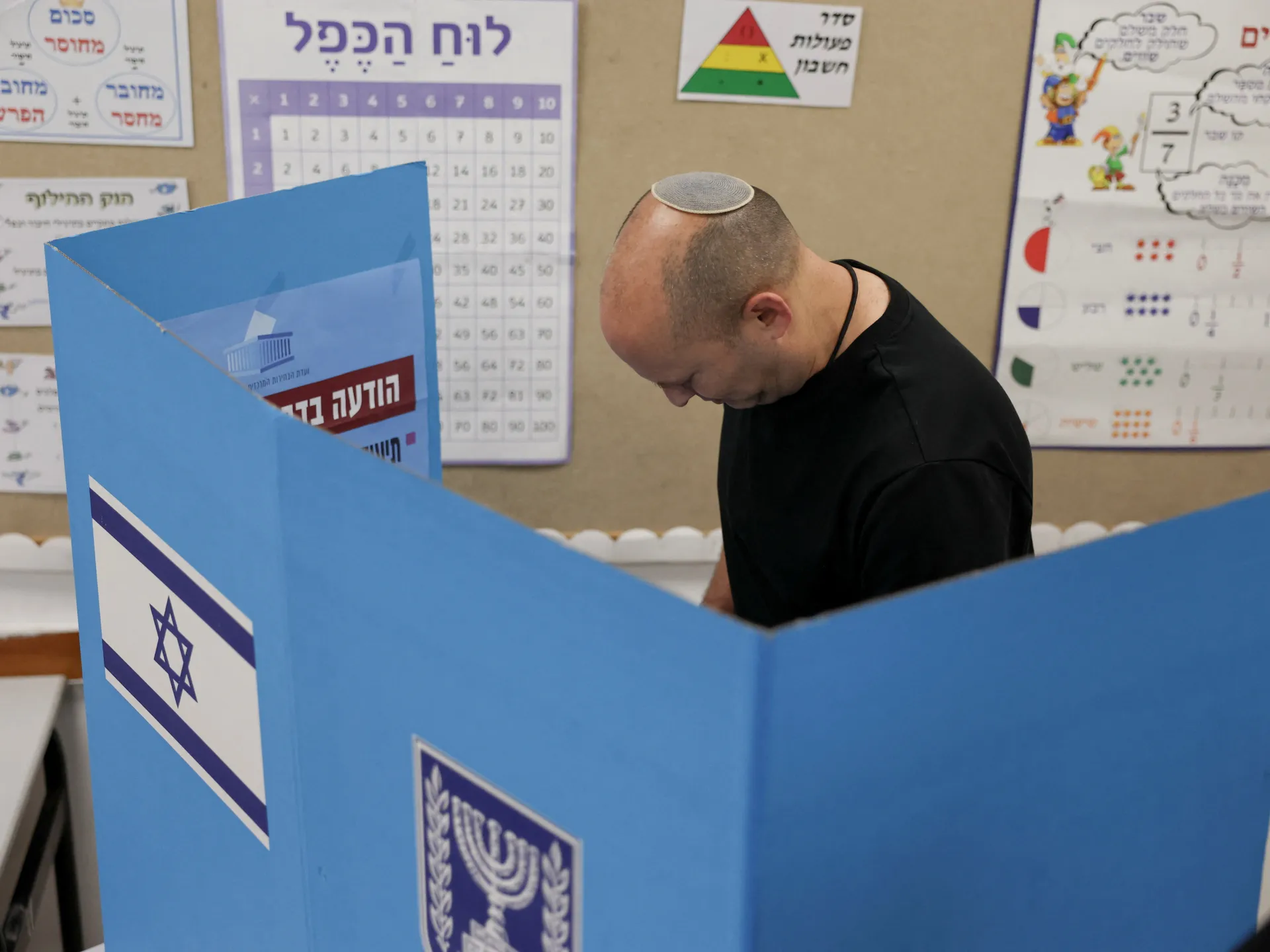
Israel’s political system rarely produces a clear winner. No single party has ever captured an outright majority in the Knesset. Because of this, leadership depends on coalitions. Building that consensus is a slow grind, often dragging on for weeks.
So, what happens when the negotiations stall? If Netanyahu or his opponents fail to assemble a cabinet, the status quo holds. The current administration remains in place, shifting into a caretaker role.
But there are other paths before reaching that dead end. The candidate who wins the most votes holds a few levers. They might try to construct a minority government, pulling support from smaller factions. Alternatively, they could strike a deal with a rival leader. Under such an arrangement, the two would alternate as prime minister, sharing power in a delicate balance.
If every avenue closes off? If no grouping can cobble together a workable administration, the cycle resets. New elections become the only option.
Photos