Irish PM Sees Trump Policies As Boost For Ireland And Whiskey
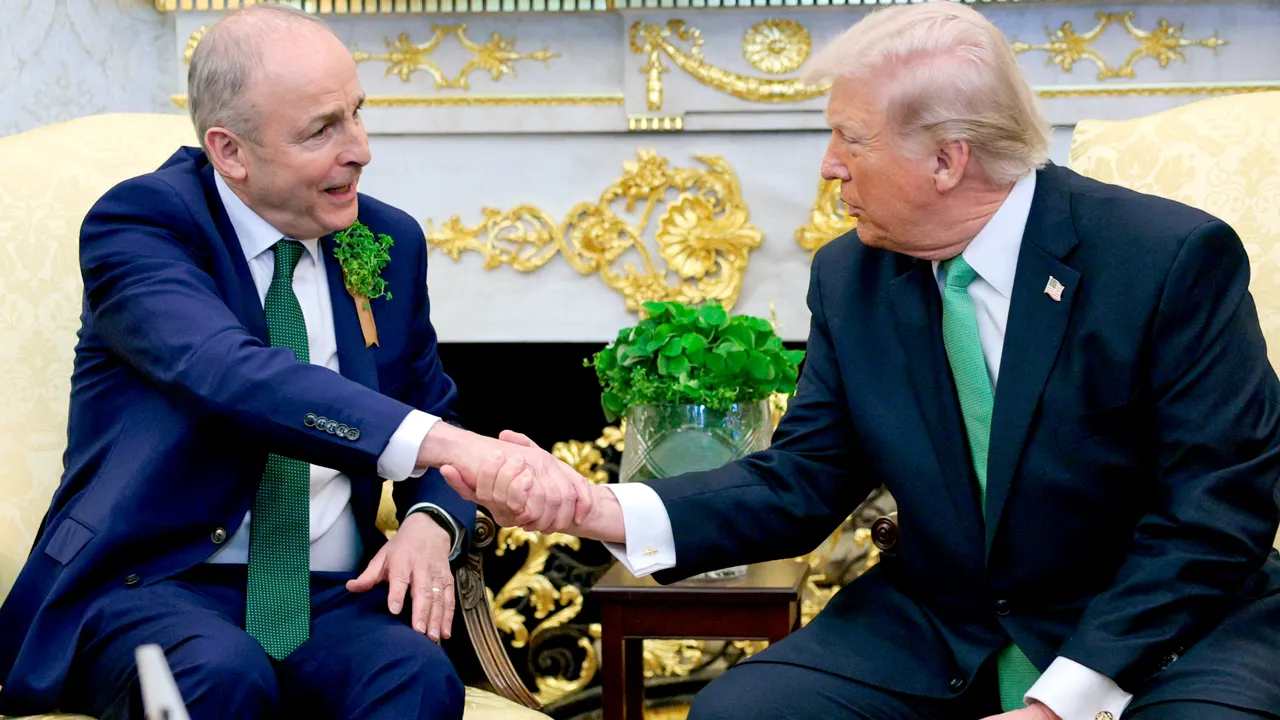
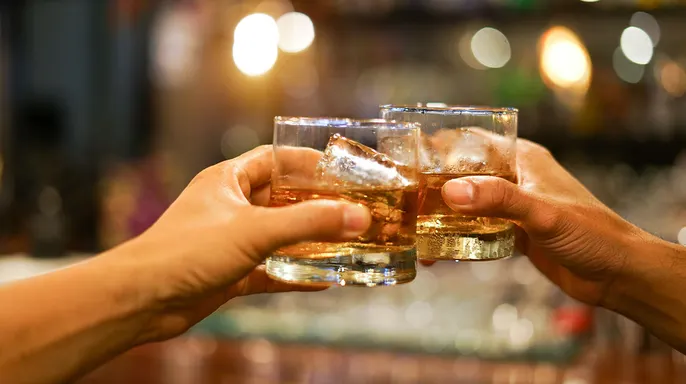
NEW YORK – While President Donald Trump urges American giants to put down roots at home, Irish Prime Minister Micheál Martin is selling Ireland as the top European stop for U.S. capital. He also has his sights set on a new win: lower tariffs on Irish whiskey after Trump promised relief on that specific export.
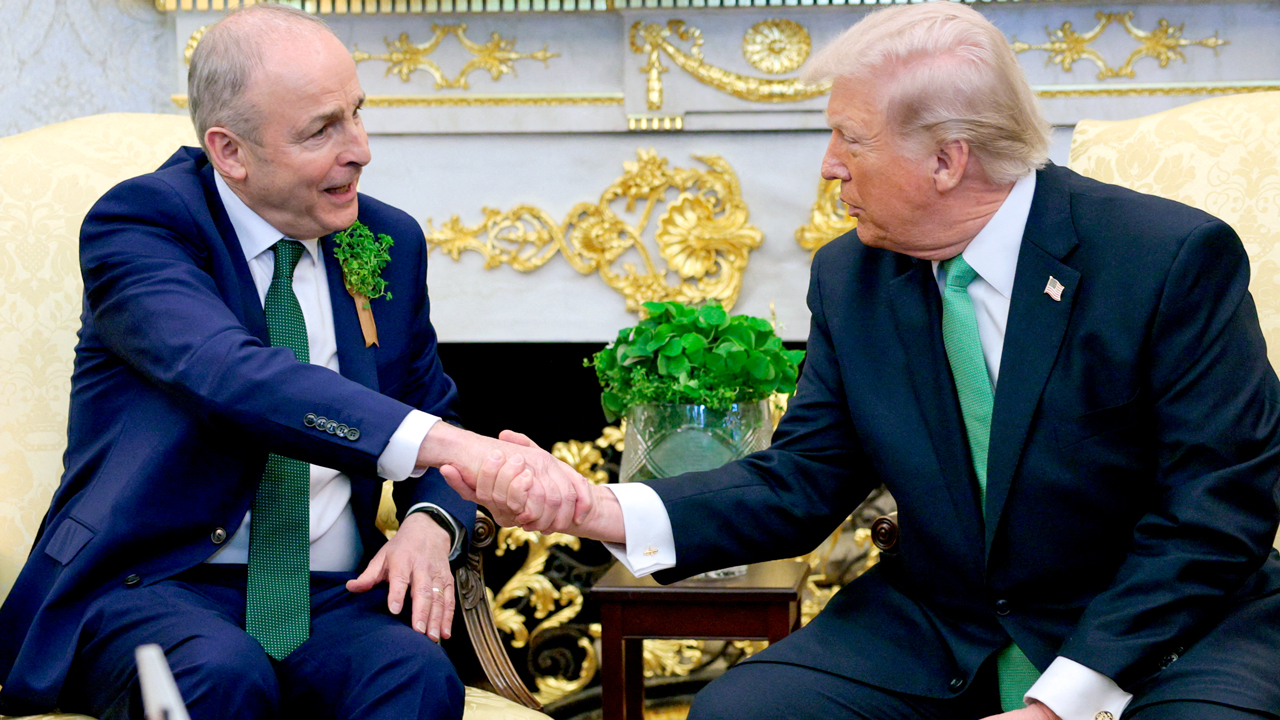
Martin, who has met with the president multiple times this year, called him a "tough" negotiator. The Irish leader recalled hearing some choice language from Trump during their latest talks. Yet, he admitted the push for domestic investment is already working.
"He's certainly had success," Martin told FOX Business. "He's having success in terms of the investments that those companies are now making in the U.S. You can see that."
Instead of seeing Trump's economic plan as a blow to Ireland, Martin says it acts as a spark for improvement.
"In a way, it makes us more competitive," he said. "We've analyzed it and said, 'OK, that's a new challenge. So how do we double down and make ourselves more competitive? And how do we maintain inward investment?'"
"Competition is a good thing, and he puts down challenges, and we respond and make ourselves fitter and more nimble and agile and that's the agenda."
Trump has made getting U.S. firms to invest locally a core part of his America First strategy, using tariffs and trade rules to push for domestic manufacturing. Ireland, which spent years luring major American multinationals, is adjusting quickly to these shifting policies.
Why should companies look at Ireland? Martin argues the appeal goes far beyond corporate tax rates. He points to strengths in pharmaceuticals, medical devices, technology, a workforce with deep education, and what he calls a pro-enterprise spirit.
"We're less bureaucratic, and the mindset in Ireland is, if a company comes into Ireland, our view is, 'How do we make it happen? If you have problems or challenges, how do we solve them?'" Martin said. "So it's a pro-enterprise government that seeks to add value to the company's proposition."
Ireland boasts a highly educated workforce and a strong tech base, ranking among Europe's highest for education participation. Agencies like IDA Ireland and Enterprise Ireland work hard to bring in overseas firms and help local businesses grow globally.
Martin pushed back on the idea that this relationship only helps Ireland. He says money flows both ways now. Irish companies employ about 200,000 people across the U.S. while expanding their reach there. According to government figures, nearly 800 Irish-owned firms employ more than 200,000 Americans. Irish investment in the United States tops $390 billion, making Ireland the fifth-largest source of foreign direct investment into the country.
"People in the health sector are telling me that the number of Irish companies coming in here with great ideas and expanding into the U.S. market and creating jobs here is growing all the time."
American firms often complain that Europe has too many rules. Martin says fixing those regulations is a key goal during Ireland's presidency of the Council of the European Union. He admitted, however, that Europe still trails behind the U.S. in competitiveness.
The conversation shifted quickly from whiskey to something far more pressing. A U.S. official admitted plainly that America still trails China in this global contest. "We're behind China as well," he said. This blunt assessment hangs over the latest diplomatic dance between Washington and Dublin.
Irish Taoiseach Simon Harris, known here as Martin in some reports, says trade has taken center stage since President Trump's recent trip. The leader described a tangible breakthrough after the American president publicly promised to drop tariffs on Irish whiskey. But what comes next? That is the real question now facing both governments.
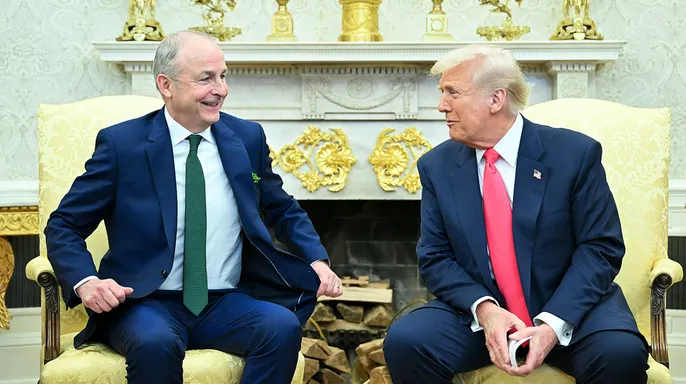
Officials from both nations are already poring over the details. They met immediately after Harris raised the issue personally during the White House visit. "Yeah, I think there's a bit of work to be done now," Martin said with a measured tone. "But they will follow through on President Trump's commitment." Teams are currently meeting across the Atlantic to iron out these specifics.
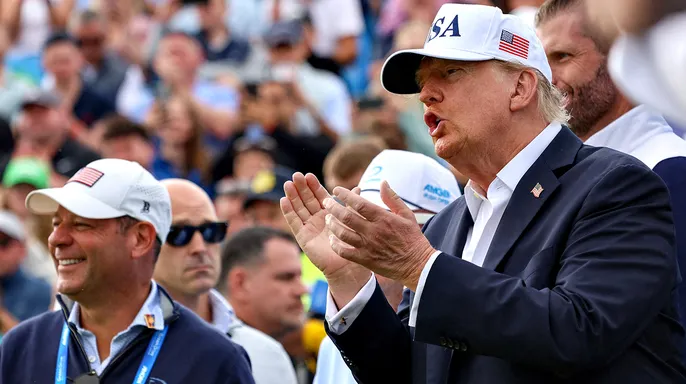
The pressure was real when Harris argued that Irish whiskey deserved the same treatment as Scotch. The U.S. president had already made moves to benefit the United Kingdom, leaving Ireland waiting in the wings. Harris seized a perfect moment during a visit to Trump's Doonbeg resort in County Clare. He brought up his recent trip to the Tullamore D.E.W. distillery and noted how local golfer Shane Lowry had won the Irish Open at that very venue.
"That really concentrated his mind," Martin recalled later. The scene unfolded before a captivated crowd as Trump presented Lowry with his trophy. Then came the announcement: tariffs on Irish whiskey would be lifted. "And I think we appreciate that," Harris said, acknowledging the gesture while knowing it was just the opening move.
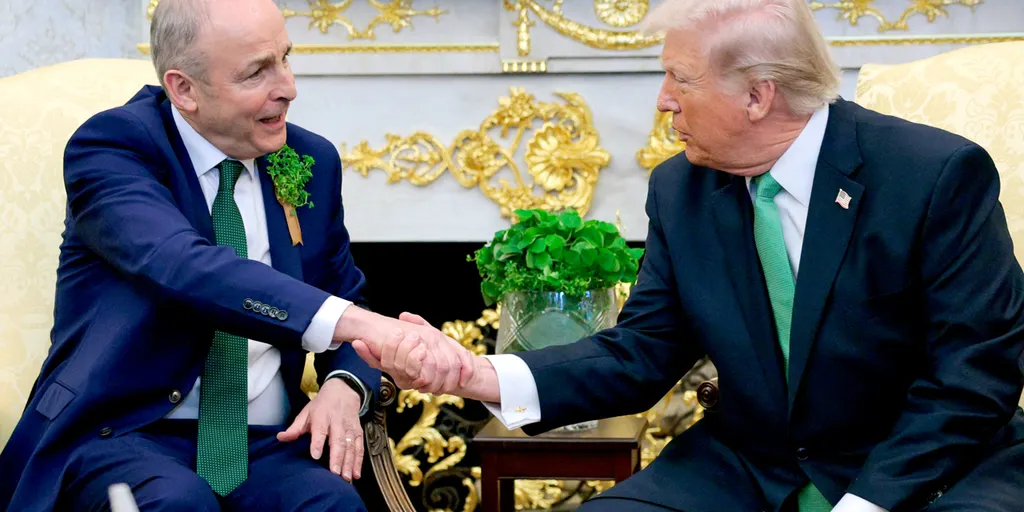
When pressed about other products hoping for similar relief, Harris pointed immediately to Kerrygold butter. Americans know this brand well, and its popularity in U.S. supermarkets is undeniable. "Kerrygold butter here is a great butter, and it's hugely appreciated by American consumers," he stated. It may very well be one of the finest butters available globally.
The numbers tell a stark story for Irish exporters. Kerrygold stands as one of the leading butter brands in America and remains one of Ireland's largest food exports. In 2025 alone, it generated more than $1 billion in U.S. retail sales according to its owner, Ornua. These figures underscore just how high the commercial stakes have become for any tariff adjustments.
Harris sees this whiskey deal as a reflection of deeper economic ties between Washington and Dublin. "There's a very strong bond between Ireland and the United States," he said, describing Trump as courteous and facilitative during their visits. He has already invited the president back next year for the Ryder Cup at Adare Manor. That event could offer another chance to strengthen these fragile but important connections.
When asked if another visit might yield further trade breakthroughs, Harris smiled knowingly. "You never know." The uncertainty remains, yet the path forward seems clearer than before. Still, the shadow of competition from China looms large over every negotiation table in both capitals.
Photos