Iraq Halts Flights Between Baghdad and Iranian Airports
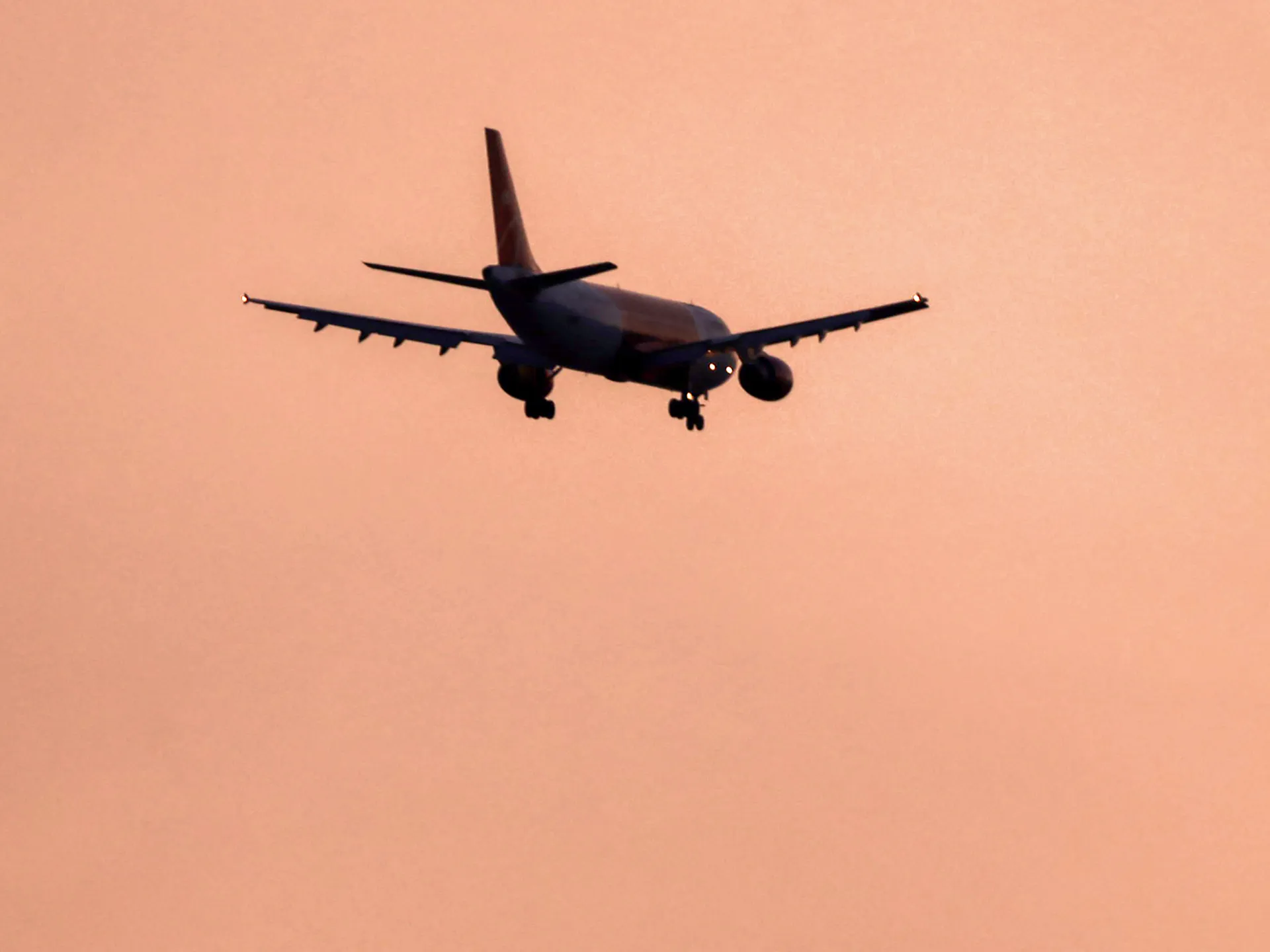
Four major airports in Iraq have stopped accepting planes from and for Iran just days after Washington tightened its grip on Tehran's aviation industry. The new restrictions hit Baghdad, Najaf, Erbil, and Sulaimaniyah hard, effectively closing these gates following US moves designed to isolate the Islamic Republic economically. This escalation follows Operation Economic Outcast launched in August to squeeze Iran out of global trade networks entirely.
Travelers now face a grueling overland trek instead of quick flights. A journey between the two nations will take at least twelve hours depending on where people are heading next. Najaf International Airport halted operations Friday morning after directives came from the prime minister's office straight to the governor. Hussein Muhanna, who runs the facility, confirmed all Iran-bound services were grounded immediately.
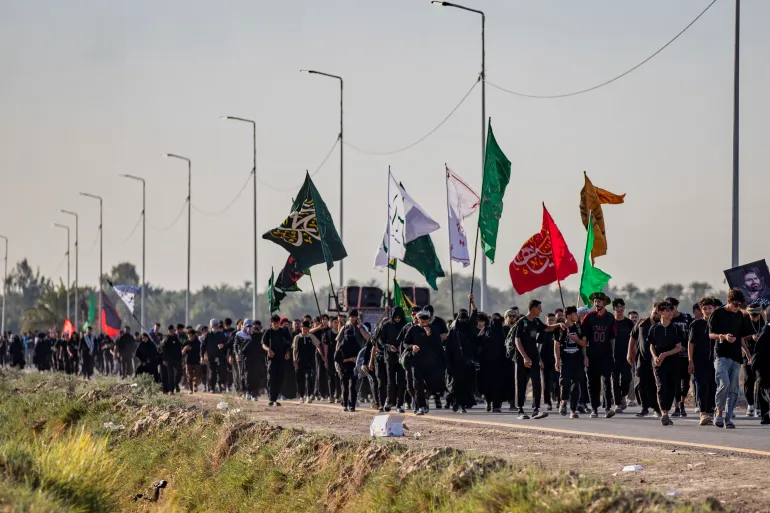
The impact cuts deep for religious communities in both Shia-majority countries. Pilgrims normally use these routes to visit holy sites in each other's lands. The Iranian Consulate in Najaf posted a fiery message on X complaining that the shrine of the first Imam and the city itself are now closed to Iraq, the home of the majority Shia population. Before the ban, carriers ran about twenty daily trips but only four flights remained scheduled for Friday after orders came down.
Other neighbors like the United Arab Emirates and Qatar joined the enforcement effort by canceling or limiting their own routes. Iran's top security official warned regional allies against joining this flight embargo, yet they moved anyway. Airlines now depend on reduced paths to Turkey, Russia, China, and Armenia to keep flying at all. Sinem Koseoglu of Al Jazeera noted from Tehran that while not totally shut down, Iran's air traffic has shrunk considerably.
Jack Hewson reporting from Baghdad explained why Baghdad followed suit without issuing a formal statement. The central government avoids antagonizing pro-Iranian groups in the local parliament for political reasons. Ground service companies like fuel suppliers and baggage handlers simply cannot risk secondary sanctions that would freeze their access to the US dollar system. Iraq sits in a very difficult position caught between Washington's pressure and its historic ties to Tehran.
Photos