Iranians Nationwide Rally to Honor Khamenei, Demand Justice After Assassination

Thousands of Iranians flooded city squares and streets across the nation on Thursday, their voices rising in unison as they chanted slogans honoring the late Supreme Leader Ali Khamenei. The rallies, held in cities from Urmia in the northwest to Gorgan in the northeast and the capital Tehran, marked the first major public commemoration since the former leader's assassination on February 28. His death, which occurred at his Tehran residence alongside several other senior officials, triggered a chain of events that reshaped the Middle East.
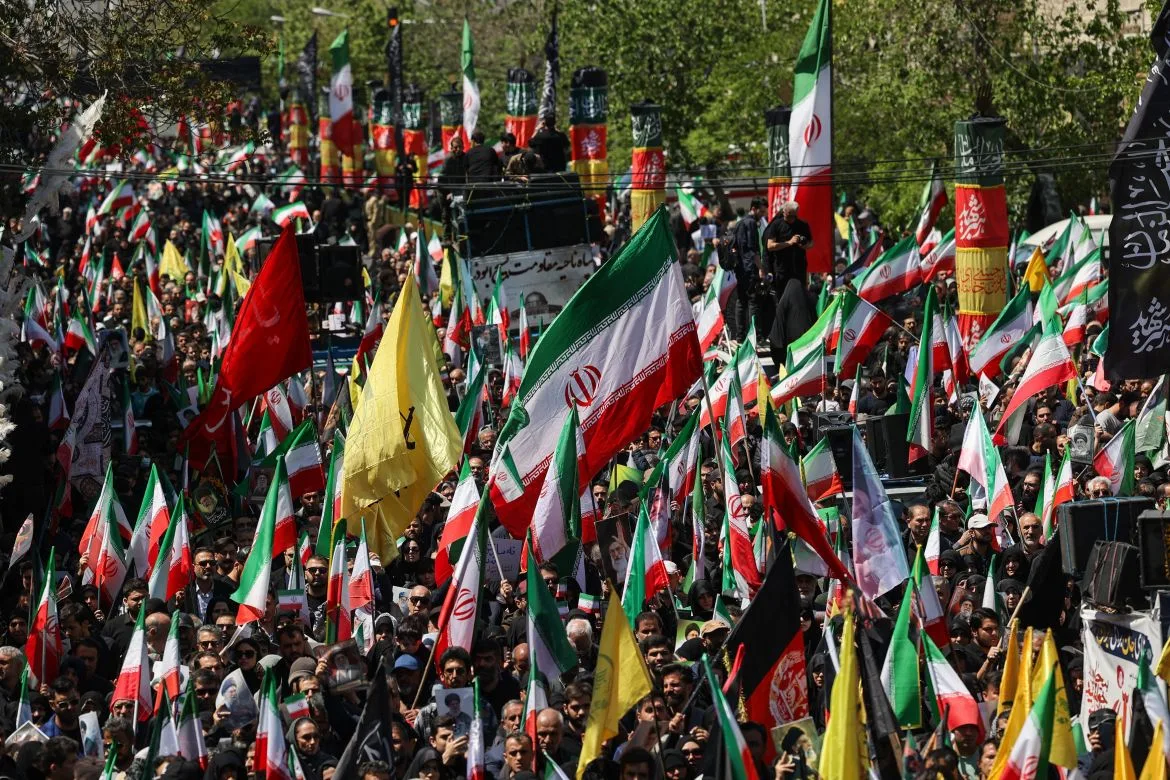
Participants carried portraits of Khamenei, some draped in black, others adorned with slogans demanding justice for the attack. In Tehran, crowds gathered near the mausoleum of Ayatollah Khomeini, the founder of the Islamic Republic, a symbolic nod to Khamenei's legacy as the nation's longest-serving supreme leader. State television broadcast footage of the rallies, showing thousands waving flags and marching in formation. The events began at 9:40 a.m. local time, the exact moment the attack occurred, a time chosen to underscore the gravity of the loss.
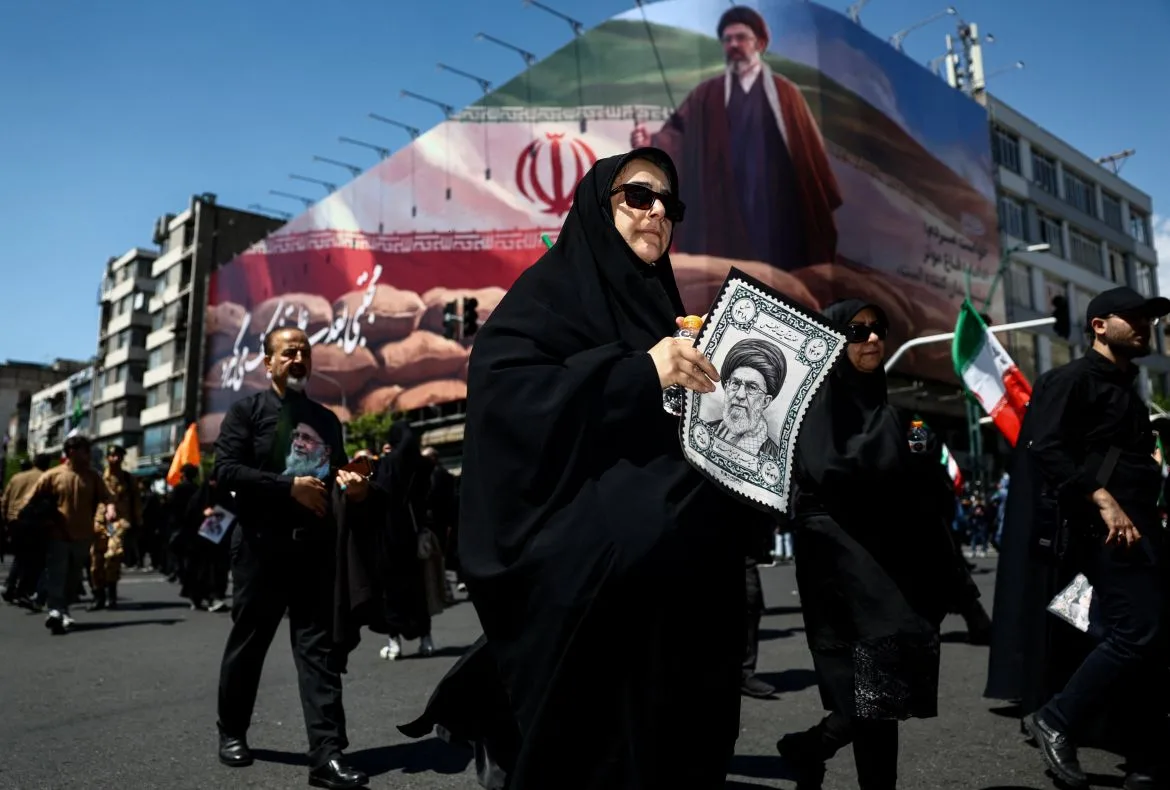
Khamenei's son and successor, Mojtaba Khamenei, remained absent from public view, a void that has deepened since the war began. His silence contrasts sharply with the fervent displays of loyalty from ordinary Iranians, many of whom see him as the embodiment of resilience against foreign aggression. The rallies also served as a reminder of the political vacuum his absence has created, with analysts noting that Mojtaba's reclusive stance has left the leadership structure in limbo.
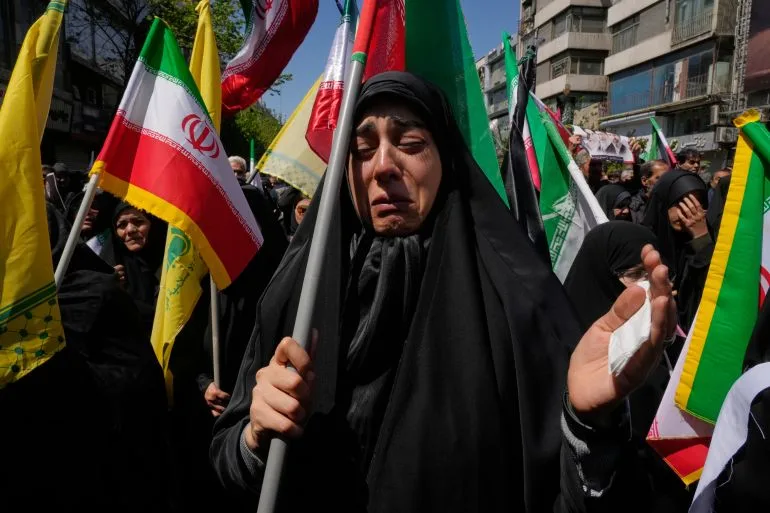
The attack on Khamenei marked the start of a regional conflict that has since escalated into a full-scale war. Iran retaliated swiftly, launching strikes against U.S. military assets in the Gulf and targeting Israeli interests across the region. The conflict has disrupted trade routes, strained diplomatic relations, and drawn in global powers, with the United States and Israel accusing Iran of escalating tensions. In Iran, the war has led to economic sanctions, shortages of essential goods, and a surge in anti-Western sentiment.
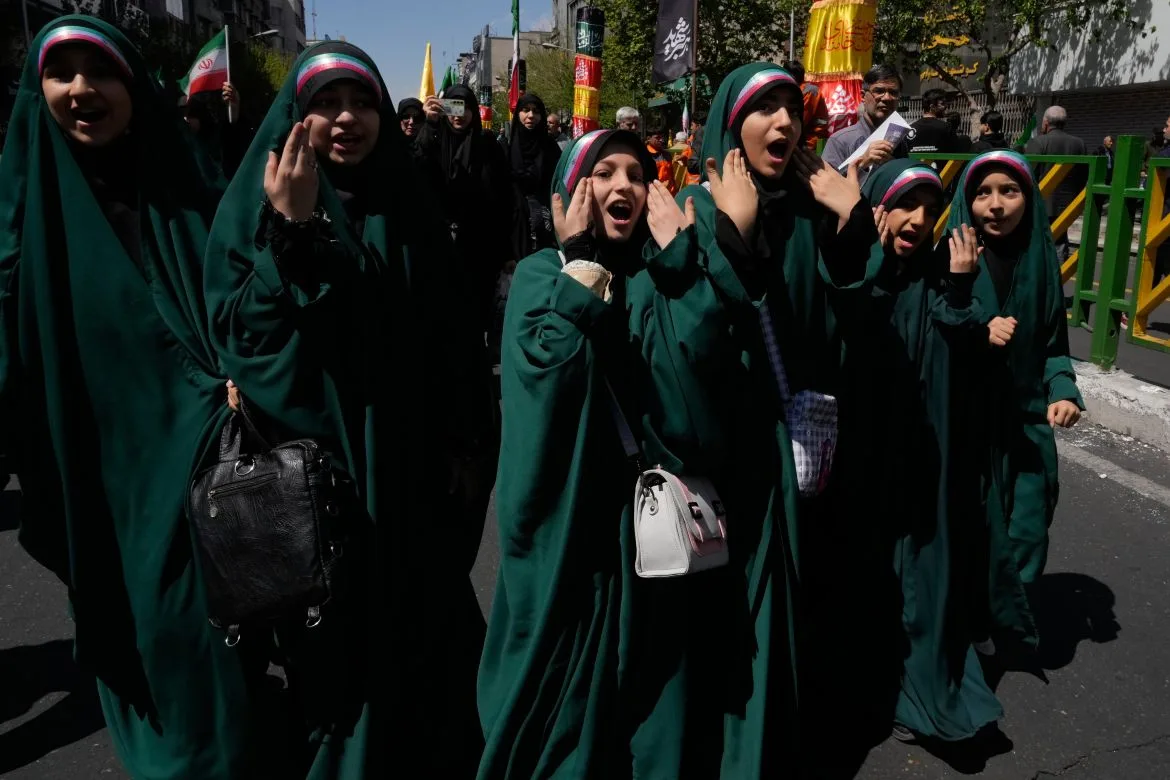
Despite the absence of a formal state funeral, the commemorations have become a powerful expression of national unity. For many Iranians, Khamenei's legacy is tied to the country's survival against external pressures. Yet, the rallies also highlight the risks of militarization, with critics warning that the conflict could deepen sectarian divides and destabilize the region further. As the war continues, the memory of Khamenei remains a rallying point—one that both unites and divides a nation at a crossroads.
Photos