Iranian Supermarkets See Theft Surge as Economy Crumbles
Reports claiming Iranians are stealing bread, cheese, meat, and other essentials are sending shockwaves through the region. These stories suggest a nation teetering on the edge as its economic situation crumbles. An investigation released Wednesday by Jahan-e Sanat painted a grim picture of supermarket workers facing customers who allegedly hid cheap goods or ate packaged food without paying. While these accounts remain anecdotal and do not prove theft is happening everywhere, analysts argue they mirror the crushing weight of inflation, currency collapse, and vanishing purchasing power.
"These are anecdotal, but they align with hard data," Miad Maleki, an associate fellow at the Foundation for Defense of Democracies, told Fox News Digital.
Maleki warned that Iran has entered a tipping zone. He noted that a real breaking point would not be a single explosive event. Instead, it looks like what is already unfolding in slow motion: currency collapse, food inflation reaching World War II levels, and now the theft of staples. This brings basic caloric and nutritional access to a breaking point for a large chunk of the population, not just the poorest families.
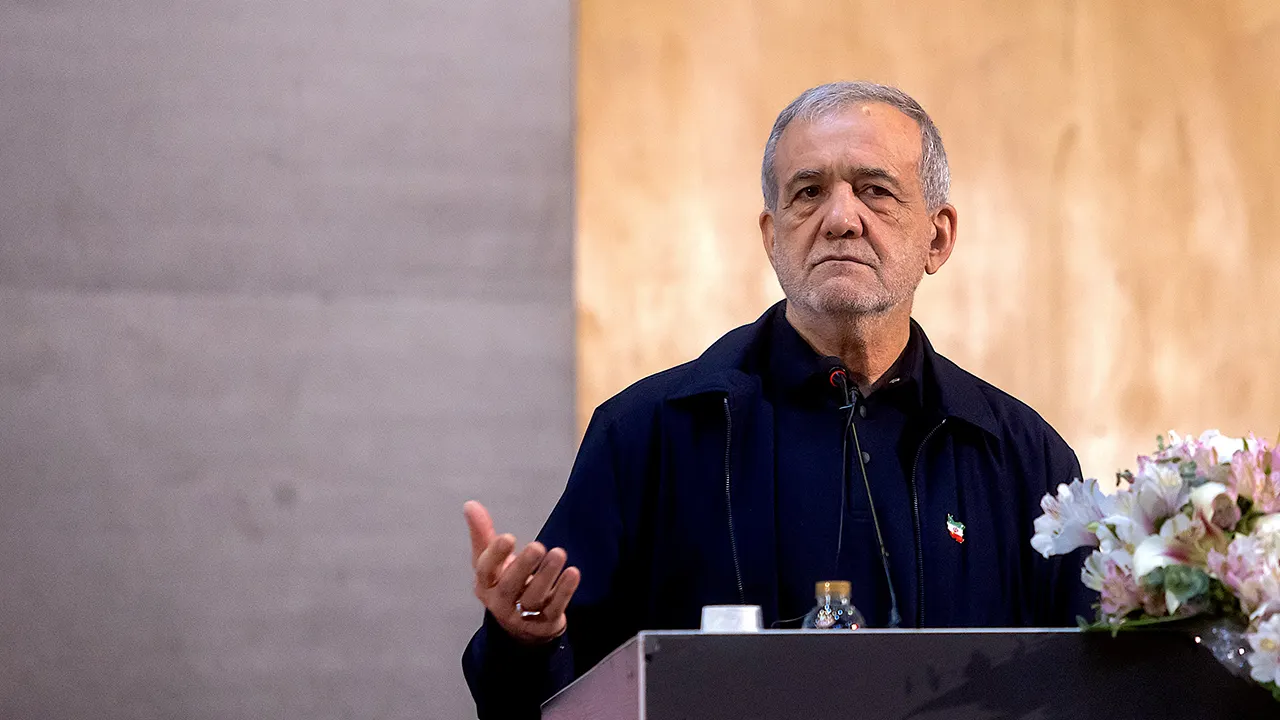
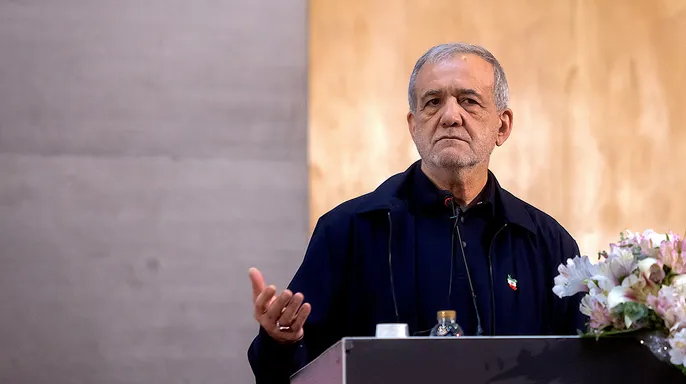
These reports emerged as Iranian President Masoud Pezeshkian admitted the country faces "difficulties and problems." Yet, during a televised address Wednesday, he insisted Iran remained powerful and respected. The enemy is exerting pressure to provoke people into protesting, according to an account of his Aug. 5 address published by Iran's state-affiliated Press TV.
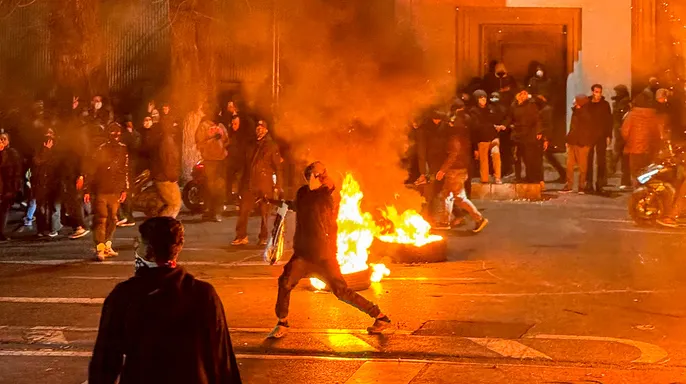
Maleki said worsening food insecurity could trigger renewed demonstrations. He pointed to Iran's November 2019 protests that followed a sharp government hike in gasoline prices. The regime's own history proves this point because its most dangerous moments have been economic, not ideological. However, Maleki cautioned that desperation does not guarantee immediate political change. Iran's Islamic Revolutionary Guard Corps and Basij paramilitary forces have repeatedly shown their willingness to suppress unrest rather than make significant economic concessions.
A supermarket employee identified only as Amirhossein told Jahan-e Sanat he had witnessed several suspected thefts over the previous 10 months. He described customers allegedly taking cheese, butter, cakes, pastries, and meat, according to Iran International's account of the newspaper investigation. "I think poverty is the main reason," the employee said. "You cannot judge everyone the same way, but when someone steals a simple item, they are probably under enormous pressure."
Maleki, a former Treasury Department sanctions official, noted that Iran's annual food inflation reached between 112.5% and 113.8% in March 2026. Prices for bread and cereals rose 140%, while dairy products and eggs increased 116.8%. Separate reports citing data from the Statistical Center of Iran showed point-to-point inflation of 113.8% for food and beverages and 112.5% for food items in March compared with the same month a year earlier. Bread and cereal prices jumped 140%, while milk, cheese, and egg prices rose 116.8%.
"While a single newspaper's petty-crime roundup isn't proof of imminent collapse, it's a credible symptom layered on top of verified macro data," Maleki said. "And when or if this conflict ends and market demand is not suppressed by a state of war, inflation will skyrocket even higher." The currency crisis has intensified the pressure on households, leaving families with no choice but to cut back or steal just to survive.
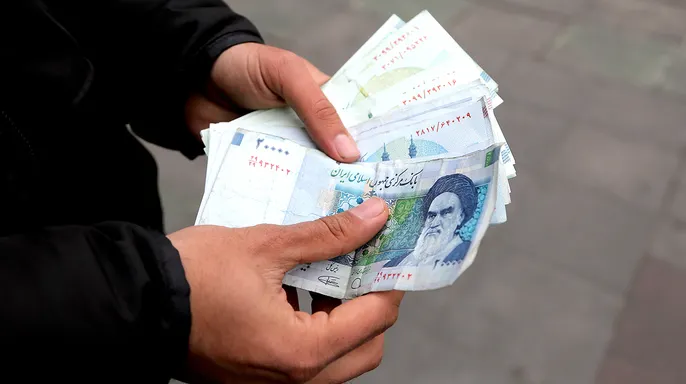
In January, the dollar hovered near 1.5 million rials. By July, it had climbed past 1.94 million on Iran's open market as regional fighting reignited. The government's reaction, according to Maleki, involved doling out monthly cash credits worth about $7 at those open-market rates after they scrapped subsidized exchange rates for specific imports. He insists that taking away those subsidies actually pushed prices up further.
The breaking point will arrive when access to basic nutrition crumbles. This isn't just a nightmare for Iran's poorest citizens; it is affecting a massive chunk of the population right now.
Supermarket accounts do not prove the Iranian government is about to fall apart, Maleki argues. They show something else though. They offer an increasingly clear sign that this economic crisis is stripping Iranians of their ability to afford basic necessities. The regime shows no signs of negotiating in good faith. Trump must break its grip before things get worse.
Photos