Iran Warns Iraq Against Forced Disarmament Amid Political Tensions
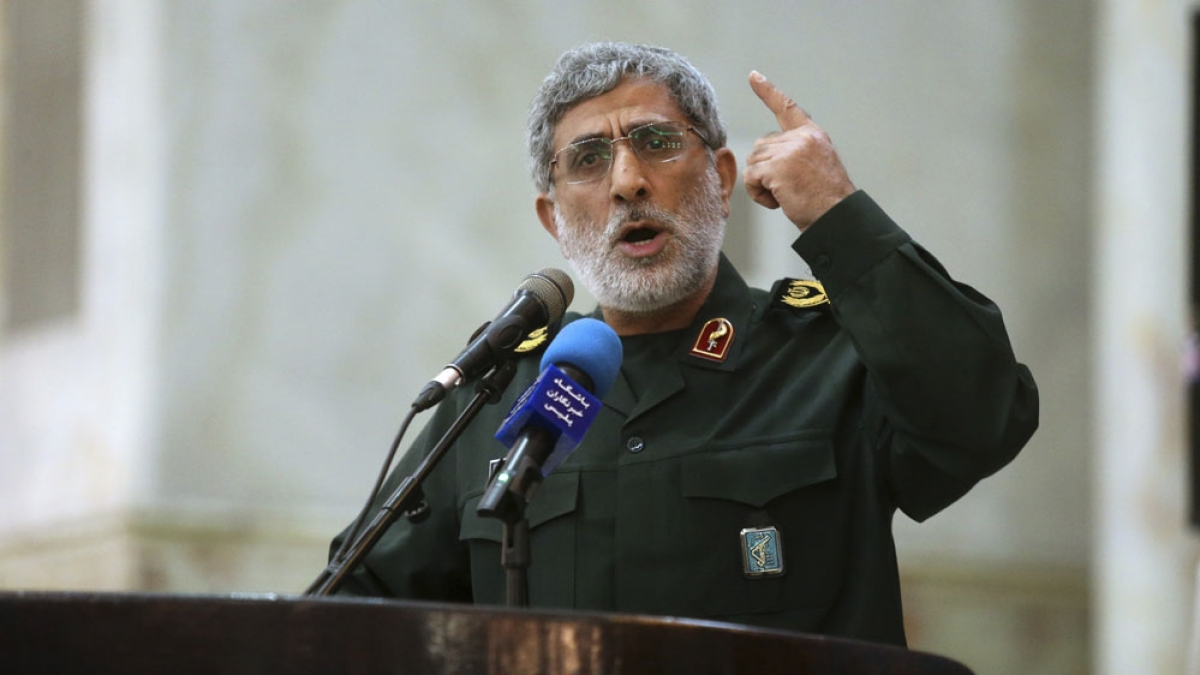
Esmail Qaani, the head of Iran's IRGC Quds Force, recently traveled to Baghdad to talk about a disarmament plan. A source inside Iraq's Coordination Framework told Al Jazeera that this visit happened without prior notice earlier this week. The meetings took place on Monday between political and security leaders in Iraq plus commanders of Shia paramilitary units. They focused on the government proposal to take weapons away from armed groups and bring them under state control.
According to the anonymous source, Tehran sent a clear message through Qaani that factions should not hand over their arms right now. Iran believes a new round of war could break out if things get worse. The Iranian message stressed finding a political compromise instead of sliding into confrontation between the government and armed groups refusing to surrender weapons. Iraqi political parties oppose using force to implement this plan.
Prime Minister Ali al-Zaidi faces a growing crisis as a September 30 deadline for restricting all weapons approaches. He told parliament his government wants to finish implementing a 2024 deal with the US-led coalition to end combat forces by late September. Discussions about arming monopolies and Baghdad's ties to Tehran happened during al-Zaidi's trip to Washington last month. This was his first foreign visit since taking office in May. He also met with President Donald Trump before heading to Tehran for talks with Iranian President Masoud Pezeshkian.
On Tuesday, al-Zaidi ordered the parliament's Security and Defence Committee to draft a law restricting weapons to the state. He warned that unregulated arms are the biggest threat because they undermine legal authority and security institutions. Some armed groups agreed to join the state forces, but powerful Shia militias like Kataib Hezbollah and Harakat al-Nujaba stand defiant. This stubbornness threatens to derail government efforts entirely.
The State Administration Coalition includes major Shia parties plus some Sunni and Kurdish political groups. They called for restricting weapons to the state in a recent meeting. The coalition considers entities acting outside official institutions as outlaws that must be fought. They hinted at using the Anti-Terrorism Law after the government deadline expires. Other Shia leaders try to ease tensions before things get worse.
Ammar al-Hakim leads the Hikma Movement as it pushes factions to limit their weapons before the deadline expires next month, according to an Al Jazeera source.
Ghazi Faisal of the Iraqi Center for Strategic Studies warns that keeping private arsenals could spark a wider regional crisis. He argues that using Iraq's soil to strike neighbors might force those countries into direct retaliation or new security pacts aimed at stopping the threat. Any alliance formed to protect the Gulf or its waterways would likely have to treat these armed groups as key players in regional stability rather than just domestic political parties.
Faisal insists the only real solution is strict control over arms and tying decisions about war to Iraq's constitutional institutions alone. A state without a monopoly on force cannot truly guarantee its own safety, he stated.
Last week Baghdad saw rising tension after armed groups threatened retaliation for recent Saudi-US strikes on Popular Mobilisation Forces sites. The US Central Command confirmed joint attacks launched with Riyadh on July 28 against terrorists aligned with Iran who directed hits at American troops and Saudi energy facilities. Saudi Arabia's Foreign Ministry blamed Iranian-backed militias in Iraq for choosing an irresponsible path of escalation through drone assaults.
Despite these threats, the Iraqi government and political groups managed to cool things down. Their joint efforts opened a door toward de-escalation and renewed diplomatic movement.
Photos