Iran Vows Strait Closure Unless US Ends Attacks and Releases Funds
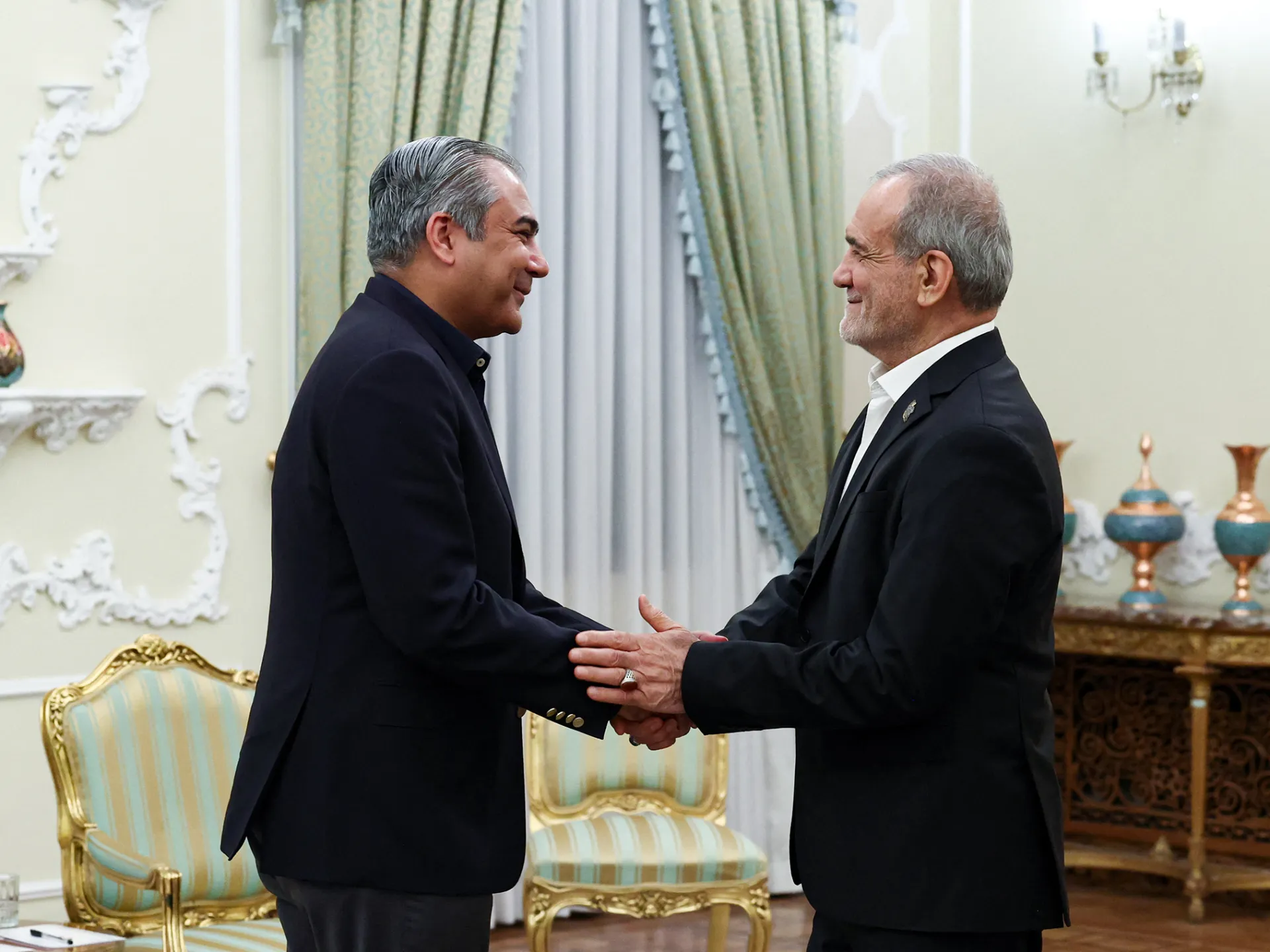
Iran stands fast regarding its demands for reopening the Strait of Hormuz while Pakistan's Interior Minister Mohsin Naqvi arrived in Tehran. The situation remains tense as both the United States and Yemen's Houthis continue launching attacks on shipping across the Gulf and Red Sea. Tuesday saw new developments just as the US-Israel war against Iran shows no sign of stopping, even though President Donald Trump keeps claiming a deal is nearly done.
Mohsen Rezaei, who recently took charge of Iran's Supreme National Security Council, sent a message to China's ambassador in Tehran. He stated that Washington must end its military campaign and free Iranian funds held overseas before the waterway opens again. As long as America refuses to accept these terms, Rezaei insists the strait will stay shut. This warning appeared in reports from Iranian media outlets.
Rezaei took to X to make his point clear about ending the naval blockade on Iranian ports. He also called for a region-wide ceasefire that covers Gaza and Lebanon. The message was stark: Iran will not reopen the channel until the war stops, assets are released, and a peace deal is signed across the area. Until every single condition is met, the strait remains closed to all traffic.
There was no immediate response from Washington officials regarding these demands. President Trump has moved back and forth between threats of escalation and promises of an imminent peace agreement throughout this conflict. In a broadcast interview late Monday night, he suggested uncertainty might linger for quite some time. He joked about potentially letting Tehran fail economically or hitting them really hard as negotiation tactics.
"I'm sort of negotiating," Trump told Real America's Voice, adding that his counterparts are very devious negotiators. Meanwhile in the capital, Iranian President Masoud Pezeshkian and Foreign Minister Abbas Araghchi met with Naqvi to discuss deeper political, economic, trade, cultural, and security ties. The Pakistani side views its role as mediation efforts to end the ongoing fighting in the region.
Earlier reports from Qatar, another key mediator, suggested talks between Iran and Oman on shipping routes had reached an advanced stage. Majed al-Ansari, a spokesman for the Qatari Foreign Ministry, noted hearing positive statements from both capitals recently. Their main priority involves reopening the strait, maintaining a ceasefire, and pushing negotiations forward without delay.
Iran clarified that any agreement with Oman regarding specific routes will have no impact on when the waterway actually reopens to global trade. Separately on Tuesday, US Central Command confirmed a Navy MH-60 helicopter fired two Hellfire missiles at a Panama-flagged cargo ship in the strait. The force disabled the steering gear after the vessel ignored repeated warnings to stop violating the blockade.
At the southern end of the Red Sea, four crew members died in what Yemen's Transport Ministry suspects was a Houthi attack on a small cargo vessel in the Bab al-Mandeb strait. These incidents highlight the dangerous conditions facing shipping lanes as geopolitical tensions continue to rise around the Persian Gulf and beyond.
Two Yemeni rescuers working for an anti-Houthi military group lost their lives on board the Egyptian-owned Tihamah, according to Yemen's coastguard. These deaths mark the first instance of casualties caused by Iran-aligned Houthi strikes against shipping since the war with Iran kicked off in late February. The Houthi-run Saba news agency claimed they attacked a Saudi vessel carrying military equipment near Bab al-Mandeb, but it did not reveal the ship's name and no immediate comment came from Saudi officials.
Since the United States and Israel launched their strikes on Iran on February 28, thousands of people have been killed. Iran has retaliated by hitting US assets and infrastructure across Oman, Jordan, Kuwait, Israel, the United Arab Emirates, and Saudi Arabia. Inside Iran itself, at least 3,527 people have died while more than 27,000 suffered injuries. At least 18 Americans also lost their lives in this widening conflict.
The fighting has spread to Lebanon where Iran-backed Hezbollah has launched attacks on Israel and Israeli forces have responded with near-daily strikes. Lebanon's Health Ministry reports that the latest military escalation there, which began on March 2, has killed more than 4,300 people and injured over 12,000. In Israel, at least 60 people have been killed in attacks carried out by Iran and Hezbollah.
Photos