Iran Shooting Down Drones to Steal U.S. Defense Data
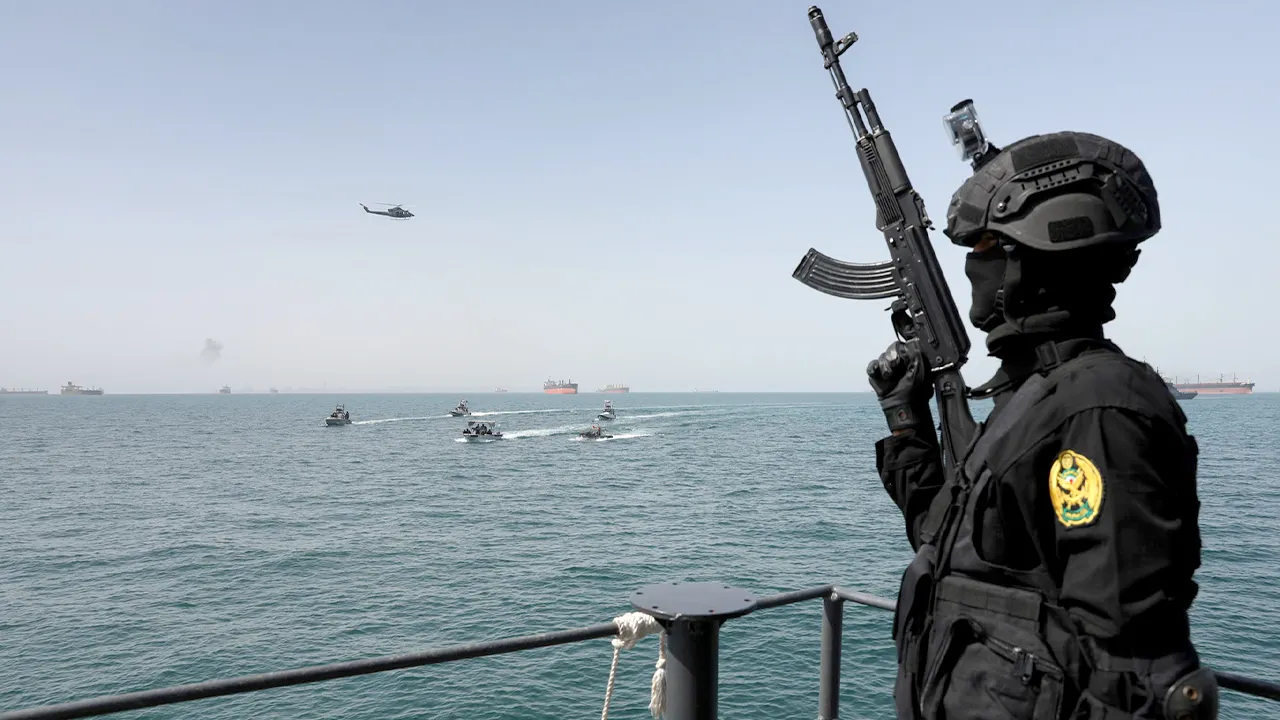
Drone experts issued a stark warning on Tuesday, stating that Iran is intentionally shooting down American surveillance aircraft inside the Strait of Hormuz to steal critical data. Tehran aims to understand U.S. defensive systems and learn exactly how to bypass them, according to these analysts. Their strategy involves coordinated attacks designed to expose weaknesses in Navy theater operations without necessarily stealing top-secret codes or documents.
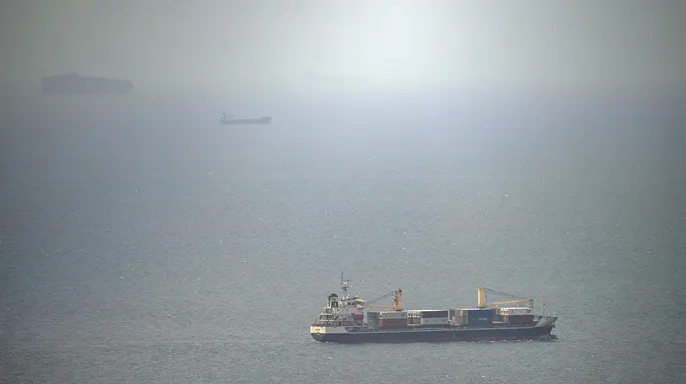
Tensions in the Gulf spiked on Sept. 14 following a violent clash between American forces and Iranian vessels. Reports indicate the U.S. military destroyed two small boats after members of the Islamic Revolutionary Guard Corps (IRGC) tried to seize an unmanned surface vessel patrolling the area. Iranian state media initially claimed their fishing crews were missing near Kargan and Larak Island while U.S. officials described a rescue effort.
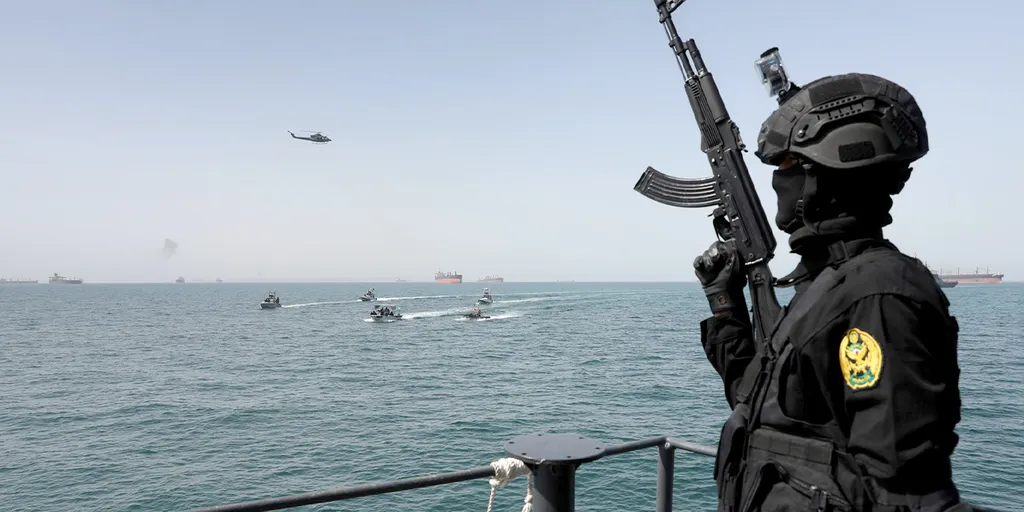
Capt. Tim Hawkins, a spokesperson for U.S. Central Command, confirmed the incident on Tuesday by stating that American forces responded forcefully to stop the attempted seizure. He noted that the surface drone remains under full operational control despite the chaos. The confrontation highlights how fragile security looks right now in this vital global shipping lane where commercial traffic has already dropped below historic levels since February.
Cameron Chell, CEO of the U.S. drone manufacturer Draganfly, told Fox News Digital that these capture missions are absolutely deliberate and very coordinated efforts by Iran. He argued that even a brief examination of a captured drone gives Tehran an immediate tactical advantage by revealing how American surveillance works in the real world. Getting specific classified data might be difficult but learning about the theater of operations offers enough intelligence to alter battle plans instantly.
Chell explained that analyzing seized hardware allows Iranian forces to evaluate sensitive onboard sensors and understand exactly what equipment is currently active out there. This knowledge helps them design offensive capabilities that can counter or evade sensing equipment used by U.S. ships. The ability to measure the intelligence being gathered could lead Iran to use that same design in their own future equipment against American interests.
Access to captured hardware over the last six months would let Iranian forces build a complete picture of how the Navy's intelligence infrastructure actually functions day to day. Even if they only get a quick glimpse before having to abort a mission, those few moments provide deep insight into sensor types and operational procedures. Such small tidbits of intel start painting a clear picture of what the U.S. might be doing in this contested zone.
Chell emphasized that he would not be surprised if this represents an ongoing effort by Tehran to upgrade their own drone defenses through direct observation of American technology. The latest escalation follows a series of events starting Sept. 14 that have pushed both sides toward the brink in one of the world's most dangerous maritime choke points.
A Dive-LD autonomous underwater drone made by defense contractor Anduril was seized after an incident involving Iran's forces. The loss happened despite the company's own expectations for such failures. Palmer Luckey, CEO of Anduril, stated that the device was built to operate in environments too dangerous for humans where capture is an expected possibility.
"I can't get into the details, but it provided significant value for months before capture," Luckey added regarding the specific unit lost to Tehran.
The situation highlights a broader issue as Iran's drone swarms challenge U.S. air defenses while troops in the Middle East face rising threats. An unboxing ceremony by reverse engineers is scheduled for tomorrow morning according to a post on X from Iran's embassy in Hyderabad.
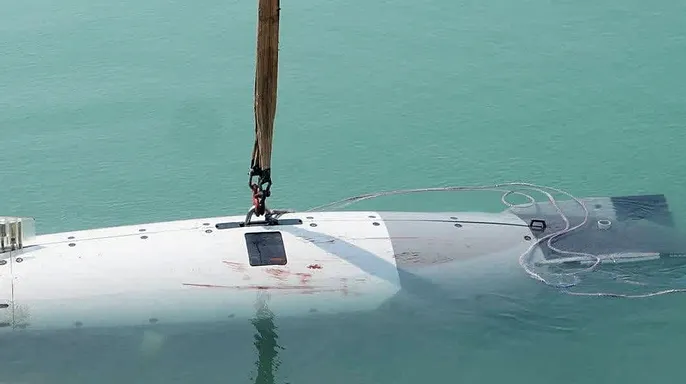
U.S. Navy representatives offered a different take on the recovered hardware. They said the captured underwater drone was an older model that had malfunctioned and gone dead in the water before it fell into enemy hands. Mark Chell, a security expert noted that being alert to these high-value targets dictates where and how they use and protect them.
"I don't doubt that the captured underwater drone had sensitive information on it, but that's not the point," Chell said. "Again, the point is, they want to see the type of equipment and information being gathered, or view logs to see where it has been. This all just puts the U.S. on higher alert."
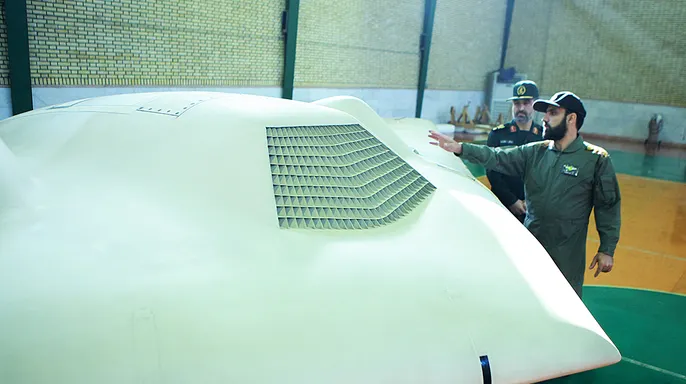
Tehran has previously leveraged captured U.S. assets including an RQ-170 Sentinel stealth drone seized in 2011 to bolster domestic technology and regional propaganda. Then-President Barack Obama publicly asked Tehran to return the aircraft back then. Iran later claimed it reverse-engineered the platform to build domestic lookalikes.
In 2022, a U.S. Navy patrol ship and an MH-60S Seahawk helicopter intercepted an Iranian naval vessel attempting to tow a Saildrone surface vessel in the Gulf. Intelligence warns that Russia is also preparing hybrid attacks on NATO's eastern flank as tensions rise across the board.
"Iran actually has a history of attempting this in the past, and at times has been successful," Chell said noting Washington takes the threat very very seriously. "In other instances where they've gotten sail ship drones, for example, and tried to bring them into Iranian territory, " Chell pointed back to the RQ-170 seizure. "A number of Iranian drones look suspiciously like the RQ line."

Still when the U.S. knows a drone has been captured they adjust their tactics and operational overview accordingly. Chell whose firm has been awarded a five-year contract by the Government of Canada to provide low-cost tactical intelligence surveillance and reconnaissance uncrewed aircraft systems to the Canadian Armed Forces concluded his assessment.
"There is no question that autonomy and unmanned systems are the new standard in warfare," Chell said.
Photos