Iran's Ayatollah Vanished After Explosion, Now Hiding From Public View
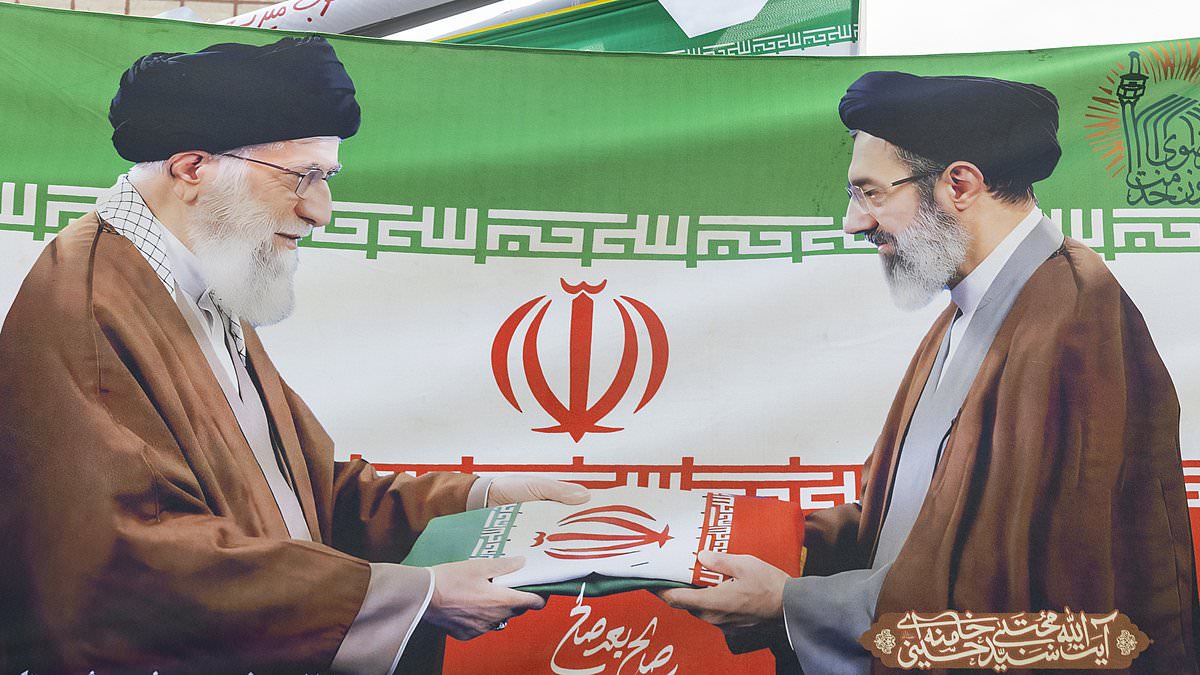
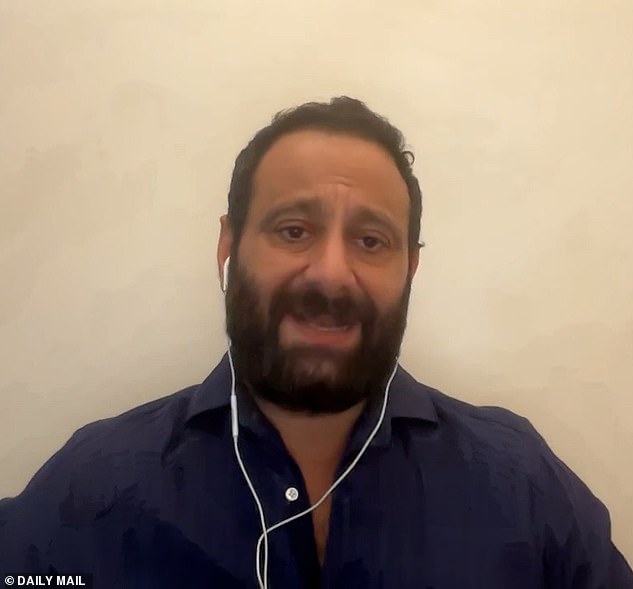
The Daily Mail Deep Dive podcast just dropped new details on a mystery that has Iran shrouded in silence. Host Chris Pleasance spoke with special correspondent David Patrikarakos to dissect the case of Mojtaba Khamenei, the Ayatollah who vanished from public view five and a half months ago. State television announced his leadership during that window, yet nobody has seen him since.
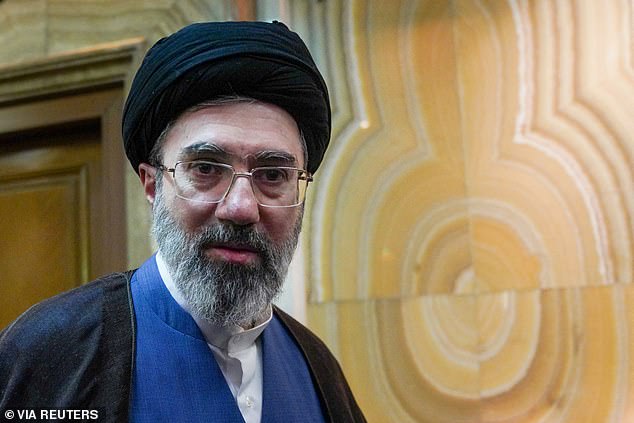
Reports coming out of Tehran paint a grim picture. Sources close to his inner circle told Reuters that an explosion inside the compound left Mojtaba disfigured and shattered one or both of his legs. He was present when the blast struck. Rumors swirled before he even appeared at his father's funeral on July 5, where three brothers were filmed praying beside the coffin while their leader stayed hidden.
Patrikarakos tapped into Western intelligence sources to outline the three main theories about what actually happened. The first claim is that Mojtaba survives and directs the war from a secret bunker. Iranian officials push this line hard. President Masoud Pezeshkian recently stated that Mojtaba was recovering. This theory assumes he survived the bombing largely intact. Patrikarakos calls it nonsense. It simply does not add up.
The second option suggests Mojtaba fled to Russia. Moscow has a long, dark history of sheltering foreign enemies. Bashar al-Assad currently sits in the Russian capital, supposedly playing video games for hours while dodging global pressure. Patrikarakos rejects this idea too. He argues Iranians do not run away like that. The consensus was clear: if Khamenei had to go down, he would die on Iranian soil. This theory falls apart under scrutiny.
The third and most likely scenario is that Mojtaba is barely alive or completely incapacitated. His public statements are actually being drafted by someone else. That person points directly to Ahmad Vahidi, the commander-in-chief of the Revolutionary Guard Corps. If Mojtaba were dead, the regime would probably just say he was dead. Instead, they walk a tightrope with fabricated updates.
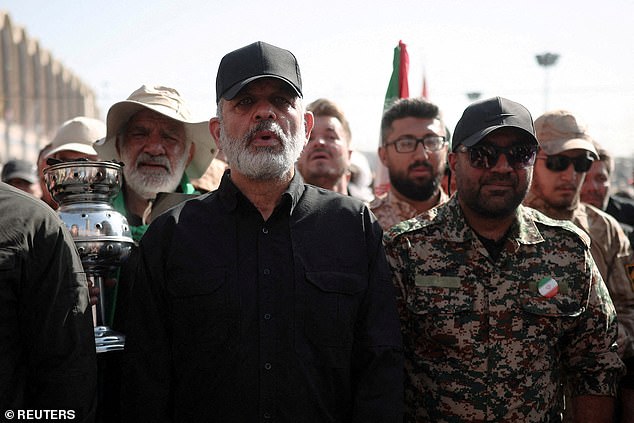
The Islamic Revolutionary Guard Corps rose after the 1979 revolution as an elite force loyal only to the regime, separate from the regular army. It controls vast parts of the economy and even shut down the Strait of Hormuz to attack tankers and demand fees from ships trying to pass through that vital oil route. Patrikarakos believes Vahidi is now the real power in Tehran. He describes the IRGC leader as a hardliner deeply embedded in the military and political fabric of the nation.
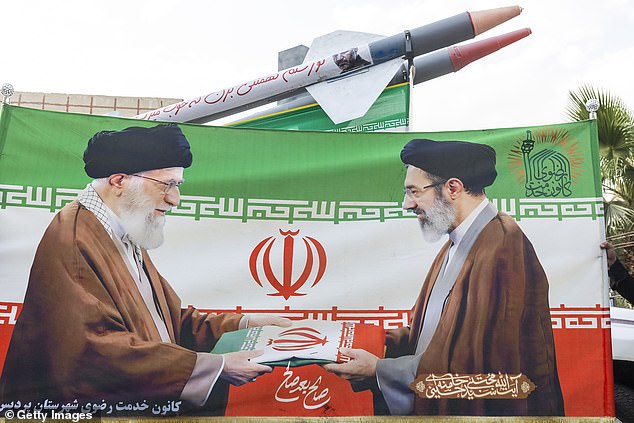
Vahidi operates well underground. His influence over the Iranians is immense. Reports say he played a leading role in the 1994 attack on a Jewish community centre in Buenos Aires, where eighty-five people lost their lives. He remains one of five Iranians sought for that bombing. This is a man who has done nasty things around the world. The facts point to him holding the keys while the invisible Ayatollah sits out of sight.
He is a massive hardliner." That was the opening line, and it set the tone immediately. If you want to hear the entire discussion on this topic, just search for Deep Dive on any podcast platform you use. The segment breaks down recent developments with a focus on what matters most right now.
Photos