Iran Plans Strikes on US Bases in Europe Amid Escalation
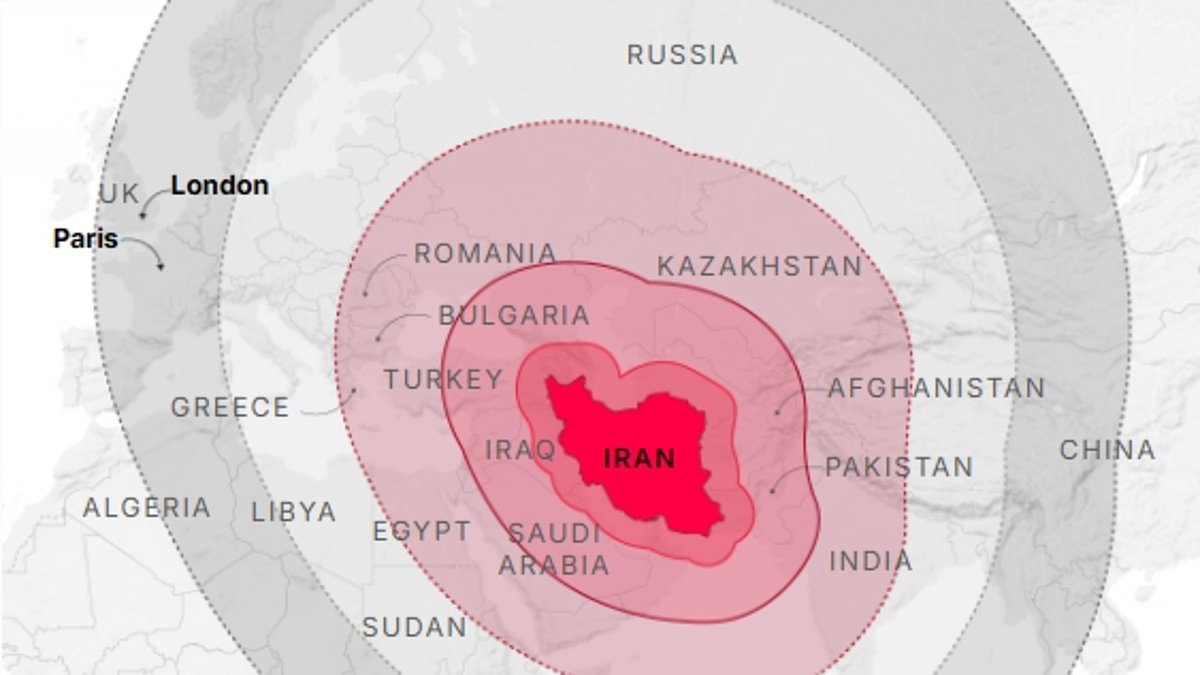
A fresh report suggests Iran is quietly calculating strikes against American military installations across Europe should President Donald Trump push the conflict further. Two sources inside the Islamic Republic spoke with the Financial Times to confirm that Tehran has already looked at hitting US assets in southeastern nations like Bulgaria. That country recently allowed its Bezmer air base to be used for American refueling aircraft, making it a prime spot for retaliation if tensions spike. Cyprus also sits on the list of potential targets after British forces there suffered a drone attack back in March.
Beyond land-based hits, the regime is eyeing underwater fiber-optic cables running through the Strait of Hormuz as another weapon to deploy during an escalation. These threats paint a picture of deep frustration in Tehran, where hardline mullahs now treat the return of full-scale war as something that cannot be stopped. Talks aimed at reopening this vital shipping lane have completely stalled. Meanwhile, Supreme Leader Ayatollah Mojtaba Khamenei spent last week reshuffling power by placing seasoned military and security hawks into some of Iran's most influential roles.
President Trump stated on Tuesday that no discussions or planned meetings with Tehran are currently happening. The Islamic Revolutionary Guard Corps and other top commanders have issued stark warnings: a new major conflict would see Iran move well past its usual playbook of targeting Middle Eastern energy sites and military outposts. They are preparing to strike targets much further away. This shift marks a dangerous change in strategy, one that could drag global security into direct peril if diplomatic channels remain shut down.
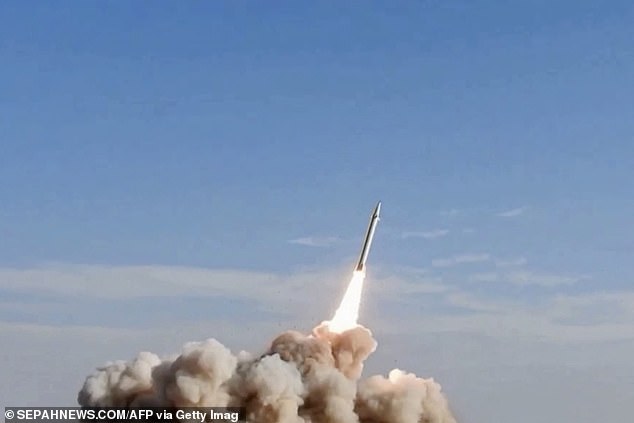
Last month, the IRGC issued a stark warning to London. They told the UK government not to let America use British soil for military operations against Iran. The message was clear: 'any base that is used to launch an attack on Iranian territory will be considered a legitimate target'. Sidharth Kaushal, a research fellow at the Royal United Services Institute in London, offered a sobering perspective on this threat. He stated the danger of Iranian missiles hitting Europe and other places is real, but limited.
Tehran could bring medium-range ballistic missiles against US assets in southern and southeastern Europe using its Shahab series. Kaushal told the FT these weapons would struggle to cause serious damage over long distances. The insiders noted that Iran's retaliation would hinge on Washington's military decisions. One source revealed the regime was preparing a plan to expand the war further were Trump to follow through on previous threats to attack Iranian infrastructure.
The US president made his stance known in a post on Truth Social last month. He declared: 'Any time the Islamic Republic of Iran shoots at a ship in the Strait of Hormuz, whether it be by Missile, Rocket, Drone, or any other device or weapon, the United States will bomb and destroy ONE BRIDGE OR POWER PLANT, including those located next to, or in, the Capital City of Tehran'. Another insider added that Tehran would place 'no limits' on its retaliation if America went too far. This person said: 'Should the US go too far, Iran will defend itself at any price, go beyond the region and hit Europe too'.
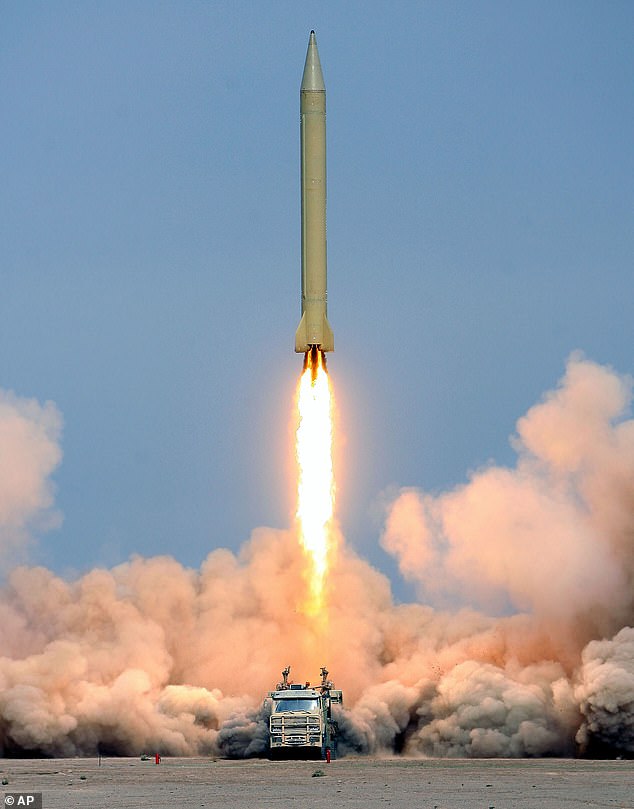
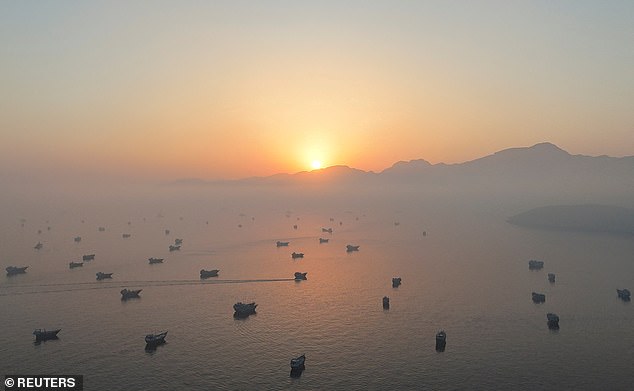
Video footage released by Iran's Revolutionary Guards on July 20 shows a missile launch from an undisclosed location toward US targets in the Gulf. Earlier drone views captured vessels in the Strait of Hormuz as seen from Musandam, Oman, on June 15. Following the outbreak of war in February, Iran showed its willingness to strike distant targets. In the weeks after the conflict began, Washington accused Tehran of firing multiple missiles at Diego Garcia, a joint US-UK military base in the Indian Ocean some 4,000km away. None of those projectiles reached their intended mark.
In March, Turkey reported NATO air defences intercepted several ballistic missiles launched from Iran. That same month, a drone struck the UK's air base in Akrotiri, Cyprus. Western officials believed at the time this was an Iranian drone fired by regional proxy forces rather than Tehran itself. According to insiders, the Iranian attack last month on the American base in Jordan, which killed three US service members, was the most precise long-range strike the regime has carried out. It demonstrated their ability to hit targets over longer distances.
'This was also a message to Europe: it can receive missiles, so it should know where it should stand in this war,' the first insider said. 'A very big mistake, such as hitting our infrastructure, could make the war go beyond the region and reach Europe.' The June memorandum of understanding between the US and Iran crumbled last month after Tehran attacked ships in the strait. Both sides accused each other of violating the interim deal. This led to rounds of tit-for-tat attacks and a renewed American blockade on Iranian ports.
Weeks of diplomatic efforts have failed to bring about a breakthrough to reopen the maritime chokepoint or resume negotiations over a broader deal to end the conflict. Trump has become increasingly frustrated over the stalemate. According to Kaushal, the regime could deploy heavier-duty missiles, but these would have to carry a lighter payload to travel far enough, meaning damage would be limited. He said 'it would be more fruitful for them to work through proxies', which include militant organisations such as Shia militias in Iraq, Hezbollah in Lebanon and the Houthis in Yemen.
Douglas Barrie at the International Institute for Strategic Studies noted: 'Those strikes they attempted on Diego Garcia this year are kind of indicative that they have got weapons with ranges greater than 2,000km'. He added: 'How many of these they actually hold is a different question, and whether or not they would be willing to use even a handful to make some kind of grandstanding statement is an open question.' The risk remains high. Missiles might fail or get shot down. So how would Iran benefit?
Range limits accuracy, a former expert admitted during recent talks on nuclear diplomacy. Some within Tehran think Washington will never honor its side of any final peace deal. Hardliners want the United States to pay a heavy price before they sign anything. Last week Supreme Leader Khamenei named Mohsen Rezaei as a top security official. Rezaei used to lead units inside the IRGC before this sudden promotion. Iranian analysts read this move as a signal that Mohammad Bagher Ghalibaf has been pushed aside for now. Ghalibaf remains the country's main negotiator, yet his chances of closing a lasting agreement look slim. An insider explained that Tehran is telling allies: if you cannot work with Ghalibaf, talk to Rezaei instead. The message is simple and sharp. Do not get angry because I am far more furious than you are. This shift signals deep trouble for any hope of a quick resolution.
Photos