Iran Parliament Approves New Law Targeting Universities and Media
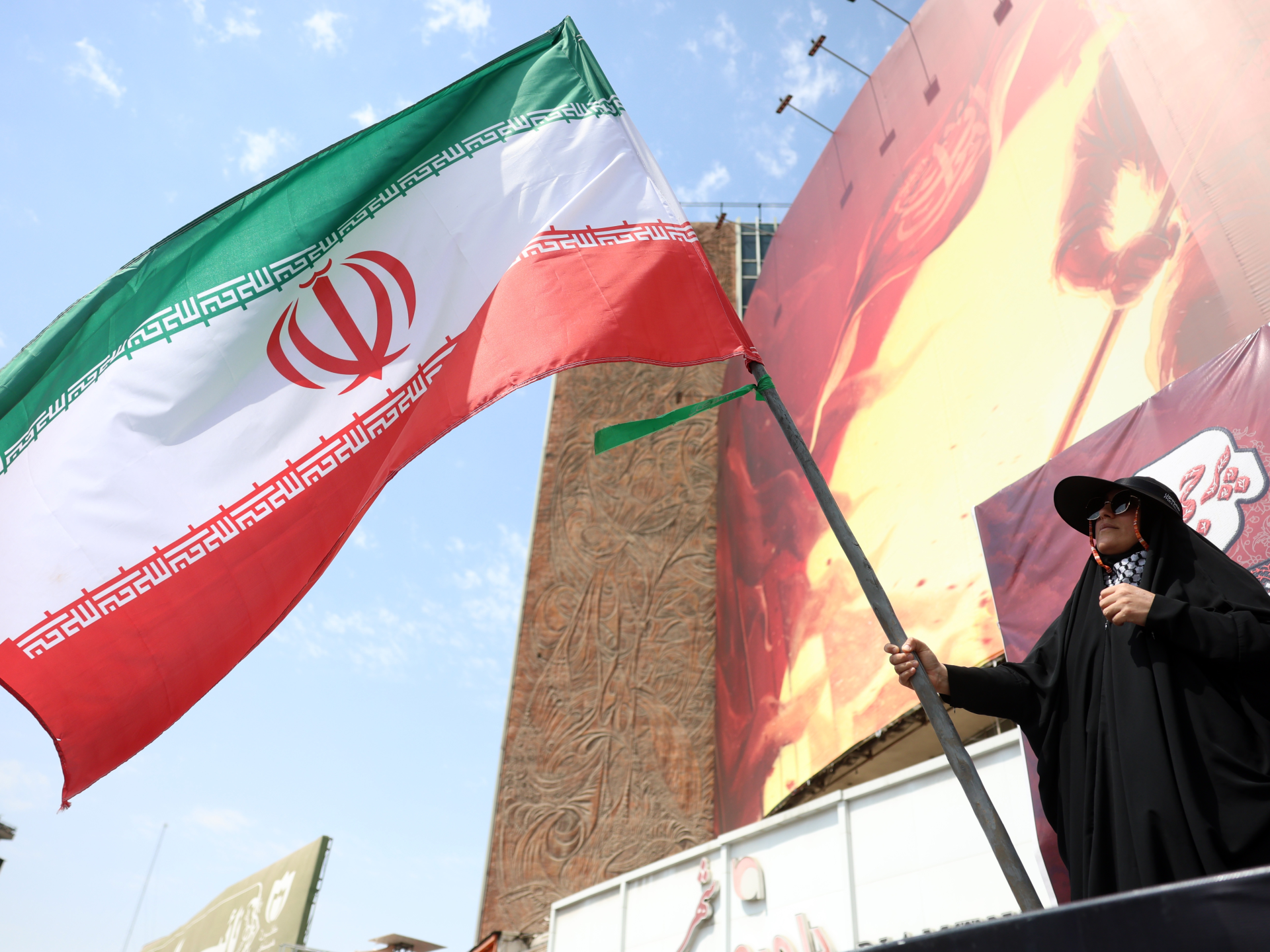
Tehran, Iran – The hardline-dominated parliament has given its stamp of approval to a sweeping plan designed to stop what officials call foreign infiltration. This legislation targets universities, embassies, and the media sector with particular intensity. Citizens and organizations would face new hurdles before contacting these institutions or speaking with international news outlets.
Supporters frame this move as a necessary step to bolster national security after last year's twelve-day war between Israel, Iran, and the United States. They argue it complements existing espionage laws passed in that turbulent period. However, the controversy exploded into public view just as the deadline for an agreement with Washington expired. Tensions are high with prospects of further military escalation looming over the current conflict. Ruhollah Nejabat, a hardline lawmaker from Shiraz, claimed the plan was actually approved earlier this year to counter enemy influence.
The remote parliamentary session on Sunday saw lawmakers finalize broad restrictions on foreign contact. These rules have alarmed ordinary citizens, independent experts, and even some government officials who worry about curbing personal freedoms. State-linked media first shared a nineteen-article draft before releasing an updated thirty-three-article version last Wednesday. The bill still requires final ratification by the parliament and the powerful twelve-member Guardian Council. That review process could stretch over weeks or months.
The new rules define foreign activity to include publishing, statistics sharing, scholarships, scientific cooperation, media work, research samples, money transfers, goods, services, legal advice, and artistic production. Authorities will group countries into three tiers based on scrutiny levels, with the US and Israel expected at the top. The Ministry of Interior plans a portal where all foreign-linked activities must register before proceeding. This includes exchanging reports or data. Foreign-supported workshops or classes could lead to prison time for organizers and punishment for participants. Non-governmental organizations, political parties, and associations must register their foreign funds, contracts, training programs, or benefits. Failure to comply risks dissolution of the group. Existing operations have three months to register once the portal launches.
Schools and universities must now teach "enemy infiltration" awareness and media literacy in their books and curricula. The education, science, and health ministries will draft these materials with input from the Ministry of Intelligence and the Supreme Council of the Cultural Revolution. One article explicitly bans any interaction or cooperation with foreign media without registration and prior permission. Unauthorised interviews with hostile outlets are also prohibited. This ban covers media owned, managed, or funded by foreign agents linked to countries in the top two tiers. The legislation represents a significant shift toward isolationism within Iran's academic and cultural circles.
Violators could face a prison term ranging from six months to several years. Anything deemed false information, analysis, or policy recommendations issued under known foreign direction that hurts Iran's security or shakes public trust carries a maximum penalty of 30 years in jail. Arts and culture do not escape this net either. Foreign-backed or directed films, music, books, and other works that question religious rules were specifically targeted in the proposed legislation. Any material depicting Iran negatively or promoting "anti-Islamic culture" could trigger fines, permanent professional bans, and production stoppages.
Activities of the armed forces and Intelligence Ministry, along with political officials' participation in relevant foreign activities, are exempt from registration on the portal. What has the reaction been? Speaking to state media on Wednesday, Majid Ansari, a religious leader serving as deputy for legal affairs for President Masoud Pezeshkian, said the government was in "explicit opposition" to the planned legislation.
Ansari argued the plan would impose "serious restrictions" on scientific work and obstruct Iranian academics' access to international colleagues. He also warned it would damage Iran's image in international media and "intensifying and accelerating brain drain". That issue has dogged Iran for years as many escape deteriorating conditions in search of a more stable life. Ansari added that the plan ran counter to the constitution as well as citizens' rights and personal freedoms. His main point was clear: Iran's vulnerability came not from the kinds of "minor and lower-level infiltration" such a law might address, but from "larger-scale issues" resulting from existing "points of infiltration" and inadequate oversight within the establishment.
Last month, Foreign Minister Abbas Araghchi told state-linked media that the security breach behind the assassination of former Supreme Leader Ayatollah Ali Khamenei and many other top officials in late February had probably not been resolved. He said the infiltration appeared to go beyond gathering intelligence and instead included the "steering [of] decision-making". Local media also extensively covered the proposed anti-infiltration plan. "The current plan smells of restrictions for media and reduced freedoms for the operations of the press, parties and even citizens instead of countering infiltrations by aliens," Nournews, an outlet affiliated with Iran's Supreme National Security Council, said. They added that the plan must be reconsidered.
However, the ultraconservative Keyhan newspaper, whose editor-in-chief was appointed by the supreme leader, strongly supported the plan and argued that only people with hidden foreign links should fear it. The Jam-e Jam newspaper, published by the Islamic Republic of Iran Broadcasting (IRIB) agency, also praised it as a "revolutionary resolution". Reformist media outlets were less convinced, with Shargh newspaper calling it a "law against communication". Speaking to the state-linked Iranian Labour News Agency (ILNA), legal expert and university professor Kambiz Norouzi said he was "baffled" by the plan. He noted it is "wholly inconsistent with the fundamental rights of the people".
Lawmakers have officially backed a raft of restrictive measures, yet He warns these general principles will likely shift significantly before final ratification. The core reality remains unchanged: parliament is moving forward with these limitations.
"This type of lawmaking, which is prevalent in the country, not only does not help law and order in running the affairs of the country, but will also propagate disorder," Norouzi said. His words suggest a deep unease within the legislative body regarding how these rules might actually function on the ground.
One medical researcher at the University of Tehran sees things differently. She intends to depart for a Western nation next year to complete her PhD and secure a more stable life. For now, she is not immediately panicked by the plan because many provisions are vague or too expansive to be feasible for nationwide enforcement.
"But this is another concerning precedent. Many people in student and academic groups that I follow are very worried and have a negative outlook about what comes next," she told Al Jazeera, asking to remain anonymous due to security concerns. Her hesitation masks a deeper anxiety shared by others in her circle.
The researcher also highlighted the risks for students studying abroad who may have opposed the Islamic Republic in rallies and demonstrations across Europe and around the world. If they return to Iran, these individuals could face serious security problems as a direct result of the proposed law. The threat is not just theoretical; it hangs over anyone with dissenting views living outside the country's borders.
The news has sparked massive attention on social media platforms. Users expressed their frustrations and concerns openly while also processing these developments through dark humour. This mix of fear and sarcasm paints a picture of a population under pressure but refusing to go silent.
"Today I downloaded and read an English-language article from one of the journals not approved by the Ministry of Intelligence. I hope Sepah isn't tracking me," one user wrote in a post referencing the Islamic Revolutionary Guard Corps. The IRGC runs the war effort, manages much of the economy, and exerts heavy influence over politics. That single sentence captures the daily tension: accessing forbidden information while wondering if the force watching everything has already seen your screen.
Photos