Iran Faces New UN Arms and Enrichment Bans Under Snapback Mechanism
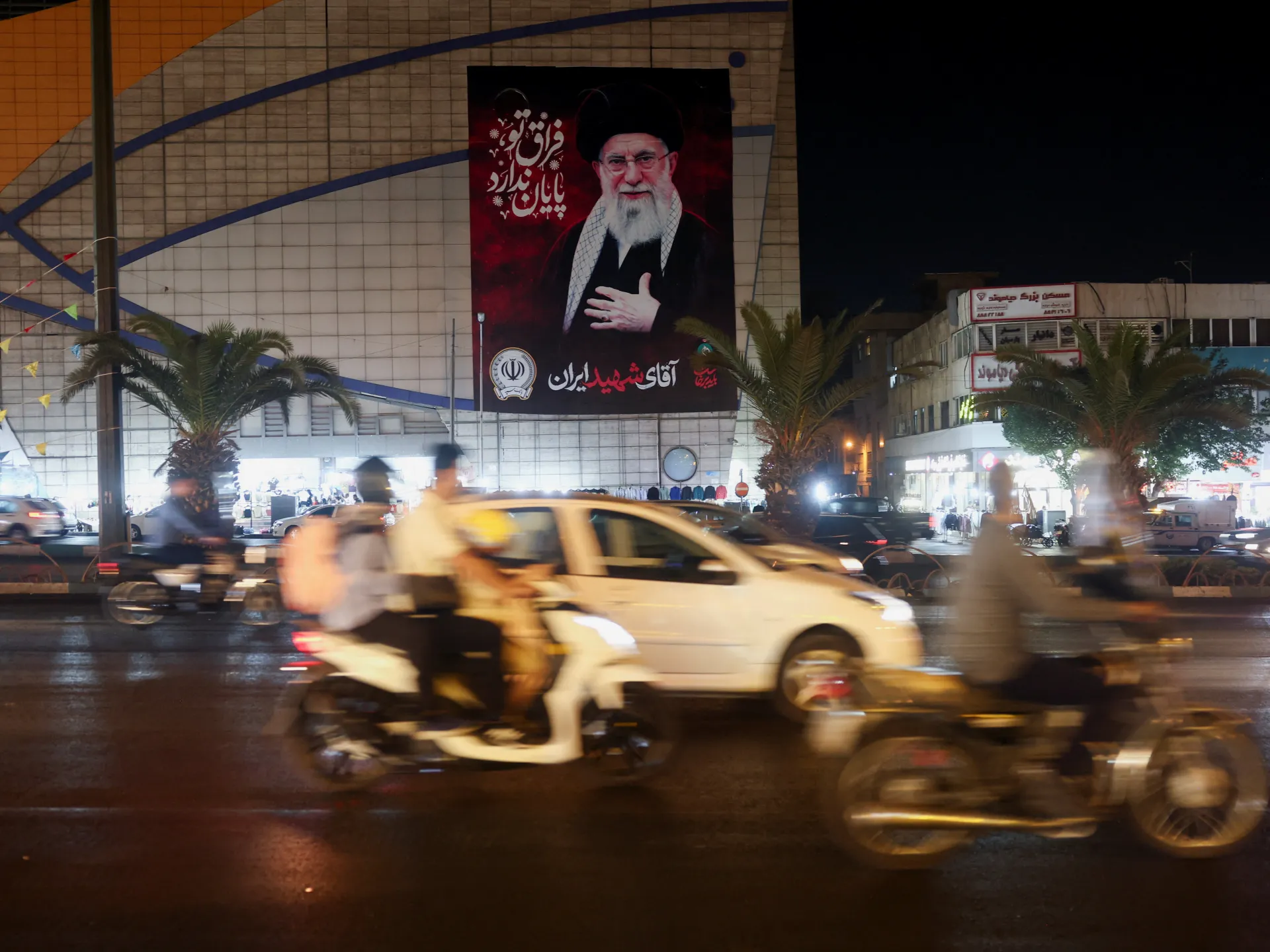
Iran stands today as one of the most isolated nations on Earth, crushed under a heavy weight of overlapping restrictions from Washington, Brussels, London, and New York. Since the 1979 revolution, the country has weathered relentless waves of punishment that have been lifted only to slam back down harder in recent months. The current situation involves a complex web targeting everything from oil tankers to banking accounts, extending all the way into nuclear facilities and missile sites.
A critical turning point arrived this September when France, Germany, and Britain activated the snapback mechanism under UN Security Council Resolution 2231. This move officially reinstituted six earlier resolutions that had previously hung over Iran like a storm cloud. The renewed measures now strictly forbid the transfer of conventional arms to or from Tehran while banning the sale of any equipment for uranium enrichment. Restrictions also cover ballistic missiles capable of delivering nuclear warheads and freeze assets linked to these banned programs. Dozens of specific individuals and entities face targeted penalties for their roles in these forbidden activities.
The United States has added its own layer of pressure this month as part of a broader effort to strangle the Iranian economy during an active war. The Treasury Department's Office of Foreign Assets Control is now enforcing rules that go far beyond traditional energy deals. Foreign companies doing business with Iran in sectors like digital assets, technology, gold, aviation, and shipping risk facing immediate American penalties. This strategy aims to cut Iran off entirely from the global financial system by punishing anyone who helps finance its trade or invest in its economy.
Sanctions act as a wall against specific sectors by locking down anyone doing business with them. The United States focuses heavily on human rights and terrorism issues. Individuals tied to abuses get hit hard. Members of the Islamic Revolutionary Guard Corps face designation as Specially Designated Global Terrorists directly. Billions of dollars in Iranian assets sit frozen inside US banks right now.
The European Union keeps its list moving, reviewing and adjusting rules regularly. Nuclear restrictions block nuclear technology and goods from reaching Iran's program. An oil embargo stops petroleum products from leaving or entering the region easily. Dual-use items face strict limits too since they can help military goals alongside civilian ones. Banks linked to proliferation or terror get cut off from transactions instantly. Shipping, aviation, petrochemicals, aluminum, and steel all fall under sectoral rules now. No arms transfers are allowed either.
The United Kingdom follows a path that largely mirrors the UN and EU standards. Nuclear exports face similar restrictions regarding technology and goods linked to proliferation efforts. Trade embargoes target Iranian oil and gas products specifically. Services related to ballistic missiles or nuclear programs get blocked from entering the market. Financial institutions see asset freezes on Iranian banks immediately. Specific entities tied to terror or nuclear work lose access to financial services entirely. Shipping and maritime sectors take a hit along with sensitive dual-use goods. Human rights abuses trigger travel bans and asset freezes against those involved in repression or censorship. An arms embargo stops all military equipment sales completely.
Australia, Canada, Japan, New Zealand, Norway, and Switzerland have stepped up too. These nations created their own versions of the above measures primarily focused on nuclear concerns and human rights issues. The pressure builds fast as more countries join the effort to limit Iran's reach.
Photos