Iran Conflict Shatters Iraq Economy as Oil Revenues Plummet
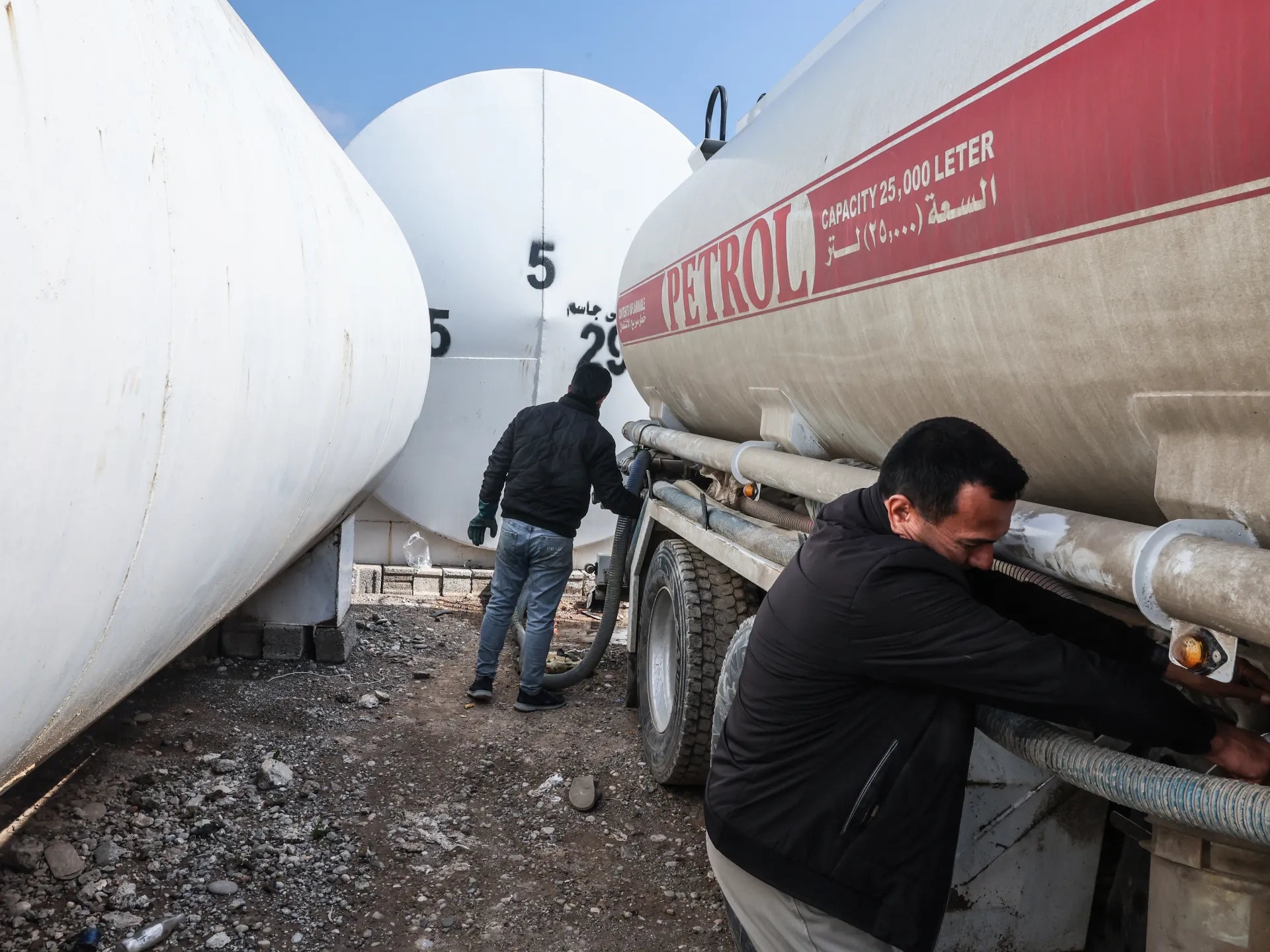
Iran's ongoing conflict is squeezing Iraq's economy as oil revenues plummet and prices climb. Disrupted exports and costlier imports now expose how deeply this nation relies on black gold and foreign goods.
Iraq stands as a state heavily dependent on imports, ranging from food and medicines to household appliances and raw materials for its industries. Its single major export remains oil, yet it sits atop such vast reserves that sales abroad usually offset import costs to ensure a positive trade surplus.
That balance has shattered since the US-Israeli war against Iran began in late February. The subsequent halt to free flow through the Strait of Hormuz blocks much of Iraq's global trade. Prime Minister Ali al-Zaidi now describes the situation as facing extraordinary economic challenges.
Al-Zaidi stated earlier this week that Iraq lost roughly $60bn in oil revenues due to the war. For a period, the nation could not export about 90 percent of its oil via usual Gulf routes. These passages have become central to negotiations between Washington and Tehran, with Iran linking free passage to an easing of US pressure and lifting of blockades on its ports.
That represents a massive blow because oil revenues account for more than 90 percent of Iraq's federal budget. The disruption to shipping routes has also battered supply chains by increasing transport times and costs for local businesses and consumers while reducing import volumes.
One supermarket owner in Baghdad, Alaa-Eddin Sulaibi, estimated that the percentage of imported goods sold at his store fell to 70 percent. This figure sits well below the 90 percent recorded before the war started.
"We have no choice but to sell local products, even if they are not of the same quality as imported ones," he said. He added that prices for imported goods rose between 25 and 30 percent.
"The reasons extend beyond disruptions in the Gulf," Sulaibi explained regarding the price hike. "Longer delivery times for goods arriving from China and higher fuel costs add to the burden." Trade with Turkiye faces particular pressure due to these rising transportation expenses.
Several merchants told Al Jazeera that goods imported from China now face significant delays. In some cases, shipments take up to three months to arrive because importers must take circuitous routes around the Strait of Hormuz or wait at this maritime chokepoint.
The crisis has put severe pressure on the Iraqi dinar, which dropped against the US dollar in a development that triggers deep concern among Iraqis. The dollar rose to about 1,600 Iraqi dinars on the parallel market last week before easing slightly to about 1,575 this week. Prior to the war, the rate hovered near 1,540 Iraqi dinars per dollar.
The widening gap between the official exchange rate of approximately 1,300 dinars and the parallel market rate creates uncertainty for businesses. This discrepancy adds a heavy financial burden on ordinary consumers who must navigate a volatile currency situation daily.
Ordinary citizens rarely see the official dollar rate, yet this gap lets some companies grab cheap cash while others are pushed into the parallel market where prices soar. Iraq faces another headache regarding how it gets dollars from its oil sales. After Saddam Hussein fell in 2003 following the US invasion, Baghdad moved its oil money to a special US account. The US president renews this transfer every year to protect Iraqi funds, but Washington keeps tight control over how that cash leaves the vault.
In April, the Trump administration stopped sending physical dollar bills from that account, switching to electronic transfers only. Reports link this halt to pressure on Iran-backed militias in Iraq. Physical shipments returned briefly in July, yet the US now accuses several private Iraqi banks of smuggling dollars to Iran. Local news says the Central Bank of Iraq struggles to give commercial banks enough dollars for imports, which could drive up local prices. The CBI denied any shortage in a Saturday statement, claiming it has enough foreign reserves to cover all trade demands. Officials blamed the rising parallel market rate on speculation and regional chaos used by bad actors trying to hurt Iraq's stability.
Financial strain is growing as war drags on and oil income drops. Mudher Mohammed Salih, the prime minister's financial adviser, told TV this week that reserves slid from roughly $106bn before the war to about $80bn by late August. Experts say this crisis highlights deep cracks in Iraq's economy, specifically its reliance on oil and imported goods. "This crisis has revealed the deep imbalances within the structure of the Iraqi economy, most notably the absence of safeguards capable of protecting the economy during times of turmoil," said Ziad al-Hashimi, a PhD researcher at Anglia Ruskin University. He noted that the government lacks real solutions to force necessary structural change.
"The crisis has also shown that the Iraqi government lacks genuine solutions or effective measures that could bring about the kind of structural change needed to overcome the situation," al-Hashimi added. The government's hands are tied for now. "All the Iraqi government can do are short-term measures that may have only limited the impact in the coming period, such as resorting to borrowing, which is not a genuine solution," he said. Real fixes take time to show results. They involve finding new buyers for oil abroad, managing public spending better to cut waste, and keeping up the fight against corruption.
Photos