Iran awaits US reply on Strait of Hormuz deal
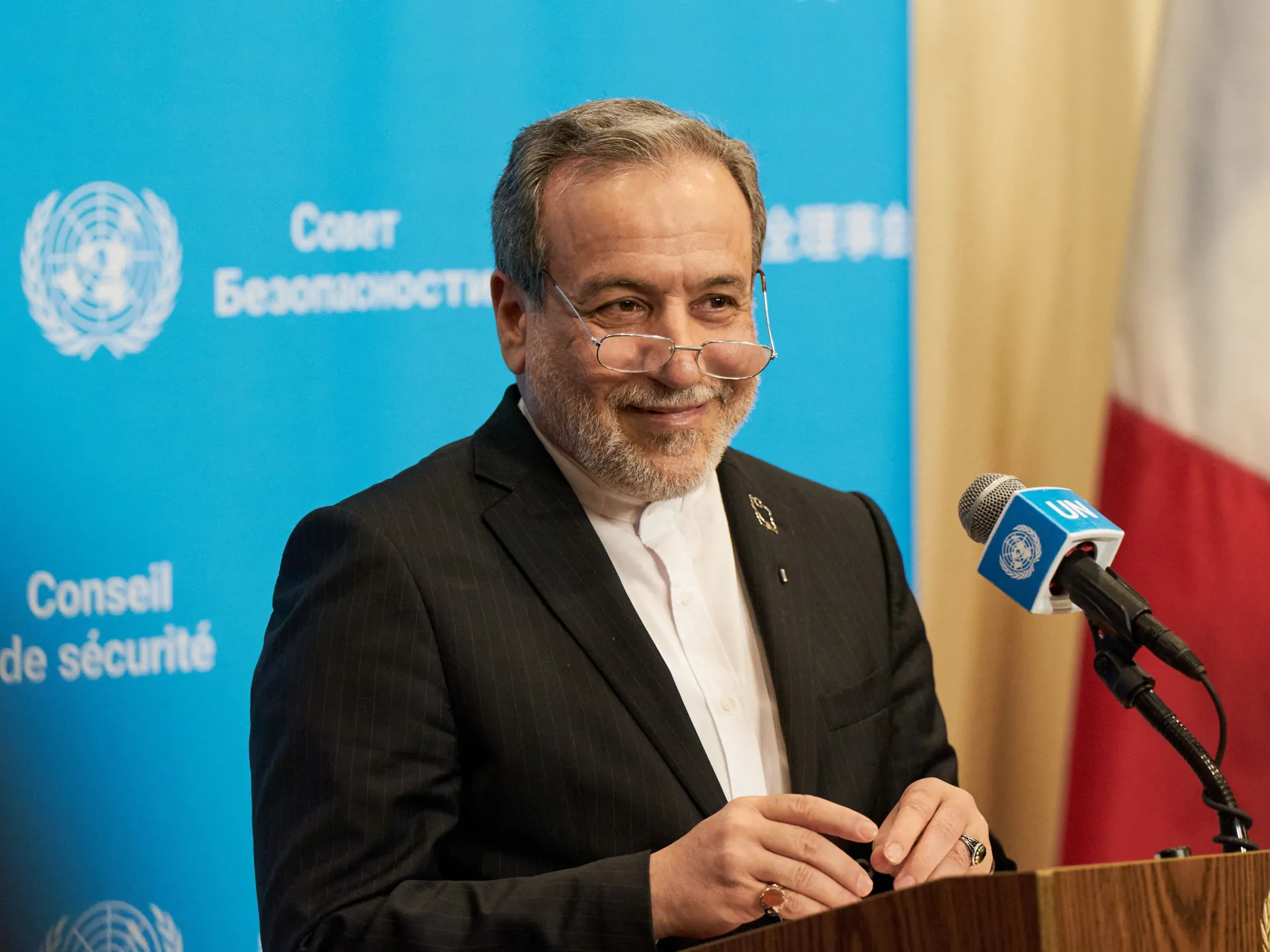
Tehran waits for a final word on its plan to open the Strait of Hormuz while Washington insists nuclear issues must come first before any deal can happen.
Iran's Foreign Minister Abbas Araghchi met with Qatari mediators in New York this week to discuss reopening the vital shipping lane. A senior US official told Al Jazeera that no agreement to end the war is possible without addressing Tehran's nuclear programme.
Araghchi spoke to Iranian state media on Monday. He said the Qataris would take the ideas discussed to Washington and he hoped for a reply by Tuesday.
"We talked about ideas and how to find solutions to fulfil Iran's conditions," Araghchi stated. "They had some ideas, and we had a discussion that they will also present to the American side."
Pressed on whether he would stay in New York for the answer, Araghchi said he would fly back to Tehran within hours.
"Whenever the Qataris have a response, they know how to get it to us," he added.
He framed these meetings as part of an ongoing message exchange through Qatari and Pakistani intermediaries. The mediator role has taken on "a more serious form" since Iran submitted its proposal.
The Iranian plan arrived at the UN General Assembly in New York City last Friday. It demands that the US release frozen funds, lift sanctions, and end its naval blockade of Iranian ports. Araghchi said these steps could be done in four or five days. That would allow the strait to reopen and let negotiations on a final deal start by day seven.
US President Donald Trump rejected the proposal on Saturday, calling it "unacceptable".
Despite the rejection, indirect talks continue according to a US official who spoke to Al Jazeera. The official described the discussions as "positive and constructive". However, he stressed that no agreement exists unless Iran's nuclear programme is addressed.
Trump remains willing to lift sanctions and release frozen funds in exchange for progress on the nuclear file.
"Iran has indicated they are flexible on the nuclear issues," the official said. "But the sides still remain apart on the timing of the commitments and who takes which steps first."
The official also expressed skepticism about Iran's reliability. Tehran fired on commercial vessels after breaking a June memorandum of understanding. That action violates their word, yet Iran denies the accusation. They say Washington broke its commitments by failing to stop Israeli attacks on Lebanon and by trying to force alternate shipping routes through the strait.
Iran closed the waterway shortly after the US and Israel launched their offensive on February 28. The strait once handled roughly 20 percent of global oil and gas supplies before the war began. Since then, Iranian attacks have sharply curtailed shipping and pushed oil prices above $100 a barrel.
Even so, crude exports from major Middle East producers rebounded in September to 12.8 million barrels per day. Reuters reported this data citing Kpler, a maritime intelligence firm. This marks the highest export level since the war started. It is still well below the 18.8 million barrels per day exported in February.
Some ships now use a US military-supervised route hugging the coast of Oman. They travel at night with tracking systems off and offload oil to tankers outside the strait.
Admiral Brad Cooper, leading US Central Command, dropped a bombshell on Saturday. American troops helped facilitate 2,000 transits in recent months alone. That volume translates to more than 1 billion barrels of oil moving through the region. The Pentagon has also locked down Iranian ports with a strict blockade. Washington is now threatening secondary sanctions against any airport or company doing business with Iranian airlines. The United Arab Emirates, Iraq, and Oman have already pulled their flights from those routes.
Trump told reporters on Monday that US officials had spoken to mediators but stood firm on one point: Washington would prevail. "We're going to win," he said. "It's going to go pretty quickly." He added that gas prices would drop once the war was won by American forces.
In Tehran, the mood was far less optimistic. Officials adopted a defiant stance against US pressure. Supreme Leader Mojtaba Khamenei sent a message marking the Iran-Iraq War and Israel's killing of Hezbollah leader Hassan Nasrallah in 2024. He declared that foreign domination is over. "Having suffered painful blows from our valiant combatants and the guardians of the Strait of Hormuz, they [the enemy] dare not venture beyond the Arabian Sea," Khamenei said in a message carried by Iranian media. "Whenever they have risked doing so, they have only inflicted harm upon themselves, and the time is fast approaching when the Arabian Sea, too, will be cleared of their presence."
Major-General Ali Abdollahi, the armed forces chief of staff, warned that Iran and its allies would deliver a decisive and devastating response to any threat against the nation. Rear Admiral Habibollah Sayyari insisted the Strait of Hormuz remains closed today. He stated Iranian forces are ready to stop enemy troops from entering the country.
Photos